Dental Crowns: Strong, Beautiful Protection for Damaged Teeth

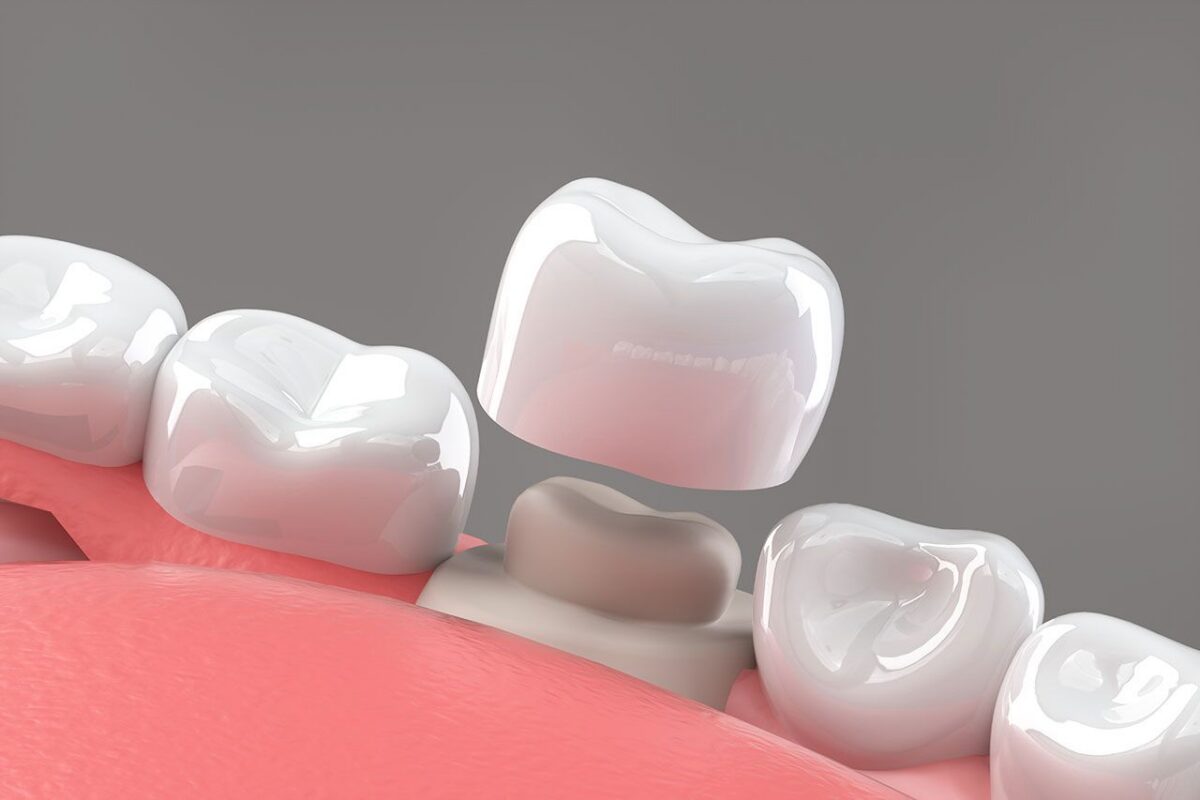
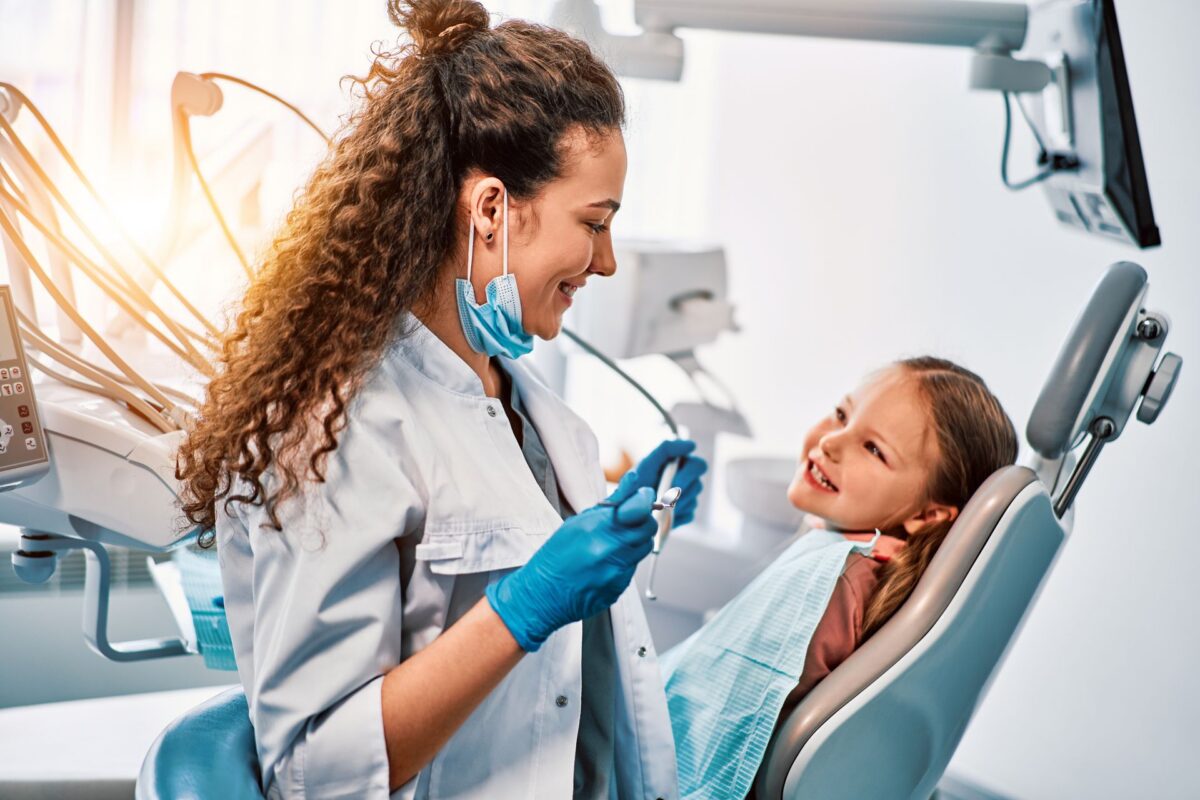
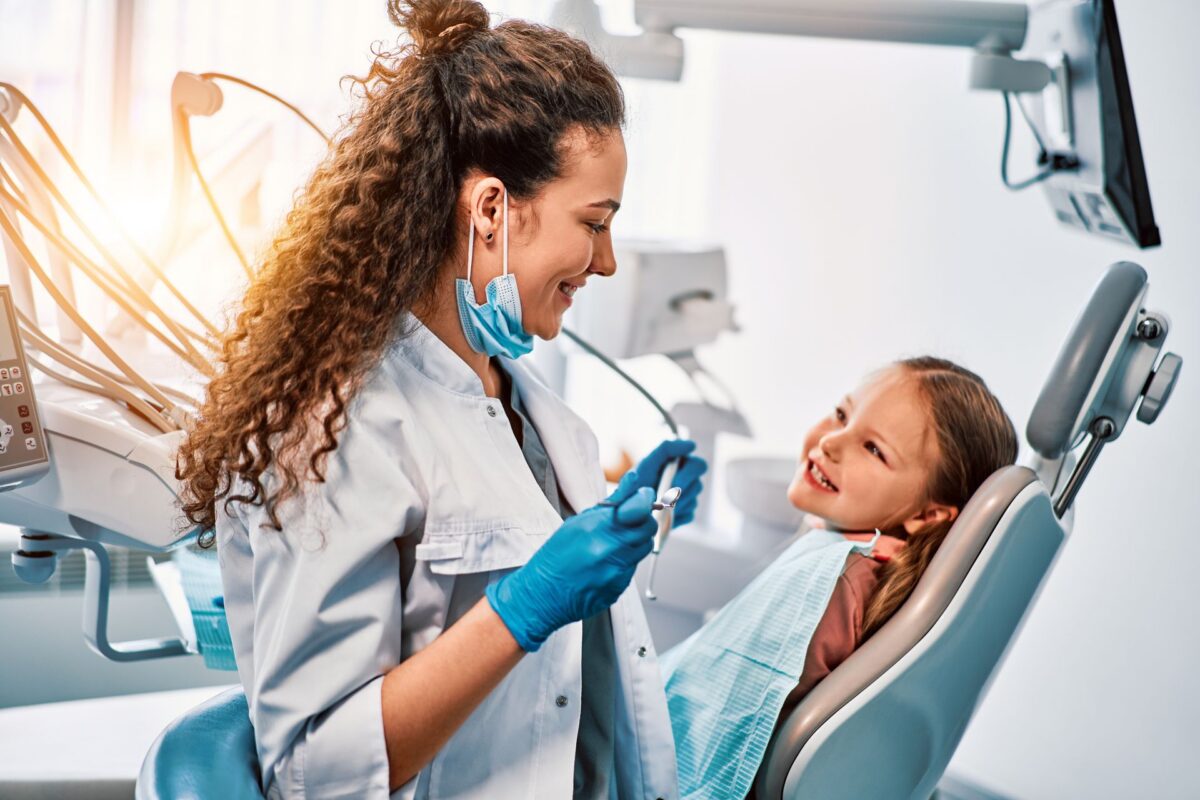
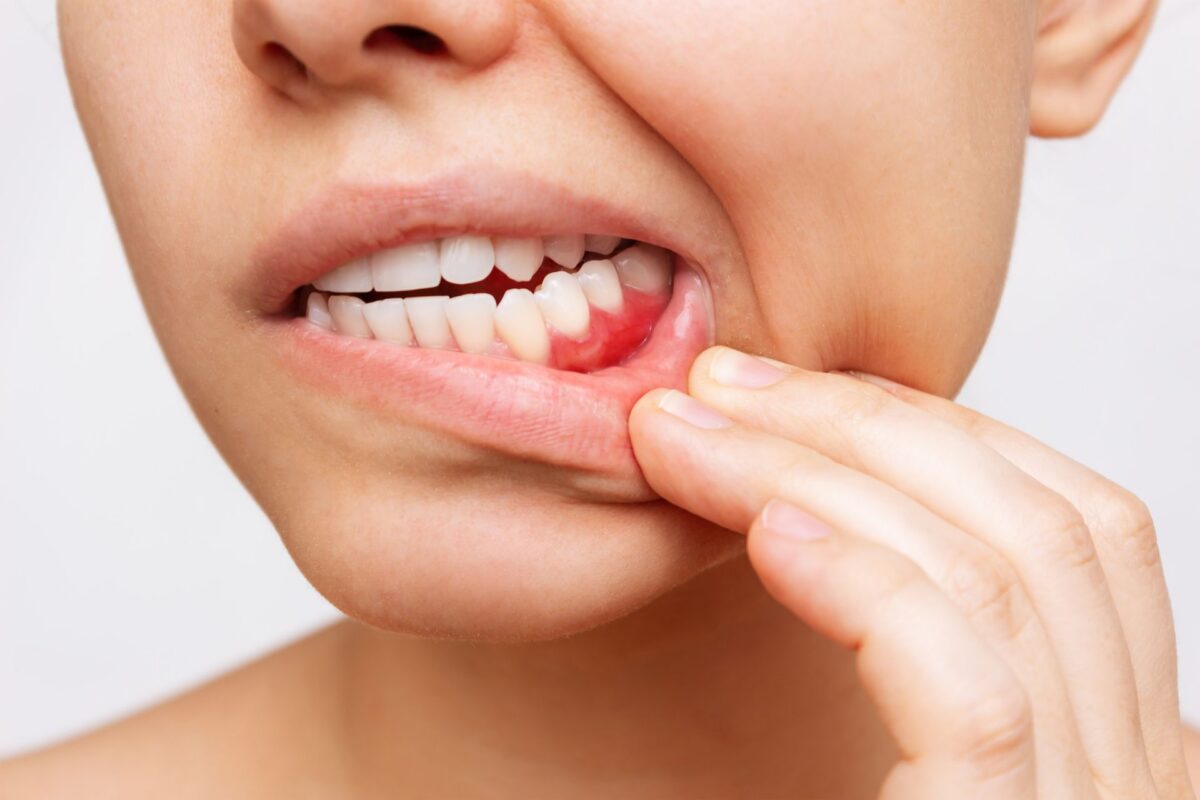
Teeth work hard—biting, chewing, and smiling through every season of life. When a tooth cracks, wears down, or needs extra support after a root canal, dental crowns step in like a protective helmet with a natural look. A crown covers the visible part of the tooth, restores shape and strength, and blends with surrounding teeth so you can eat, speak, and smile with confidence. At Aria Dental of Annapolis, dental crowns are planned with both durability and style in mind—because function matters, and so does the look you bring to every conversation.

When Do Dental Crowns Make Sense?


Dental crowns are recommended in several common situations:

  • Large cavities or failing fillings.


    When decay or an old filling leaves a tooth weak, dental crowns protect what’s left.


  • Cracked or worn teeth.


    Heavy bite forces, clenching, or years of use can create fractures or flatten cusps; a crown stabilizes the tooth.


  • After root canal therapy.


    Once infection is cleared, a crown reinforces the tooth so it can handle daily chewing.


  • Broken cusps or chips.


    When a chunk breaks away, dental crowns rebuild the original contour and function.


  • Cosmetic concerns.


    For teeth with deep discoloration or irregular shape, a crown can deliver a complete refresh when veneers or bonding aren’t ideal.


The goal is simple: preserve your natural tooth whenever possible and give it a long, useful life.

What Are Dental Crowns Made Of?


Materials have improved dramatically, and you have choices. Your dentist considers the tooth’s location, your bite, and your goals before recommending an option:

  • All-ceramic (zirconia or lithium disilicate).


    Strong, metal-free, and highly aesthetic. Great for front teeth and many back teeth.


  • Porcelain-fused-to-metal (PFM).


    A long-standing option that balances strength with a natural appearance.


  • Full metal (gold).


    Ultra-durable and gentle on opposing teeth; often chosen for molars where appearance is less critical.


Modern ceramics let many patients enjoy the best of both worlds—strength and beauty—without the gray line that older metal-based crowns sometimes showed near the gumline.

The Dental Crown Process, Step by Step


1) Diagnosis and planning.


A careful exam, photos, and sometimes a 3D scan help map what the tooth needs. If decay is present, it’s cleaned out first. The plan always centers on saving as much healthy structure as possible.


2) Shaping and impressions.


The tooth is shaped so the crown will seat snugly without adding bulk. Impressions or digital scans capture the exact contours for the lab to build your custom crown.


3) Temporary crown.


A temporary crown protects your tooth while the final one is crafted. It’s important to avoid sticky foods and chew gently on that side until the permanent crown is placed.


4) Try-in and cementation.


Your new crown is checked for fit, contact, and color. Small adjustments ensure a natural bite and seamless blend. Once everything looks and feels right, the crown is cemented and polished.


Will My Dental Crown Look Natural?


Yes—today’s materials and shade guides make it possible to match surrounding teeth closely. Layered ceramics can mimic enamel’s gentle translucency, and the shape can be sculpted to mirror your smile’s unique rhythm. For front teeth, photos and sometimes a custom shade appointment with the lab help ensure the best result. You shouldn’t notice your crown day to day; it should simply do its job and look like it belongs.

How Long Do Dental Crowns Last?


With good home care and regular cleanings, dental crowns often last 10–15 years, and many last longer. Longevity depends on habits—avoiding ice chewing, wearing a nightguard if you clench, and flossing around the margins. The tooth underneath still needs care; brushing and flossing keep the edges clean and the gums healthy.

Everyday Care Tips That Make a Difference


  • Brush twice daily


    with a soft brush; focus on the gumline around your crown.


  • Floss or use interdental cleaners


    to remove plaque where your brush can’t reach.


  • Skip hard objects


    like ice or popcorn kernels that can crack both natural teeth and crowns.


  • Wear a nightguard


    if you clench or grind; it protects your crown and your jaw joints.


  • Keep up with professional cleanings


    so small issues are caught early.


Dental Crowns vs. Onlays vs. Veneers


If the damage is moderate and limited to the chewing surface, an


onlay


may be an option. It’s a custom piece that fits like a puzzle over part of the tooth and preserves more natural structure.


Veneers


change the front surface for cosmetic reasons but don’t cover full chewing forces.


Dental crowns


offer full-coverage strength when structure is compromised or after root canal therapy. Your dentist will explain which choice guards the tooth best while meeting your goals.


Benefits of Dental Crowns (Based on Professional Sources)


Evidence-based dentistry supports the benefits of well-planned crowns:

  • Protection and longevity.


    Full-coverage restorations help prevent fractures in weakened teeth.


  • Improved chewing efficiency.


    Restoring proper height and shape supports comfortable function.


  • Aesthetic restoration.


    Modern ceramics blend with natural enamel for a confident smile.


  • Gum compatibility.


    Smooth margins and proper contours support healthy, comfortable tissue.


  • Versatility.


    Dental crowns solve both restorative and cosmetic challenges in a single procedure.


These themes consistently appear across clinical literature and professional guidelines: when a tooth is compromised, the right crown can extend its useful life dramatically.

Common Questions—Answered


“Will my tooth be sensitive?”


Some patients notice mild, temporary sensitivity after preparation or while wearing the temporary crown. This fades after the final crown is placed and the bite is balanced.


“What if my crown comes off?”


Crowns rarely come loose, but if they do, keep it safe and call the office. Often it can be re-cemented the same day after the area is cleaned.


“Can I whiten a crown?”


Whitening products affect natural enamel, not ceramic. If you plan to whiten, it’s best to do so before your crown is made so the final shade matches your brighter teeth.


“Is a crown always better than a filling?”


Not always. Small to moderate cavities do well with fillings or onlays. Crowns are best when the tooth needs full-coverage protection.


Annapolis Life, Annapolis Bite


Crab feasts, weekend sails, and busy commutes—your teeth do a lot in a week. Dental crowns let you enjoy it all without worrying about a weak tooth giving way. The right restoration balances durability with nuance, so your smile looks like you and works like you need it to.

Bringing Strength and Style Together


Dental crowns offer a dependable way to rebuild teeth that have been through a lot—decay, cracks, or past dental work. With today’s materials, you don’t have to choose between strong and beautiful; you can have both. The process is precise but straightforward, and the payoff is daily comfort plus a natural look in every photo.

A final note: if you’ve been told a tooth “might crack,” don’t wait. Protecting it early with dental crowns often means fewer appointments, less discomfort, and a better long-term outlook.


Ready for a tooth that feels solid again and looks like it belongs? Call


Aria Dental of Annapolis at 410-280-5370


or visit us at


1610 West St Ste 202, Annapolis, MD 21401


to


book an appointment


and find out whether dental crowns are the right fit for your smile.

Porcelain Veneers: A Natural-Looking Upgrade for Chips, Gaps, and Stains

A clean, confident smile doesn’t have to be complicated. When little things—tiny chips, stubborn stains, a small gap—keep drawing your eyes to the mirror, porcelain veneers offer a clear, elegant fix. Think of them like tailored covers for the front of your teeth: slim, durable shells crafted to match your ideal shade and shape. The result feels natural because it’s designed for you, not borrowed from a template. At Aria Dental of Annapolis, porcelain veneers are planned with precision so your smile looks natural, balanced, and fully your own from every angle.

What Are Porcelain Veneers?


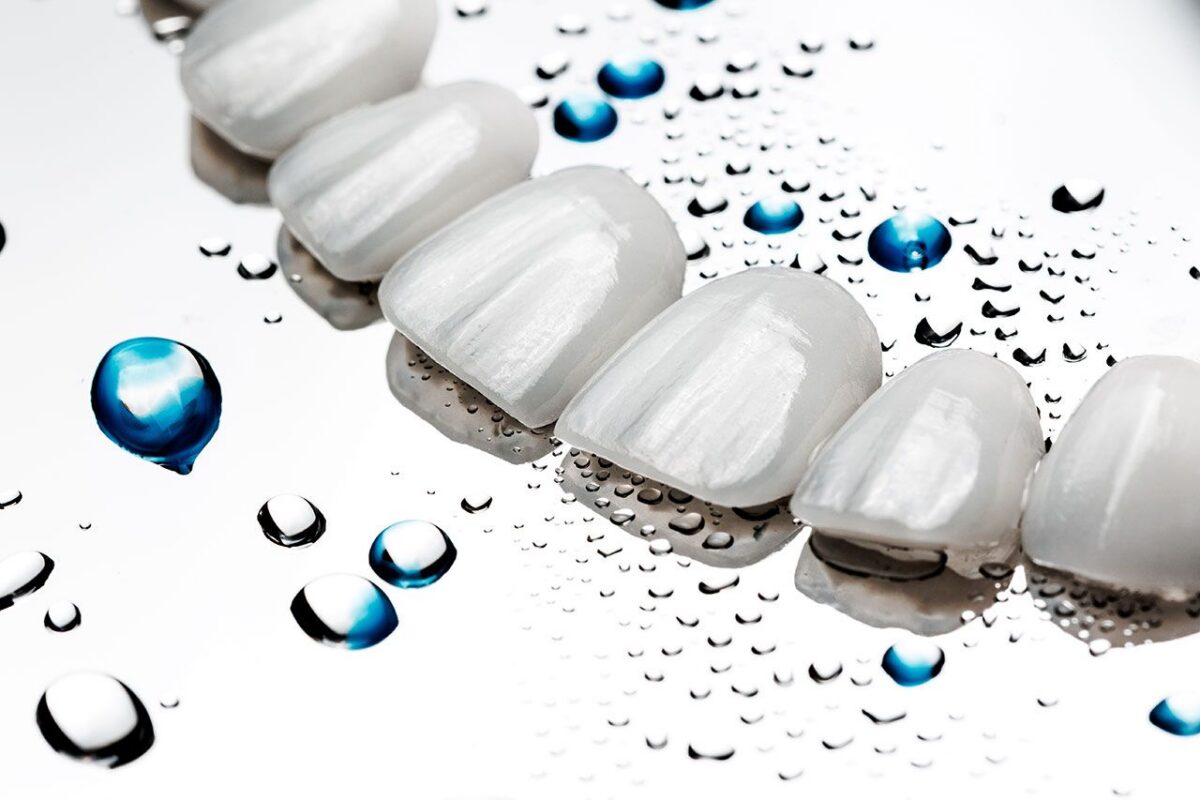
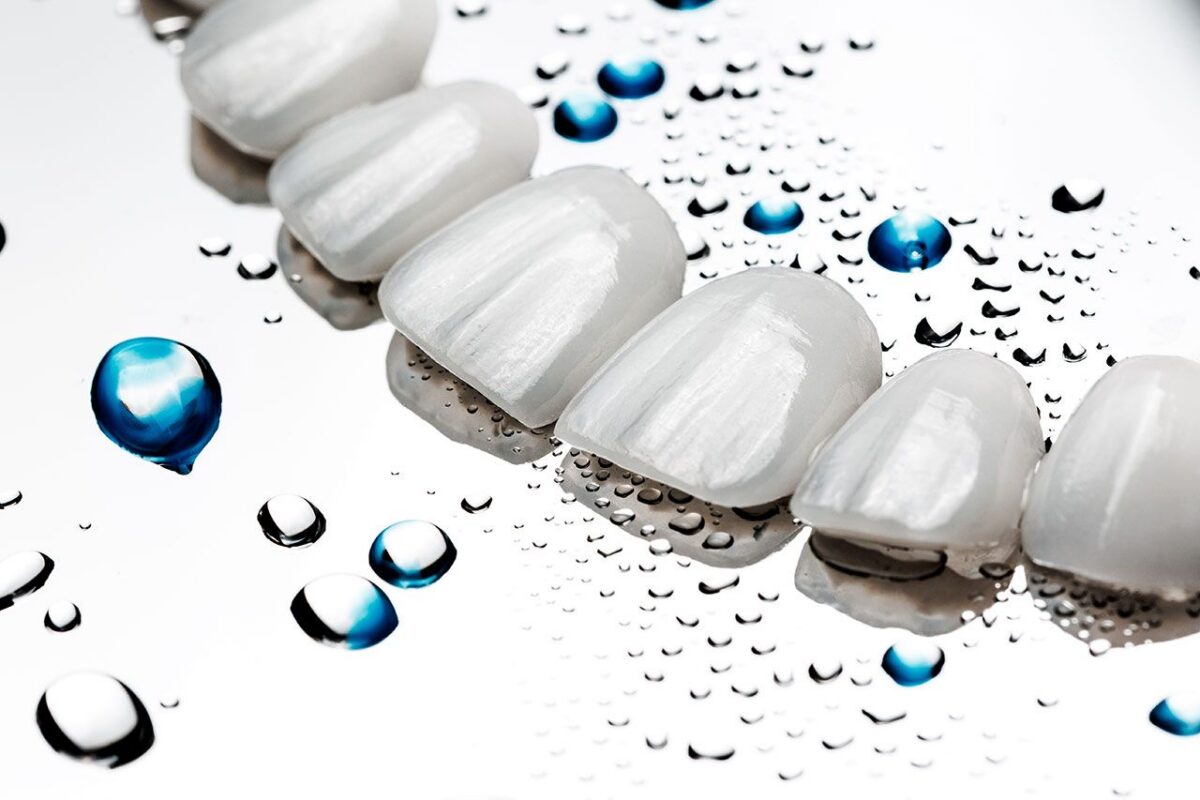
Porcelain veneers are thin, custom-made shells that bond to the front surface of teeth. They can refresh a single tooth or create a full “smile line” makeover. Because porcelain reflects light like natural enamel, the finished look is bright but believable. Patients choose porcelain veneers to address several concerns at once—color, shape, size, minor misalignment, or uneven edges—without months of orthodontics or multiple separate procedures.

You’ll hear that porcelain veneers are conservative, and that’s true. Only a small amount of enamel is shaped to make room for each veneer so it sits flush, not bulky. The amount removed depends on your goals; sometimes, minimal-prep or no-prep designs are possible. Your dentist will review options with photos and mock-ups so you can see what suits you best.

Who’s a Good Candidate?


Most healthy adults make great candidates for porcelain veneers. Ideal candidates share a few basics: stable gums, healthy tooth structure, and clear goals. If you grind your teeth, play contact sports, or have untreated cavities, your dentist will map out solutions before moving ahead. Small alignment issues can often be disguised with veneers, but more serious crowding may benefit from orthodontics first. That’s the beauty of a custom plan—your path follows your needs, not the other way around.

The Step-by-Step Process


1) Consultation and design.


We start with a conversation. What do you like about your smile? What would you change? Photos, scans, and shade guides help build a shared picture. Because porcelain veneers are personalized, this design phase is where your vision becomes real.


2) Preparation and temporaries.


A paper-thin layer of enamel is shaped so each veneer fits perfectly. Impressions or digital scans are taken, and temporary veneers protect your teeth while the lab crafts the final set. Temporaries are a great preview; you can check length, contour, and color in everyday light.


3) Try-in and bonding.


When your porcelain veneers arrive, we try them in first. You’ll see the shape and shade in a mirror, and adjustments can be made. Then the veneers are bonded with strong dental cement, cured, and polished. You leave the same day with your new smile.


Porcelain Veneers vs. Whitening or Bonding


Teeth whitening brightens natural enamel, but it won’t change shape or cover deep internal stains. Composite bonding can fix a chip or add contour, though it may stain faster and isn’t as glass-like as porcelain. Porcelain veneers do several things at once—lighten, lengthen, straighten the appearance of edges—while staying color-stable. If you want durable, camera-ready symmetry, porcelain veneers are the all-in-one solution.

How Long Do Porcelain Veneers Last?


With proper care, porcelain veneers often last 10–15 years or more. Longevity depends on everyday habits: wearing a nightguard if you clench, avoiding hard chewing on ice or pens, and keeping up with cleanings. The porcelain itself is strong, and the bond to your enamel is secure. If a veneer ever chips, it can often be repaired or replaced without affecting neighboring teeth.

Everyday Comfort and Care


Porcelain veneers should feel like your own teeth—just smoother and more uniform. Brushing twice daily with a soft brush, flossing, and using non-abrasive toothpaste will keep the edges pristine. Most people eat normally, including apples and crusty bread, once they’ve settled in. If you grind at night, a slim guard protects your investment and your jaw joints, too. Regular checkups help ensure your bite stays balanced and your veneers look their best year after year.

Benefits of Porcelain Veneers (Based on Professional Sources)


Dental organizations and cosmetic dentistry literature point to several well-documented benefits when porcelain veneers are planned and placed correctly:

  • Natural translucency and color stability.


    Porcelain mimics enamel and resists stains from coffee, tea, and wine.


  • Minimal tooth alteration.


    Modern techniques keep enamel removal conservative, preserving healthy tooth structure.


  • Predictable aesthetics.


    Digital smile design and wax-ups preview length and contours before final bonding.


  • Durability.


    Porcelain veneers maintain their gloss and strength with routine home care and professional cleanings.


  • Gingival health.


    Well-contoured margins are gentle to the gums, supporting comfortable, healthy tissue.


These points reflect what professional sources consistently describe: veneers deliver esthetics with function when case selection and technique are sound.

Common Myths—Cleared Up


“Veneers look fake.”


Not when they’re customized. The shade can include subtle gradations and texture to avoid a one-note, opaque look.


“They’re high-maintenance.”


Daily brushing, flossing, and routine visits are enough for most people. If you care for porcelain veneers like natural teeth, they’ll reward you with long-term shine.


“They damage your teeth.”


Preparing enamel is precise and conservative. In many cases, the amount removed is comparable to the thickness of a contact lens.


“They’re only for celebrities.”


Veneers are a practical choice for teachers, nurses, business owners—anyone who wants an efficient path to a confident smile.


What About Cost and Alternatives?


Pricing varies with the number of teeth treated, the complexity of the case, and the materials used. Your dentist will review a clear plan so you can decide at your own pace. If porcelain veneers aren’t the right fit, alternatives include whitening, orthodontics, or selective bonding to refine specific edges. Sometimes, a staged plan blends these options over time—start with whitening, refine with bonding, and add veneers only where needed.

Smile Design Tips You’ll Actually Use


A few simple ideas can help you choose a look you’ll love long-term:

  • Think proportion.


    The central incisors set the tone. Their length and width guide the rest of the smile.


  • Honor your face.


    A slightly rounded edge can soften sharp features; a straighter edge can sharpen a soft profile.


  • Keep it timeless.


    Trending ultrabright shades look eye-catching but may not suit your skin tone. Aim for believable brightness.


  • Try the preview.


    Wear your temporaries in everyday light, not just in the mirror under bathroom bulbs. Note what you love—and what you’d tweak.


The Annapolis Advantage


Choosing porcelain veneers at a trusted local practice means you have a team who understands your community, your lifestyle, and your goals. Morning coffee at City Dock? Date nights on Main Street? Your smile should feel at home in every setting. At Aria Dental of Annapolis, technology and artistry meet: digital scans, precise lab partnerships, and a calm chairside experience from start to finish.


Porcelain veneers offer a straightforward path to a smile that fits you—polished, balanced, and bright without looking overdone. They’re strong enough for daily life and refined enough for every close-up moment. When details matter, customization makes all the difference, from shade and shape to how your teeth reflect the light.


If you’re ready to see how porcelain veneers could change the way you feel about your smile, reach out to the team that treats precision like an art form. Call


Aria Dental of Annapolis at 410-280-5370


or visit us at


1610 West St Ste 202, Annapolis, MD 21401


to


schedule a consultation


and map a smile design that’s unmistakably you.


Porcelain Veneers: A Natural-Looking Upgrade for Chips, Gaps, and Stains

A clean, confident smile doesn’t have to be complicated. When little things—tiny chips, stubborn stains, a small gap—keep drawing your eyes to the mirror, porcelain veneers offer a clear, elegant fix. Think of them like tailored covers for the front of your teeth: slim, durable shells crafted to match your ideal shade and shape. The result feels natural because it’s designed for you, not borrowed from a template. At Aria Dental of Annapolis, porcelain veneers are planned with precision so your smile looks natural, balanced, and fully your own from every angle.

What Are Porcelain Veneers?


Porcelain veneers are thin, custom-made shells that bond to the front surface of teeth. They can refresh a single tooth or create a full “smile line” makeover. Because porcelain reflects light like natural enamel, the finished look is bright but believable. Patients choose porcelain veneers to address several concerns at once—color, shape, size, minor misalignment, or uneven edges—without months of orthodontics or multiple separate procedures.

You’ll hear that porcelain veneers are conservative, and that’s true. Only a small amount of enamel is shaped to make room for each veneer so it sits flush, not bulky. The amount removed depends on your goals; sometimes, minimal-prep or no-prep designs are possible. Your dentist will review options with photos and mock-ups so you can see what suits you best.

Who’s a Good Candidate?


Most healthy adults make great candidates for porcelain veneers. Ideal candidates share a few basics: stable gums, healthy tooth structure, and clear goals. If you grind your teeth, play contact sports, or have untreated cavities, your dentist will map out solutions before moving ahead. Small alignment issues can often be disguised with veneers, but more serious crowding may benefit from orthodontics first. That’s the beauty of a custom plan—your path follows your needs, not the other way around.

The Step-by-Step Process


1) Consultation and design.


We start with a conversation. What do you like about your smile? What would you change? Photos, scans, and shade guides help build a shared picture. Because porcelain veneers are personalized, this design phase is where your vision becomes real.


2) Preparation and temporaries.


A paper-thin layer of enamel is shaped so each veneer fits perfectly. Impressions or digital scans are taken, and temporary veneers protect your teeth while the lab crafts the final set. Temporaries are a great preview; you can check length, contour, and color in everyday light.


3) Try-in and bonding.


When your porcelain veneers arrive, we try them in first. You’ll see the shape and shade in a mirror, and adjustments can be made. Then the veneers are bonded with strong dental cement, cured, and polished. You leave the same day with your new smile.


Porcelain Veneers vs. Whitening or Bonding


Teeth whitening brightens natural enamel, but it won’t change shape or cover deep internal stains. Composite bonding can fix a chip or add contour, though it may stain faster and isn’t as glass-like as porcelain. Porcelain veneers do several things at once—lighten, lengthen, straighten the appearance of edges—while staying color-stable. If you want durable, camera-ready symmetry, porcelain veneers are the all-in-one solution.

How Long Do Porcelain Veneers Last?


With proper care, porcelain veneers often last 10–15 years or more. Longevity depends on everyday habits: wearing a nightguard if you clench, avoiding hard chewing on ice or pens, and keeping up with cleanings. The porcelain itself is strong, and the bond to your enamel is secure. If a veneer ever chips, it can often be repaired or replaced without affecting neighboring teeth.

Everyday Comfort and Care


Porcelain veneers should feel like your own teeth—just smoother and more uniform. Brushing twice daily with a soft brush, flossing, and using non-abrasive toothpaste will keep the edges pristine. Most people eat normally, including apples and crusty bread, once they’ve settled in. If you grind at night, a slim guard protects your investment and your jaw joints, too. Regular checkups help ensure your bite stays balanced and your veneers look their best year after year.

Benefits of Porcelain Veneers (Based on Professional Sources)


Dental organizations and cosmetic dentistry literature point to several well-documented benefits when porcelain veneers are planned and placed correctly:

  • Natural translucency and color stability.


    Porcelain mimics enamel and resists stains from coffee, tea, and wine.


  • Minimal tooth alteration.


    Modern techniques keep enamel removal conservative, preserving healthy tooth structure.


  • Predictable aesthetics.


    Digital smile design and wax-ups preview length and contours before final bonding.


  • Durability.


    Porcelain veneers maintain their gloss and strength with routine home care and professional cleanings.


  • Gingival health.


    Well-contoured margins are gentle to the gums, supporting comfortable, healthy tissue.


These points reflect what professional sources consistently describe: veneers deliver esthetics with function when case selection and technique are sound.

Common Myths—Cleared Up


“Veneers look fake.”


Not when they’re customized. The shade can include subtle gradations and texture to avoid a one-note, opaque look.


“They’re high-maintenance.”


Daily brushing, flossing, and routine visits are enough for most people. If you care for porcelain veneers like natural teeth, they’ll reward you with long-term shine.


“They damage your teeth.”


Preparing enamel is precise and conservative. In many cases, the amount removed is comparable to the thickness of a contact lens.


“They’re only for celebrities.”


Veneers are a practical choice for teachers, nurses, business owners—anyone who wants an efficient path to a confident smile.


What About Cost and Alternatives?


Pricing varies with the number of teeth treated, the complexity of the case, and the materials used. Your dentist will review a clear plan so you can decide at your own pace. If porcelain veneers aren’t the right fit, alternatives include whitening, orthodontics, or selective bonding to refine specific edges. Sometimes, a staged plan blends these options over time—start with whitening, refine with bonding, and add veneers only where needed.

Smile Design Tips You’ll Actually Use


A few simple ideas can help you choose a look you’ll love long-term:

  • Think proportion.


    The central incisors set the tone. Their length and width guide the rest of the smile.


  • Honor your face.


    A slightly rounded edge can soften sharp features; a straighter edge can sharpen a soft profile.


  • Keep it timeless.


    Trending ultrabright shades look eye-catching but may not suit your skin tone. Aim for believable brightness.


  • Try the preview.


    Wear your temporaries in everyday light, not just in the mirror under bathroom bulbs. Note what you love—and what you’d tweak.


The Annapolis Advantage


Choosing porcelain veneers at a trusted local practice means you have a team who understands your community, your lifestyle, and your goals. Morning coffee at City Dock? Date nights on Main Street? Your smile should feel at home in every setting. At Aria Dental of Annapolis, technology and artistry meet: digital scans, precise lab partnerships, and a calm chairside experience from start to finish.


Porcelain veneers offer a straightforward path to a smile that fits you—polished, balanced, and bright without looking overdone. They’re strong enough for daily life and refined enough for every close-up moment. When details matter, customization makes all the difference, from shade and shape to how your teeth reflect the light.


If you’re ready to see how porcelain veneers could change the way you feel about your smile, reach out to the team that treats precision like an art form. Call


Aria Dental of Annapolis at 410-280-5370


or visit us at


1610 West St Ste 202, Annapolis, MD 21401


to


schedule a consultation


and map a smile design that’s unmistakably you.


Teeth Whitening: Brighten Your Smile with Confidence

Have you ever noticed how a bright smile can completely change the way someone looks? It’s not just about appearance—it’s about confidence, energy, and the way you carry yourself in every conversation. Teeth whitening is one of the most popular cosmetic dental treatments because it provides fast, noticeable results that patients love. At Aria Dental of Annapolis, professional teeth whitening treatments are designed to help you achieve the radiant smile you’ve always wanted in a safe, effective, and lasting way.

Why Do Teeth Lose Their Sparkle?


It’s perfectly normal for teeth to darken over time. Everyday habits, diet, and natural aging all play a role. Common culprits include:

  • Coffee, tea, and wine


    – These beverages contain pigments that latch onto tooth enamel.


  • Tobacco use


    – Nicotine and tar cause yellow or brown staining.


  • Foods with strong color


    – Berries, tomato sauces, and even soy sauce can contribute to discoloration.


  • Aging


    – As enamel thins, the yellow dentin underneath becomes more visible.


While brushing and flossing are essential for oral health, they can’t completely remove deep stains. That’s where professional teeth whitening comes in.

The Professional Advantage


You may have seen over-the-counter whitening strips and toothpastes at the store. While convenient, these options are often limited in strength and consistency. Professional whitening treatments at Aria Dental of Annapolis offer several distinct advantages:

  • Stronger whitening agents


    carefully applied under supervision.


  • Customized treatment


    based on your tooth shade, goals, and sensitivity.


  • Even results


    without patchy or streaked areas.


  • Faster transformation


    —most patients notice a difference after a single appointment.

Choosing a professional treatment means you’re not left guessing whether it will work. Instead, you get expert care with results that feel worth your time and investment.

Types of Whitening Available


Not every smile is the same, so whitening treatments are tailored to suit your needs. Options may include:

  • In-office whitening


    – Performed chairside, this delivers dramatic results in about an hour.


  • Take-home trays


    – Custom-fitted trays let you whiten gradually at home, with professional-strength gel.


  • Combination plans


    – Some patients benefit from both methods for maximum brightness and maintenance.


Your dentist will help determine which approach best fits your lifestyle and goals.

Benefits of Teeth Whitening (Based on Professional Sources)


The American Dental Association notes that cosmetic treatments such as teeth whitening can have both emotional and social benefits. A brighter smile often helps:

  • Boost self-esteem in professional and social settings.

  • Create a more youthful appearance.

  • Motivate better oral hygiene habits, as patients often take more pride in their smile afterward.

  • Provide safe, predictable results when performed under professional care.

Whitening is one of the least invasive cosmetic options available, making it an ideal first step for those looking to enhance their smile.

What to Expect During Treatment


If you’re choosing in-office whitening, here’s a quick overview of what happens:

  1. Preparation


    – Your gums and soft tissues are protected.


  2. Application


    – A whitening gel is applied to the teeth.


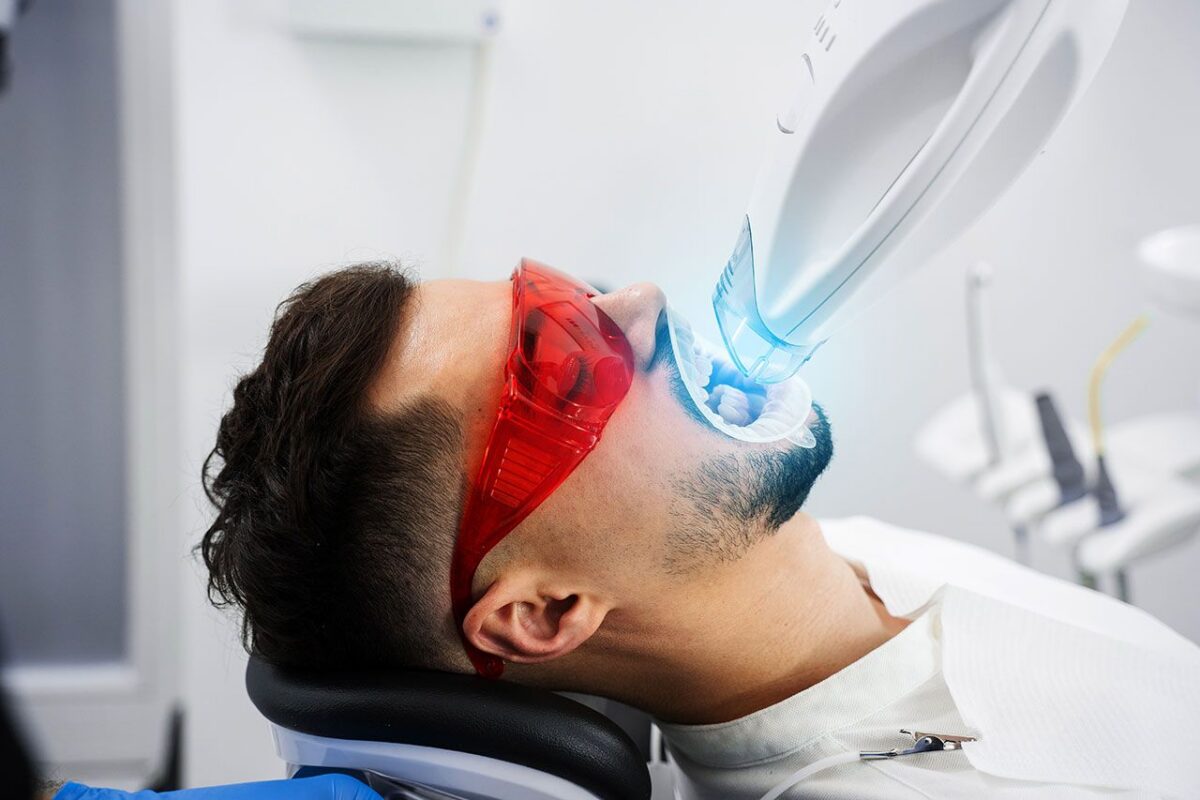
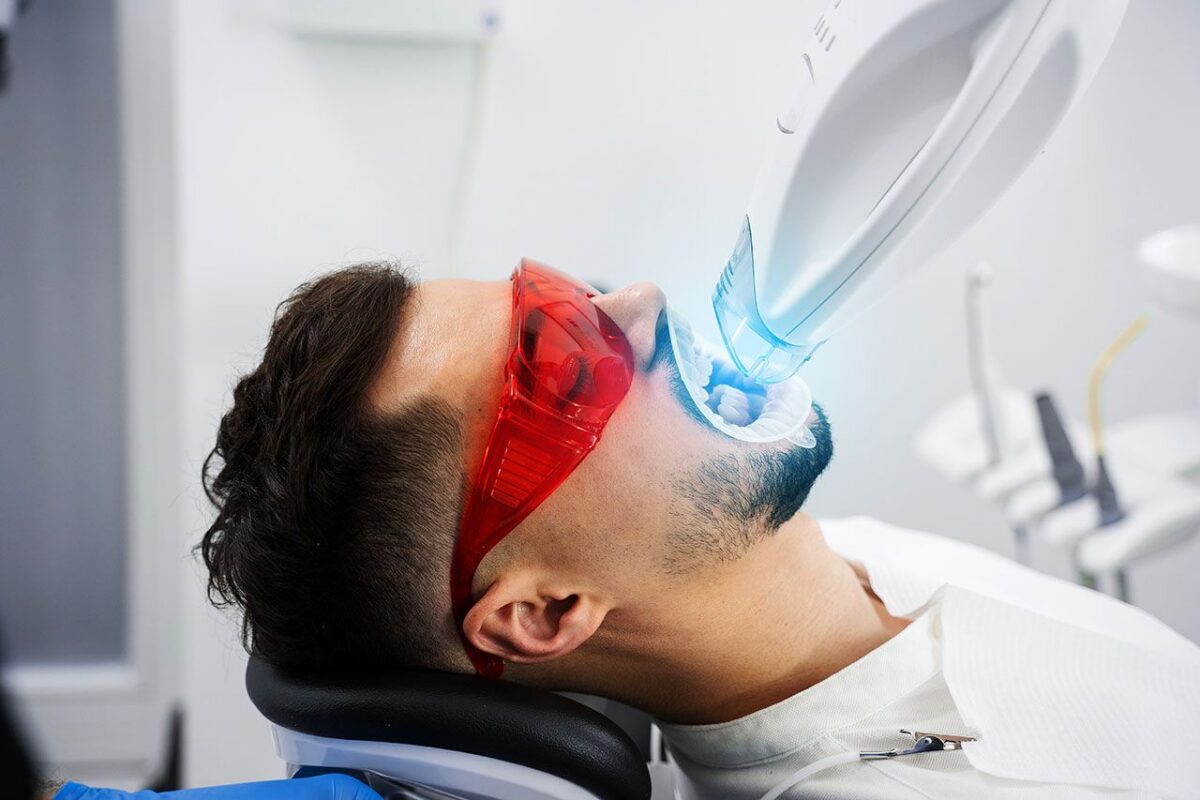
  3. Activation


    – In some cases, a special light may be used to enhance the process.


  4. Results


    – After several cycles, your teeth appear noticeably brighter.


The entire process usually takes about an hour. Many patients walk out the same day with a visibly refreshed smile.

Caring for Your Whitened Smile


Results don’t last forever without proper care, but they can be extended with a few habits:

  • Limit dark beverages or use a straw to minimize staining.

  • Brush twice daily and floss to prevent buildup.

  • Schedule routine cleanings every six months.

  • Use touch-up whitening trays as recommended by your dentist.

By keeping up with these steps, you’ll enjoy your brighter smile for months or even years.

Is Teeth Whitening Right for Everyone?


While most patients are good candidates, whitening may not be ideal for:

  • People with untreated cavities or gum disease.

  • Patients with intrinsic stains, such as discoloration from medications.

  • Those with dental restorations (crowns, veneers, or fillings), as these don’t whiten.

A dental consultation is the best way to find out whether whitening will achieve your goals or whether another cosmetic treatment might be better suited.

A Refreshing Boost for More Than Just Your Smile


The effects of teeth whitening go beyond the mirror. Patients often describe feeling more outgoing, enthusiastic in conversations, and even more photogenic. While the change is cosmetic, the confidence it brings can spill into every part of your life. Think of it like polishing a gem—the shine was always there; it just needed a little help to stand out.


Teeth whitening is one of the simplest, safest, and most effective ways to elevate your smile. Whether you’re preparing for a big event or simply want to feel more confident day to day, professional whitening can make that difference. With expert care and long-lasting results, your smile can once again reflect the brightness you feel inside.


Ready to give your smile the attention it deserves? Contact


Aria Dental of Annapolis at 410-280-5370


or visit us at


1610 West St Ste 202, Annapolis, MD 21401


to schedule your consultation and discover how professional teeth whitening can transform your confidence today.


Teeth Whitening: Brighten Your Smile with Confidence

Have you ever noticed how a bright smile can completely change the way someone looks? It’s not just about appearance—it’s about confidence, energy, and the way you carry yourself in every conversation. Teeth whitening is one of the most popular cosmetic dental treatments because it provides fast, noticeable results that patients love. At Aria Dental of Annapolis, professional teeth whitening treatments are designed to help you achieve the radiant smile you’ve always wanted in a safe, effective, and lasting way.

Why Do Teeth Lose Their Sparkle?


It’s perfectly normal for teeth to darken over time. Everyday habits, diet, and natural aging all play a role. Common culprits include:

  • Coffee, tea, and wine


    – These beverages contain pigments that latch onto tooth enamel.


  • Tobacco use


    – Nicotine and tar cause yellow or brown staining.


  • Foods with strong color


    – Berries, tomato sauces, and even soy sauce can contribute to discoloration.


  • Aging


    – As enamel thins, the yellow dentin underneath becomes more visible.


While brushing and flossing are essential for oral health, they can’t completely remove deep stains. That’s where professional teeth whitening comes in.

The Professional Advantage


You may have seen over-the-counter whitening strips and toothpastes at the store. While convenient, these options are often limited in strength and consistency. Professional whitening treatments at Aria Dental of Annapolis offer several distinct advantages:

  • Stronger whitening agents


    carefully applied under supervision.


  • Customized treatment


    based on your tooth shade, goals, and sensitivity.


  • Even results


    without patchy or streaked areas.


  • Faster transformation


    —most patients notice a difference after a single appointment.

Choosing a professional treatment means you’re not left guessing whether it will work. Instead, you get expert care with results that feel worth your time and investment.

Types of Whitening Available


Not every smile is the same, so whitening treatments are tailored to suit your needs. Options may include:

  • In-office whitening


    – Performed chairside, this delivers dramatic results in about an hour.


  • Take-home trays


    – Custom-fitted trays let you whiten gradually at home, with professional-strength gel.


  • Combination plans


    – Some patients benefit from both methods for maximum brightness and maintenance.


Your dentist will help determine which approach best fits your lifestyle and goals.

Benefits of Teeth Whitening (Based on Professional Sources)


The American Dental Association notes that cosmetic treatments such as teeth whitening can have both emotional and social benefits. A brighter smile often helps:

  • Boost self-esteem in professional and social settings.

  • Create a more youthful appearance.

  • Motivate better oral hygiene habits, as patients often take more pride in their smile afterward.

  • Provide safe, predictable results when performed under professional care.

Whitening is one of the least invasive cosmetic options available, making it an ideal first step for those looking to enhance their smile.

What to Expect During Treatment


If you’re choosing in-office whitening, here’s a quick overview of what happens:

  1. Preparation


    – Your gums and soft tissues are protected.


  2. Application


    – A whitening gel is applied to the teeth.


  3. Activation


    – In some cases, a special light may be used to enhance the process.


  4. Results


    – After several cycles, your teeth appear noticeably brighter.


The entire process usually takes about an hour. Many patients walk out the same day with a visibly refreshed smile.

Caring for Your Whitened Smile


Results don’t last forever without proper care, but they can be extended with a few habits:

  • Limit dark beverages or use a straw to minimize staining.

  • Brush twice daily and floss to prevent buildup.

  • Schedule routine cleanings every six months.

  • Use touch-up whitening trays as recommended by your dentist.

By keeping up with these steps, you’ll enjoy your brighter smile for months or even years.

Is Teeth Whitening Right for Everyone?


While most patients are good candidates, whitening may not be ideal for:

  • People with untreated cavities or gum disease.

  • Patients with intrinsic stains, such as discoloration from medications.

  • Those with dental restorations (crowns, veneers, or fillings), as these don’t whiten.

A dental consultation is the best way to find out whether whitening will achieve your goals or whether another cosmetic treatment might be better suited.

A Refreshing Boost for More Than Just Your Smile


The effects of teeth whitening go beyond the mirror. Patients often describe feeling more outgoing, enthusiastic in conversations, and even more photogenic. While the change is cosmetic, the confidence it brings can spill into every part of your life. Think of it like polishing a gem—the shine was always there; it just needed a little help to stand out.


Teeth whitening is one of the simplest, safest, and most effective ways to elevate your smile. Whether you’re preparing for a big event or simply want to feel more confident day to day, professional whitening can make that difference. With expert care and long-lasting results, your smile can once again reflect the brightness you feel inside.


Ready to give your smile the attention it deserves? Contact


Aria Dental of Annapolis at 410-280-5370


or visit us at


1610 West St Ste 202, Annapolis, MD 21401


to schedule your consultation and discover how professional teeth whitening can transform your confidence today.


Tooth Extraction: When It’s the Right Choice for a Healthier Smile

Nobody loves the idea of having a tooth pulled—but sometimes, it’s the most responsible decision you can make for your overall health.

The thought of a tooth extraction can sound intimidating. Maybe it brings up images of old-timey dental tools or pain-filled recovery days. But in truth, modern extractions are straightforward, safe, and often the key to stopping discomfort, infection, or further damage before it spirals into something worse.

So let’s set the record straight. Whether it’s a severely decayed molar, a problematic wisdom tooth, or an overcrowding issue, extractions aren’t about giving up on a tooth—they’re about protecting your smile’s future.

What Is a Tooth Extraction?


A tooth extraction is exactly what it sounds like: the removal of a tooth from its socket in the jawbone. It’s one of the most common procedures performed in dental offices, and despite its reputation, it’s typically quick and minimally invasive.

There are two main types:

  • Simple Extractions


    – Performed on visible teeth using forceps and local anesthesia.


  • Surgical Extractions


    – Required when a tooth is broken, impacted (like wisdom teeth), or hasn’t fully erupted. This involves making a small incision in the gum to remove the tooth.


Your dentist or oral surgeon will determine which approach fits your situation based on x-rays and an exam.

When Is Tooth Extraction Necessary?


It’s not the first resort, but sometimes, it’s the best one. A dentist will always try to save a tooth when possible—using fillings, crowns, or root canals—but some situations make extraction the healthiest choice.

Here are the most common reasons:

  • Severe Tooth Decay


    : When a cavity has destroyed too much of the tooth structure or caused an untreatable infection.

  • Advanced Gum Disease


    : Periodontal disease can weaken the bone supporting a tooth, making it loose or unstable.

  • Impacted Wisdom Teeth


    : These often erupt at an awkward angle or fail to emerge fully, increasing the risk of pain, infection, or shifting nearby teeth.

  • Overcrowding Before Orthodontics


    : Sometimes, teeth need to be removed to make room for proper alignment with braces or Invisalign.

  • Fractured Teeth Below the Gumline


    : If a tooth is broken beyond repair, removal might be the only safe option.

The Extraction Process: What to Expect


Let’s demystify it.

Most extractions take 20–40 minutes, depending on the complexity. You’ll typically receive:

  • A local anesthetic to numb the area

  • Sedation, if needed, to help with anxiety or comfort

  • Gentle loosening and removal of the tooth

  • Gauze to manage bleeding and help a blood clot form

For surgical extractions, dissolvable stitches may be used. Afterward, you’ll rest briefly before heading home with detailed care instructions.

And no, you won’t feel pain during the procedure—just some pressure. The anesthetic takes care of the rest.

What About After the Extraction?


Post-extraction care is all about protecting the healing site and avoiding complications like dry socket.

Some key dos and don’ts:

  • Do


    rest the day of your procedure


  • Don’t


    use straws or smoke for at least 48–72 hours


  • Do


    apply ice packs for swelling and take pain relievers as directed


  • Don’t


    brush directly over the extraction site for the first day


  • Do


    stick with soft foods for a few days (think soups, smoothies, yogurt)


Most patients feel back to normal within a few days, with full healing taking place over one to two weeks.

What If I Need to Replace the Tooth?


Good question. If the extracted tooth was permanent and visible, your dentist will likely recommend a restoration to maintain chewing function and prevent surrounding teeth from shifting.

Options may include:

  • Dental Implants


    – A titanium post placed into the jaw to support a crown


  • Bridges


    – Artificial teeth anchored by crowns on adjacent teeth


  • Partial Dentures


    – Removable appliances that fill the gap


Restoring your smile ensures your bite stays balanced and your oral health stays intact.

Why Extractions Are Sometimes the Healthiest Choice


Tooth extraction might feel like a last resort—but in many cases, it’s a proactive one.

According to the American Dental Association and Mayo Clinic:

  • Untreated dental infections can spread to the jaw, sinuses, or bloodstream

  • Impacted wisdom teeth can damage adjacent molars or lead to cysts

  • Extractions often relieve intense pain, swelling, and pressure

  • Removing severely damaged or diseased teeth can protect the rest of your smile

In short: while keeping natural teeth is ideal, removing a problem tooth can stop pain, preserve your health, and make room for something better.

Busting Some Common Myths


“It’ll be extremely painful.”


Modern dentistry uses effective anesthetics and sedation options to make extractions virtually painless.

“I’ll be out of commission for a week.”


Most people return to normal activity within 24–72 hours. Full healing takes longer, but downtime is minimal with good care.

“Losing a tooth means I’ll have a visible gap forever.”


Not true. There are many affordable, aesthetic options to replace missing teeth, often available the same day or within a few weeks.

Real Benefits of Tooth Extraction


Backed by clinical recommendations from the American Association of Oral and Maxillofacial Surgeons and ADA:

  • Prevents the spread of infection from severely decayed teeth

  • Relieves pain caused by pressure, inflammation, or crowding

  • Prepares the mouth for orthodontic or restorative treatment

  • Improves long-term oral health by eliminating unstable or damaged teeth

And when paired with modern replacement options, your smile can be restored quickly and beautifully.


If you’re dealing with persistent pain or a problem tooth, don’t wait. Call Aria Dental of Annapolis at 410-280-5370 to book a consultation and find out if tooth extraction is the right next step for your health and comfort.

Tooth Extraction: When It’s the Right Choice for a Healthier Smile

Nobody loves the idea of having a tooth pulled—but sometimes, it’s the most responsible decision you can make for your overall health.

The thought of a tooth extraction can sound intimidating. Maybe it brings up images of old-timey dental tools or pain-filled recovery days. But in truth, modern extractions are straightforward, safe, and often the key to stopping discomfort, infection, or further damage before it spirals into something worse.

So let’s set the record straight. Whether it’s a severely decayed molar, a problematic wisdom tooth, or an overcrowding issue, extractions aren’t about giving up on a tooth—they’re about protecting your smile’s future.

What Is a Tooth Extraction?


A tooth extraction is exactly what it sounds like: the removal of a tooth from its socket in the jawbone. It’s one of the most common procedures performed in dental offices, and despite its reputation, it’s typically quick and minimally invasive.

There are two main types:

  • Simple Extractions


    – Performed on visible teeth using forceps and local anesthesia.


  • Surgical Extractions


    – Required when a tooth is broken, impacted (like wisdom teeth), or hasn’t fully erupted. This involves making a small incision in the gum to remove the tooth.


Your dentist or oral surgeon will determine which approach fits your situation based on x-rays and an exam.

When Is Tooth Extraction Necessary?


It’s not the first resort, but sometimes, it’s the best one. A dentist will always try to save a tooth when possible—using fillings, crowns, or root canals—but some situations make extraction the healthiest choice.

Here are the most common reasons:

  • Severe Tooth Decay


    : When a cavity has destroyed too much of the tooth structure or caused an untreatable infection.

  • Advanced Gum Disease


    : Periodontal disease can weaken the bone supporting a tooth, making it loose or unstable.

  • Impacted Wisdom Teeth


    : These often erupt at an awkward angle or fail to emerge fully, increasing the risk of pain, infection, or shifting nearby teeth.

  • Overcrowding Before Orthodontics


    : Sometimes, teeth need to be removed to make room for proper alignment with braces or Invisalign.

  • Fractured Teeth Below the Gumline


    : If a tooth is broken beyond repair, removal might be the only safe option.

The Extraction Process: What to Expect


Let’s demystify it.

Most extractions take 20–40 minutes, depending on the complexity. You’ll typically receive:

  • A local anesthetic to numb the area

  • Sedation, if needed, to help with anxiety or comfort

  • Gentle loosening and removal of the tooth

  • Gauze to manage bleeding and help a blood clot form

For surgical extractions, dissolvable stitches may be used. Afterward, you’ll rest briefly before heading home with detailed care instructions.

And no, you won’t feel pain during the procedure—just some pressure. The anesthetic takes care of the rest.

What About After the Extraction?


Post-extraction care is all about protecting the healing site and avoiding complications like dry socket.

Some key dos and don’ts:

  • Do


    rest the day of your procedure


  • Don’t


    use straws or smoke for at least 48–72 hours


  • Do


    apply ice packs for swelling and take pain relievers as directed


  • Don’t


    brush directly over the extraction site for the first day


  • Do


    stick with soft foods for a few days (think soups, smoothies, yogurt)


Most patients feel back to normal within a few days, with full healing taking place over one to two weeks.

What If I Need to Replace the Tooth?


Good question. If the extracted tooth was permanent and visible, your dentist will likely recommend a restoration to maintain chewing function and prevent surrounding teeth from shifting.

Options may include:

  • Dental Implants


    – A titanium post placed into the jaw to support a crown


  • Bridges


    – Artificial teeth anchored by crowns on adjacent teeth


  • Partial Dentures


    – Removable appliances that fill the gap


Restoring your smile ensures your bite stays balanced and your oral health stays intact.

Why Extractions Are Sometimes the Healthiest Choice


Tooth extraction might feel like a last resort—but in many cases, it’s a proactive one.

According to the American Dental Association and Mayo Clinic:

  • Untreated dental infections can spread to the jaw, sinuses, or bloodstream

  • Impacted wisdom teeth can damage adjacent molars or lead to cysts

  • Extractions often relieve intense pain, swelling, and pressure

  • Removing severely damaged or diseased teeth can protect the rest of your smile

In short: while keeping natural teeth is ideal, removing a problem tooth can stop pain, preserve your health, and make room for something better.

Busting Some Common Myths


“It’ll be extremely painful.”


Modern dentistry uses effective anesthetics and sedation options to make extractions virtually painless.

“I’ll be out of commission for a week.”


Most people return to normal activity within 24–72 hours. Full healing takes longer, but downtime is minimal with good care.

“Losing a tooth means I’ll have a visible gap forever.”


Not true. There are many affordable, aesthetic options to replace missing teeth, often available the same day or within a few weeks.

Real Benefits of Tooth Extraction


Backed by clinical recommendations from the American Association of Oral and Maxillofacial Surgeons and ADA:

  • Prevents the spread of infection from severely decayed teeth

  • Relieves pain caused by pressure, inflammation, or crowding

  • Prepares the mouth for orthodontic or restorative treatment

  • Improves long-term oral health by eliminating unstable or damaged teeth

And when paired with modern replacement options, your smile can be restored quickly and beautifully.


If you’re dealing with persistent pain or a problem tooth, don’t wait. Call Aria Dental of Annapolis at 410-280-5370 to book a consultation and find out if tooth extraction is the right next step for your health and comfort.

Dental Sealants: The Unsung Hero of Cavity Prevention

If your teeth could talk, they’d probably beg for a little extra backup—especially those hard-to-clean molars in the back. Enter: dental sealants.

They might not be as flashy as veneers or as dramatic as root canals, but dental sealants are one of the most effective (and underrated) tools in modern dentistry for preventing cavities before they ever get started. Especially for kids and teens—but increasingly for adults, too—sealants can be a game changer for long-term dental health.

Let’s take a closer look at how they work, who needs them, and why adding this quick treatment to your next appointment might just be the smartest dental decision you make this year.

What Exactly Are Dental Sealants?


Imagine putting a clear, invisible raincoat over your tooth. That’s the basic idea behind dental sealants.

Dental sealants are thin, protective coatings made of plastic or resin that are painted onto the chewing surfaces of the back teeth—usually the premolars and molars. These areas are full of grooves and pits that trap food and bacteria, making them a hotspot for cavities. Brushing helps, but those deep crevices can be hard to reach, especially for kids.

Sealants fill in those grooves, creating a smooth surface that:

  • Blocks food and plaque from settling in

  • Makes brushing more effective

  • Lowers the risk of tooth decay dramatically

And the best part? The application is fast, painless, and completely noninvasive.

Who Should Get Dental Sealants?


Sealants are most commonly recommended for children and teens. The American Dental Association (ADA) suggests applying them as soon as the first permanent molars come in—typically around age 6—and again when the second molars appear around age 12.

But here’s something many people don’t realize: adults can benefit too.

If you’re prone to cavities, have deep grooves in your molars, or just want extra protection, sealants are a simple, affordable option. They can even be applied to teeth that already have early signs of decay to stop it from getting worse.

Sealants are especially helpful for:

  • Children still developing strong brushing habits

  • Teens who snack often or have orthodontic appliances

  • Adults with a history of cavities or dental restorations

  • Anyone with naturally deep grooves in their molars

How Long Do They Last?


While sealants aren’t permanent, they’re impressively durable.

With good oral hygiene, they can last anywhere from 5 to 10 years. Dentists usually check them during regular visits and can reapply as needed. It’s a small price for long-term protection.

Think of them like armor for your enamel—silent, strong, and always on duty.

The Process: Quick, Simple, No Drills


Worried about pain or discomfort? You can put that fear to rest.

Applying dental sealants takes just a few minutes per tooth, and there’s no need for numbing, drilling, or downtime. Here’s how it goes:

  • The tooth is cleaned thoroughly

  • A mild etching solution is applied to roughen the surface for better bonding

  • The tooth is rinsed and dried

  • The sealant is painted on and hardened with a special curing light

And that’s it. You can eat and drink right after your appointment.

Backed by Science: Why Sealants Work


Dental sealants aren’t just a nice idea—they’re backed by solid research.

According to the Centers for Disease Control and Prevention (CDC), sealants prevent 80% of cavities in the back teeth, where 9 out of 10 cavities in children occur. The CDC also reports that kids without sealants are nearly three times more likely to have cavities than those with sealants.

Other highlights from the American Academy of Pediatric Dentistry (AAPD) and ADA:

  • Sealants are proven to reduce the incidence of cavities in children and teens

  • They’re cost-effective, especially when compared to the cost of fillings, crowns, or root canals

  • Sealants applied over early decay can stop further damage by sealing off bacteria from their food source

In short, they work—and they work well.

Addressing Common Myths and Concerns


“Aren’t sealants just for kids?”


Nope! While children benefit the most, adults can absolutely get sealants too—especially if they have a high risk of decay or a history of dental work.

“Do sealants contain BPA?”


The amount of BPA in dental sealants is extremely low—lower than what you’d get from handling a receipt or touching a plastic water bottle. They’re considered safe by both the ADA and FDA.

“Will I feel them on my teeth?”


Sealants are very thin. You might notice them at first, but most people forget they’re even there within a day or two.

Why Prevention Pays Off


Let’s face it—dental care can get expensive, especially when cavities lead to fillings, crowns, or root canals. Sealants offer one of the best returns on investment in dentistry.

Think about this:

  • A cavity can cost hundreds to treat

  • A sealant costs a fraction of that

  • And the process takes minutes—not hours in the chair

Prevention saves time, money, and stress. It’s like locking your doors at night—not because something will happen, but because it’s the smart thing to do.

Real Benefits of Dental Sealants


Clinical organizations like the CDC and ADA agree: sealants make a real difference.

  • Up to 80% reduction


    in cavities on molars for children and teens


  • Effective for up to 10 years


    with proper care


  • Painless application


    with no drilling or numbing


  • Safe for kids and adults


    alike


In a world full of high-tech solutions, sealants are refreshingly simple—and highly effective.


Want to add extra protection to your smile? Ask about dental sealants during your next visit to Aria Dental of Annapolis. Call 410-280-5370 to schedule an appointment and give your teeth the defense they deserve.

Dental Sealants: The Unsung Hero of Cavity Prevention

If your teeth could talk, they’d probably beg for a little extra backup—especially those hard-to-clean molars in the back. Enter: dental sealants.

They might not be as flashy as veneers or as dramatic as root canals, but dental sealants are one of the most effective (and underrated) tools in modern dentistry for preventing cavities before they ever get started. Especially for kids and teens—but increasingly for adults, too—sealants can be a game changer for long-term dental health.

Let’s take a closer look at how they work, who needs them, and why adding this quick treatment to your next appointment might just be the smartest dental decision you make this year.

What Exactly Are Dental Sealants?


Imagine putting a clear, invisible raincoat over your tooth. That’s the basic idea behind dental sealants.

Dental sealants are thin, protective coatings made of plastic or resin that are painted onto the chewing surfaces of the back teeth—usually the premolars and molars. These areas are full of grooves and pits that trap food and bacteria, making them a hotspot for cavities. Brushing helps, but those deep crevices can be hard to reach, especially for kids.

Sealants fill in those grooves, creating a smooth surface that:

  • Blocks food and plaque from settling in

  • Makes brushing more effective

  • Lowers the risk of tooth decay dramatically

And the best part? The application is fast, painless, and completely noninvasive.

Who Should Get Dental Sealants?


Sealants are most commonly recommended for children and teens. The American Dental Association (ADA) suggests applying them as soon as the first permanent molars come in—typically around age 6—and again when the second molars appear around age 12.

But here’s something many people don’t realize: adults can benefit too.

If you’re prone to cavities, have deep grooves in your molars, or just want extra protection, sealants are a simple, affordable option. They can even be applied to teeth that already have early signs of decay to stop it from getting worse.

Sealants are especially helpful for:

  • Children still developing strong brushing habits

  • Teens who snack often or have orthodontic appliances

  • Adults with a history of cavities or dental restorations

  • Anyone with naturally deep grooves in their molars

How Long Do They Last?


While sealants aren’t permanent, they’re impressively durable.

With good oral hygiene, they can last anywhere from 5 to 10 years. Dentists usually check them during regular visits and can reapply as needed. It’s a small price for long-term protection.

Think of them like armor for your enamel—silent, strong, and always on duty.

The Process: Quick, Simple, No Drills


Worried about pain or discomfort? You can put that fear to rest.

Applying dental sealants takes just a few minutes per tooth, and there’s no need for numbing, drilling, or downtime. Here’s how it goes:

  • The tooth is cleaned thoroughly

  • A mild etching solution is applied to roughen the surface for better bonding

  • The tooth is rinsed and dried

  • The sealant is painted on and hardened with a special curing light

And that’s it. You can eat and drink right after your appointment.

Backed by Science: Why Sealants Work


Dental sealants aren’t just a nice idea—they’re backed by solid research.

According to the Centers for Disease Control and Prevention (CDC), sealants prevent 80% of cavities in the back teeth, where 9 out of 10 cavities in children occur. The CDC also reports that kids without sealants are nearly three times more likely to have cavities than those with sealants.

Other highlights from the American Academy of Pediatric Dentistry (AAPD) and ADA:

  • Sealants are proven to reduce the incidence of cavities in children and teens

  • They’re cost-effective, especially when compared to the cost of fillings, crowns, or root canals

  • Sealants applied over early decay can stop further damage by sealing off bacteria from their food source

In short, they work—and they work well.

Addressing Common Myths and Concerns


“Aren’t sealants just for kids?”


Nope! While children benefit the most, adults can absolutely get sealants too—especially if they have a high risk of decay or a history of dental work.

“Do sealants contain BPA?”


The amount of BPA in dental sealants is extremely low—lower than what you’d get from handling a receipt or touching a plastic water bottle. They’re considered safe by both the ADA and FDA.

“Will I feel them on my teeth?”


Sealants are very thin. You might notice them at first, but most people forget they’re even there within a day or two.

Why Prevention Pays Off


Let’s face it—dental care can get expensive, especially when cavities lead to fillings, crowns, or root canals. Sealants offer one of the best returns on investment in dentistry.

Think about this:

  • A cavity can cost hundreds to treat

  • A sealant costs a fraction of that

  • And the process takes minutes—not hours in the chair

Prevention saves time, money, and stress. It’s like locking your doors at night—not because something will happen, but because it’s the smart thing to do.

Real Benefits of Dental Sealants


Clinical organizations like the CDC and ADA agree: sealants make a real difference.

  • Up to 80% reduction


    in cavities on molars for children and teens


  • Effective for up to 10 years


    with proper care


  • Painless application


    with no drilling or numbing


  • Safe for kids and adults


    alike


In a world full of high-tech solutions, sealants are refreshingly simple—and highly effective.


Want to add extra protection to your smile? Ask about dental sealants during your next visit to Aria Dental of Annapolis. Call 410-280-5370 to schedule an appointment and give your teeth the defense they deserve.

The Silent Threat: Why Oral Cancer Screenings Are Essential—Even If You Feel Fine

What if a two-minute screening could save your life? That’s not an exaggeration—that’s the power of early detection when it comes to oral cancer.

Unlike cavities or gum disease, oral cancer doesn’t always send obvious warning signs. It can develop quietly, painlessly, and often unnoticed—until it’s advanced. That’s why oral cancer screenings aren’t just another box to check at your dental visit. They’re a critical, potentially life-saving step in your overall health care.

Let’s explore why these screenings matter, what to expect, and how they fit into your routine dental care at Aria Dental of Annapolis.


What Is an Oral Cancer Screening?


An oral cancer screening is a quick, painless exam performed during your regular dental checkup. But don’t let the simplicity fool you—this small step carries big impact.

Here’s what typically happens:

  • Your dentist examines your lips, gums, cheeks, tongue, and the roof and floor of your mouth

  • They check for suspicious patches, sores, lumps, discoloration, or texture changes

  • They may gently feel your jaw and neck for swollen lymph nodes or unusual masses

In some cases, they may use a special light or dye that highlights abnormal cells. If anything looks off, they’ll recommend further evaluation—possibly a biopsy or referral to a specialist.

This screening takes just a few minutes, but it’s incredibly valuable.


Why Should I Worry About Oral Cancer?


Because it’s more common than you think.

According to the American Cancer Society, nearly 55,000 people in the U.S. are diagnosed with oral or oropharyngeal cancer every year. It affects not just smokers or older adults, but increasingly younger, healthy individuals—especially those exposed to HPV (human papillomavirus), which is now a leading cause.

Here’s the scary part: oral cancer often doesn’t cause pain in its early stages. You might not notice a lesion, sore, or color change until it’s advanced and more difficult to treat.

Symptoms that might eventually appear include:

  • Persistent sores that don’t heal

  • Red or white patches in the mouth

  • Difficulty swallowing or chewing

  • Numbness in the lips or tongue

  • Hoarseness or voice changes

  • A lump in the neck or jaw

But again—many cases start without symptoms. That’s why screenings during routine dental visits are so critical.


Risk Factors You Should Know


While anyone can develop oral cancer, certain factors increase your risk. These include:

  • Tobacco use of any kind (cigarettes, cigars, chewing tobacco, vaping)

  • Heavy alcohol consumption

  • HPV infection

  • A history of significant sun exposure (especially for lip cancers)

  • A family history of cancer

  • Age over 40—but younger individuals are increasingly affected, especially those with HPV

The good news? Regular screenings help detect issues early, regardless of your risk level.


What Happens If Something Looks Suspicious?


If your dentist spots something unusual, don’t panic. Many abnormal spots or lumps in the mouth are benign. However, early investigation is key.

Next steps may include:

  • Monitoring the area over a couple of weeks to see if it changes

  • Taking a tissue sample (biopsy) for lab analysis

  • Referring you to an oral surgeon or specialist for further evaluation

Even if it turns out to be nothing, the peace of mind is worth it. And if it is something serious, early detection dramatically improves the chances of successful treatment and recovery.


The Power of Prevention and Early Detection


The five-year survival rate for oral cancer is around 65% overall. But when caught early, that number jumps to over 80%. The problem is that most cases aren’t found until later stages—when treatment is harder and the outcomes are less certain.

A study published by the Journal of the American Dental Association (JADA) emphasized that routine oral cancer screenings by dental professionals can lead to earlier diagnosis and better survival outcomes. Pair that with strong at-home awareness, and you’re stacking the odds in your favor.


How Often Should You Get Screened?


Most dental professionals recommend getting an oral cancer screening at least once a year. But in reality, many practices—including Aria Dental of Annapolis—incorporate it into every routine checkup, so you’re covered twice a year without even asking.

If you fall into a higher-risk group (e.g., tobacco use, history of cancer, HPV), your provider might advise more frequent exams.


What You Can Do Between Visits


While your dentist is your first line of defense, staying aware at home helps too. Here’s what to watch for:

  • Sores or ulcers in your mouth that don’t heal after 2–3 weeks

  • Persistent pain, swelling, or lumps in your mouth or throat

  • Unexplained bleeding in your mouth

  • A chronic sore throat or feeling that something is stuck in your throat

If any of these show up, don’t wait for your next cleaning—get it checked out promptly.


The Real-Life Benefits of Oral Cancer Screenings


Based on clinical recommendations from the American Dental Association, the Oral Cancer


Foundation, and the CDC:

  • Regular screenings significantly reduce the risk of advanced-stage oral cancer diagnosis

  • Screenings are fast, painless, and noninvasive—no needles, no downtime

  • They’re especially effective when combined with patient education and self-awareness

  • Catching signs early improves survival rate and reduces the need for aggressive treatments like radiation or surgery

And here’s the kicker: most insurance plans cover these exams as part of your routine checkup, meaning it likely won’t cost you anything extra.


A few minutes could protect your health in a big way. Schedule your next checkup at Aria Dental of Annapolis and ask about your oral cancer screening—it’s a smart step for a healthy future.


Call 410-280-5370 to book your appointment today.