Root Canal Treatment: Saving Your Natural Smile, One Tooth at a Time

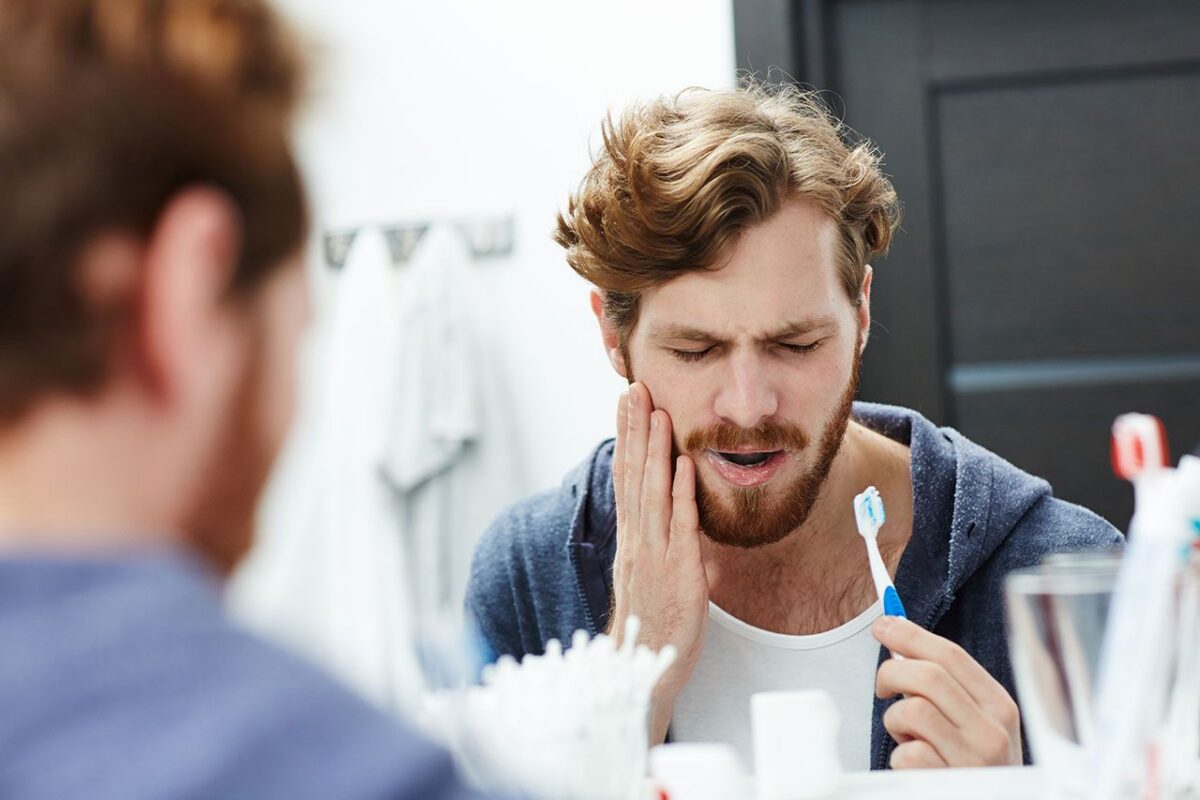
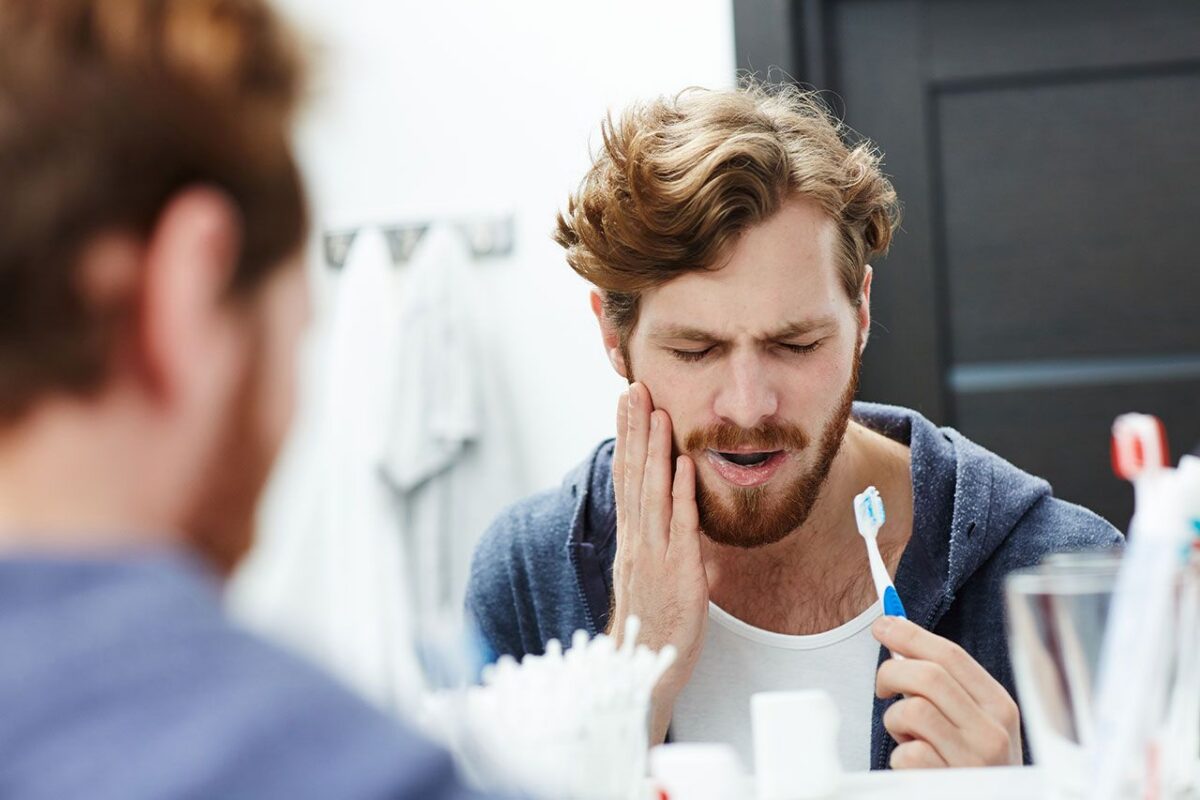
Ever bite into something cold or sweet and feel a sharp, lingering jolt in your tooth? It’s easy to dismiss it as nothing. But sometimes, that pain is your tooth’s way of waving a white flag—and it might be trying to tell you that something deeper is going on. Enter: root canal treatment.

Despite its reputation, it’s not the monster under the dental bed. In fact, it’s often the hero that saves your tooth from being lost altogether.


Let’s get past the myths and break down exactly what root canal treatment is, why it’s needed, and what it actually feels like.

What Exactly Is a Root Canal?


Think of your tooth like a hard shell with a soft center. That inner core—called the pulp—contains nerves, blood vessels, and connective tissue. When it gets infected or inflamed (usually due to decay, cracks, or trauma), things can get painful fast.

A root canal treatment involves removing that damaged pulp, cleaning out the infected areas, and then sealing the tooth to keep bacteria out. The structure of your tooth stays intact, and with a crown on top, it works just like new.

So no, it’s not about removing the root of your tooth—it’s about cleaning and protecting it.

Common Signs You Might Need a Root Canal


While only a dentist can confirm it with X-rays and exams, there are a few red flags that might indicate the need for root canal treatment:

  • Throbbing tooth pain that doesn’t go away

  • Sensitivity to hot or cold that lingers

  • Swollen or tender gums near a specific tooth

  • A darkened tooth (which may suggest internal damage)

  • A pimple-like bump on your gum

Some people don’t feel any pain at all—which makes regular dental checkups at Aria Dental of Annapolis even more important.

What Happens During a Root Canal Procedure?


Root canal treatment is usually completed in one or two visits. And no, it’s not painful. With modern numbing techniques, it often feels like getting a dental filling.

Here’s a simplified version of what happens:

  1. Numbing the area


    – so you’re completely comfortable.


  2. Creating a small opening


    – to access the pulp chamber.


  3. Removing the damaged pulp


    – and cleaning the inside of the canals.


  4. Disinfecting the area


    – to remove bacteria and debris.


  5. Filling and sealing


    – the space with a biocompatible material.


  6. Placing a crown


    – to restore the tooth’s strength and appearance.


Once it’s done, most patients feel instant relief—and their natural tooth is safe from extraction.

The Benefits of Root Canal Treatment


According to the American Association of Endodontists, root canal therapy has a success rate of over 95% and can last a lifetime with proper care. Here’s why this treatment is a game changer:

  • Preserves your natural tooth


    – no need for a bridge or implant.


  • Stops infection from spreading


    – protecting your overall health.


  • Relieves pain


    – often immediately after treatment.


  • Restores full function


    – chew, smile, and speak without worry.


  • Cost-effective


    – compared to tooth loss and replacement.


Saving your natural tooth is almost always better than pulling it. With a root canal, you get a second chance at a strong, pain-free smile.

Root Canal Recovery: What to Expect


Most people are pleasantly surprised at how smooth the recovery is. You may experience minor soreness for a couple of days, but it’s usually manageable with over-the-counter pain relievers.

Tips to speed up recovery:

  • Avoid chewing on the treated tooth until your dentist places a crown

  • Practice good oral hygiene—gentle brushing and flossing

  • Stick to soft foods for a day or two

  • Follow any specific aftercare instructions from your dental team

If discomfort lingers or worsens, give your dentist a call. But in most cases, recovery is quick and uneventful.

Don’t Fear the Root Canal—Embrace the Relief


There’s no reason to live with dental pain or risk losing a tooth. Root canal treatment is safe, effective, and far less intimidating than it sounds. With a bit of care and the expertise of professionals like those at Aria Dental of Annapolis, your tooth can be saved—and your comfort restored.

Ready to find relief and preserve your natural smile? Contact Aria Dental of Annapolis at 410-280-5370 to schedule your consultation and learn whether root canal treatment is right for you.


Invisalign vs Porcelain Veneers: Which Path Leads to Your Best Smile?

Imagine Your Ideal Smile


Close your eyes for a moment and picture greeting an old friend. Does your dream grin appear perfectly aligned, or do you see a luminous, camera-ready surface? Modern cosmetic dentistry can turn either vision into reality with two standout options:


Invisalign clear aligners


and


porcelain veneers


. While each solution can elevate appearance and confidence, they achieve results through very different means. Understanding how they work—and what they can realistically do—will help you decide which avenue best suits your goals, lifestyle, and timeline.

Invisalign: Subtle Straightening for Natural Alignment


Invisalign


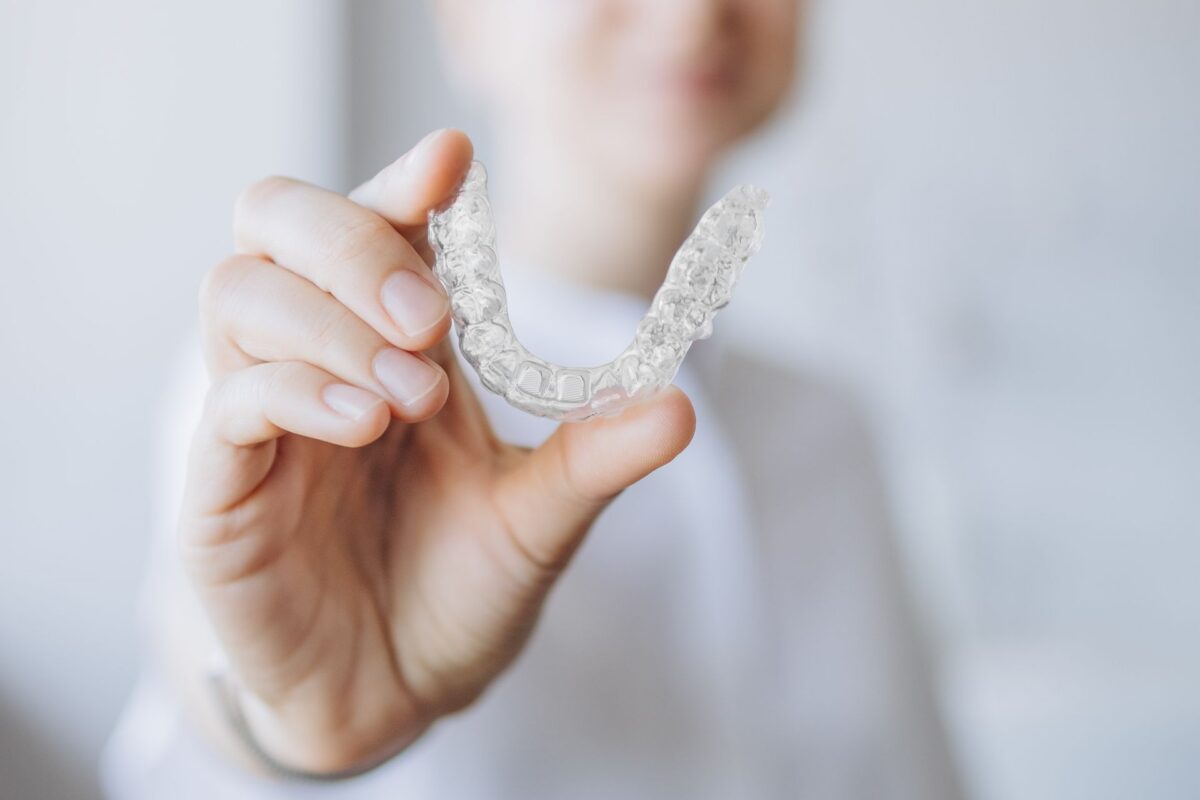
relies on a series of custom-made, nearly invisible plastic trays that guide teeth into healthier positions. Each aligner set is worn for about one to two weeks, applying gentle pressure that moves teeth fractions of a millimeter at a time. Because the trays are clear, most people around you will never notice you’re in orthodontic treatment.


Key Advantages of Invisalign

  • Discretion:


    No brackets, wires, or metallic glint in photos.


  • Convenience:


    Aligners are removable for meals and easy brushing, so your oral-hygiene routine stays familiar.


  • Predictability:


    Digital software maps every stage before you start, letting you visualize progress and final results.


  • Comfort:


    Smooth thermoplastic minimizes cheek and gum irritation common with traditional braces.


Treatment length depends on the complexity of your bite. Mild crowding may finish in as little as six months, while moderate cases often take 12–18 months. After active movement, retainers preserve the new alignment—an essential final chapter for lifelong stability.

How Do Veneers Work? Crafting a Flawless Surface


If you’re satisfied with general tooth alignment but dislike chips, deep stains, or uneven shapes, porcelain veneers deliver dramatic aesthetic change—often in just two or three visits.


How do veneers work


in practice? Your dentist removes a paper-thin layer of enamel (usually less than your fingernail’s thickness) to create space for each veneer. Digital impressions and high-resolution photos guide dental ceramists as they layer premium porcelain in natural shades, translucency, and texture. Once bonded, the veneers fuse to tooth structure, forming a resilient, lifelike shell.


Key Advantages of Porcelain Veneers

  • Instant makeover:


    Correct discoloration, cracks, gaps, and minor misalignment in one comprehensive procedure.


  • Lifelike brilliance:


    Porcelain mimics enamel’s light-reflection, so results look naturally radiant.


  • Stain resistance:


    Coffee, tea, and red wine are less likely to darken porcelain than natural enamel.


  • Durability:


    Clinical studies show 94 percent survival at ten years, with many veneers lasting 15 years or longer when cared for properly.


Maintenance is straightforward: brush twice daily with a non-abrasive toothpaste, floss gently, and keep up regular professional cleanings. Avoid using teeth as tools or chewing hard objects, and consider a nightguard if you clench or grind while sleeping.

Treatment Goals: Alignment vs Aesthetic Refinement


Although both therapies reshape smiles, their core purposes differ:’

  • Invisalign


    is primarily an orthodontic system that moves teeth into healthier, more functional positions. It benefits oral health by improving bite mechanics, reducing abnormal wear, and making flossing easier.


  • Porcelain veneers


    mask imperfections without changing root or bone position. They’re ideal when tooth color, contour, or minor spacing concerns bother you, yet overall alignment is acceptable.


Ask yourself: Do crooked or rotated teeth make it hard to floss, or has your dentist warned about enamel attrition? If so, Invisalign may be the healthier long-term choice. Is tooth shade or small chips what keeps you from smiling broadly in photos? Veneers can provide a faster, more dramatic improvement.

Evidence-Based Benefits You Can Trust


Decades of research support both treatments:

  • American Association of Orthodontists (AAO)


    studies demonstrate that clear aligners successfully correct mild-to-moderate crowding with patient satisfaction scores higher than those for fixed braces.


  • A 2023 systematic review in The Journal of Prosthetic Dentistry documented a 94 percent ten-year survival rate for porcelain veneers, crediting advances in lithium-disilicate ceramics and adhesive protocols.

  • American Academy of Cosmetic Dentistry (AACD)


    surveys consistently show improved self-confidence and quality of life following smile enhancements, whether patients chose Invisalign or veneers.


These professional findings underscore the predictability, durability, and psychological lift each option provides when treatment is designed and delivered by experienced clinicians.

Benefits at a Glance


Invisalign


  • Healthier Bite:


    By aligning arches, Invisalign lowers risks of TMJ strain and uneven enamel wear.


  • Easier Cleaning:


    Straight teeth make brushing and flossing more effective, reducing cavity and gum-disease risk.


  • Lifestyle Flexibility:


    Remove trays for big presentations, sports, or your favorite crab-cake dinner in downtown Annapolis.


Porcelain Veneers


  • Versatile Correction:


    Conceal stubborn stains, chips, and slight overlap in one comprehensive step.


  • Long-lasting Brightness:


    Porcelain resists stains far better than natural enamel, keeping your smile white longer.


  • Custom Esthetics:


    Shape, length, and translucency are tailored to complement your face, complexion, and personal style.


Your Personalized Roadmap to a Radiant Smile


Choosing between


Invisalign


and


porcelain veneers


isn’t about which method is “better”—it’s about which aligns with your unique needs and goals. Invisalign straightens teeth discreetly, preserving natural enamel and enhancing long-term oral health. Porcelain veneers offer rapid, transformative cosmetic refinement, perfect for correcting color, shape, and small gaps. Both are backed by robust scientific data and high patient-satisfaction ratings.


When you’re ready for a professional opinion—whether you’re googling “invisalign near me” or still wondering


how do veneers work


—reach out to


Aria Dental of Annapolis


at


410-280-5370


or visit our welcoming practice at


1610 West St Ste 202


. Dr. Daniel, Dr. Lisa, and our compassionate team will craft a customized roadmap to the smile you’ve been envisioning. Your best grin could be only an aligner tray—or a porcelain shell—away.