
Caring for Full-Arch Implants in Annapolis, How to Protect Your All-on-X or All-on-4 Restoration

The Importance of Proper Implant Care Full-arch dental implants, whether All-on-4 or All-on-X, are a long-term investment in oral health, function, and confidence. Maintaining these restorations requires consistent hygiene, dietary awareness, and regular dental visits. Proper care reduces the risk of complications, supports bone and gum health, and helps implants last for decades. Patients often […]
All-on-X vs All-on-4 Dental Implants in Annapolis, Understanding the Differences
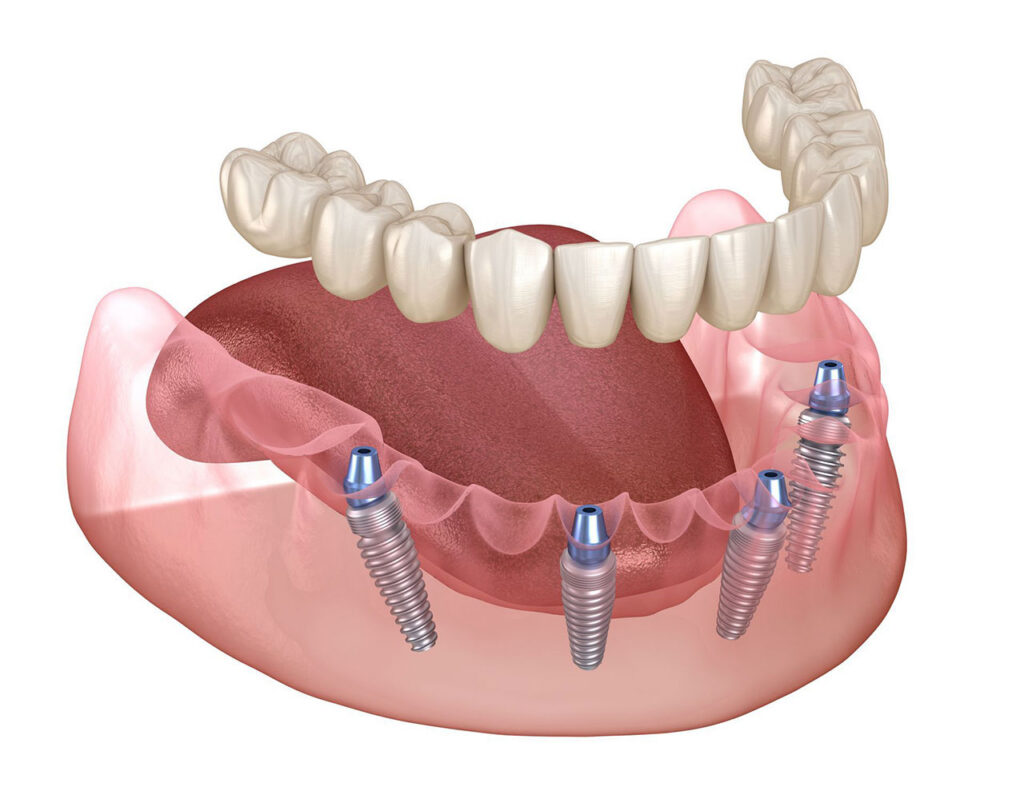
Comparing Full-Arch Dental Solutions Patients missing most or all teeth may be considering a fixed implant-supported solution. Two common options are All-on-X and All-on-4 dental implants. While both restore a full arch, the number of implants, placement strategies, and treatment plans differ slightly. Understanding these differences helps patients make informed decisions based on anatomy, goals, […]
All-on-4 Full-Arch Dental Implants in Annapolis, How They Restore Function and Confidence
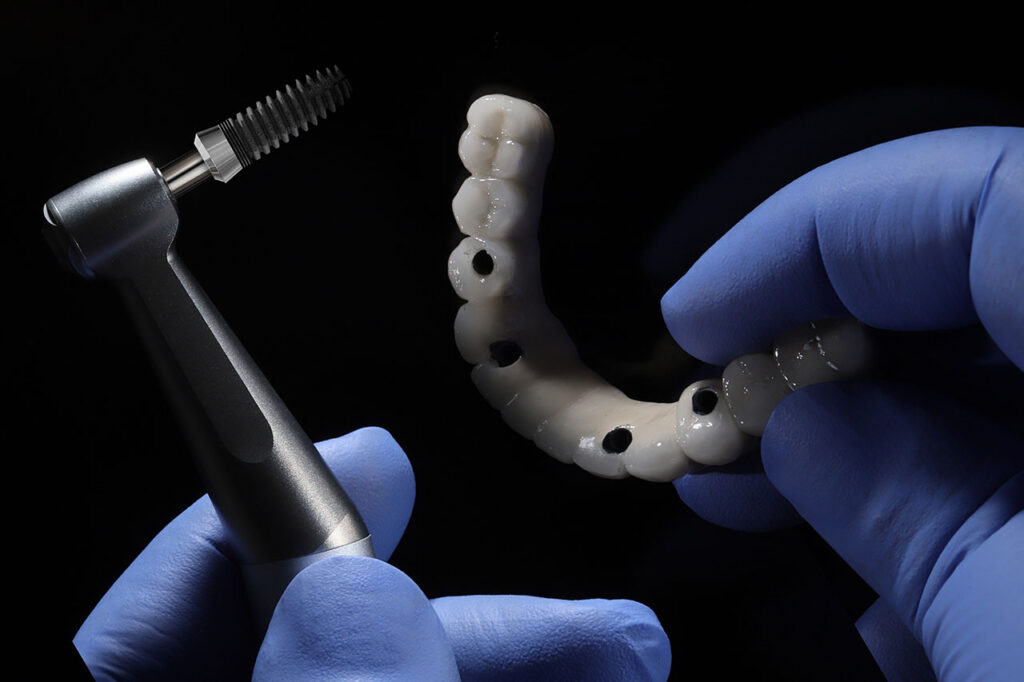
Understanding All-on-4 Dental Implants All-on-4 full-arch dental implants replace an entire set of teeth in the upper or lower jaw using just four implants per arch. Unlike traditional dentures that rest on the gums, All-on-4 implants are anchored in the jawbone, providing stability and support. The strategic placement of the four implants distributes biting forces […]
All-on-X Dental Implants in Annapolis, A Comprehensive Guide to Replacing Missing Teeth
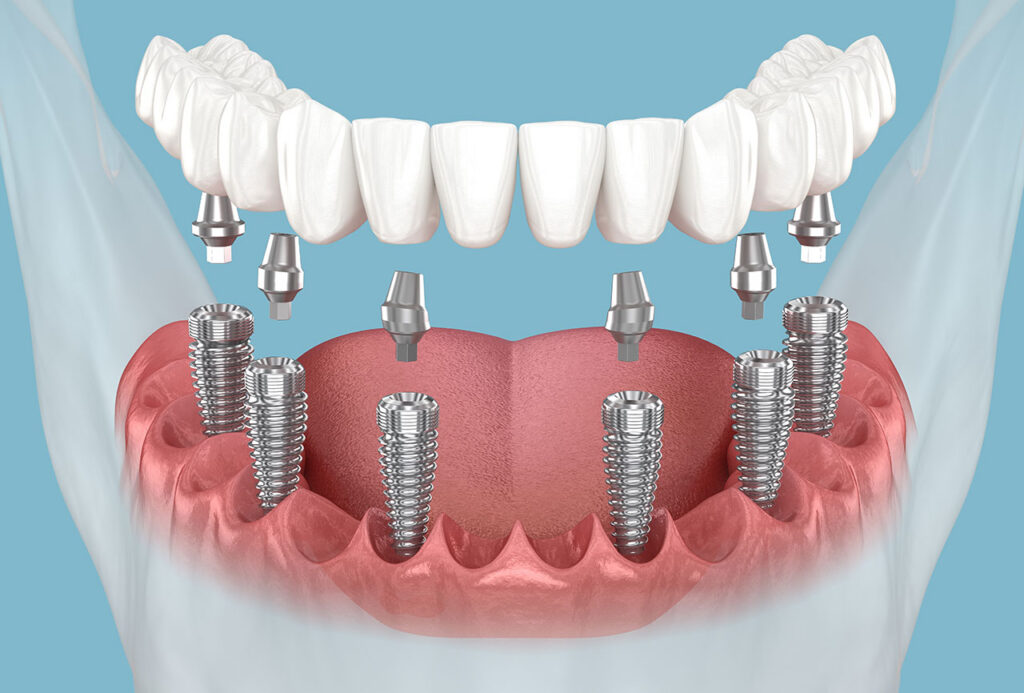
What Are All-on-X Dental Implants? All-on-X dental implants provide a permanent solution for patients missing most or all of their teeth in one or both arches. Instead of replacing each tooth individually, a full-arch prosthesis is supported by a smaller number of strategically placed implants. The “X” in All-on-X refers to the number of implants […]
Dental Implants in Annapolis, How They Work, What to Expect, and Long Term Care

Understanding Dental Implants and Why They Are Popular Dental implants are a modern solution for replacing missing teeth. Unlike removable dentures, implants are anchored into the jawbone, providing a stable foundation for crowns, bridges, or even full arch restorations. They not only restore function but also improve appearance, helping patients chew comfortably and smile confidently. […]
Dental Implants in Annapolis, A Patient Friendly Guide to the Process and Healing Timeline
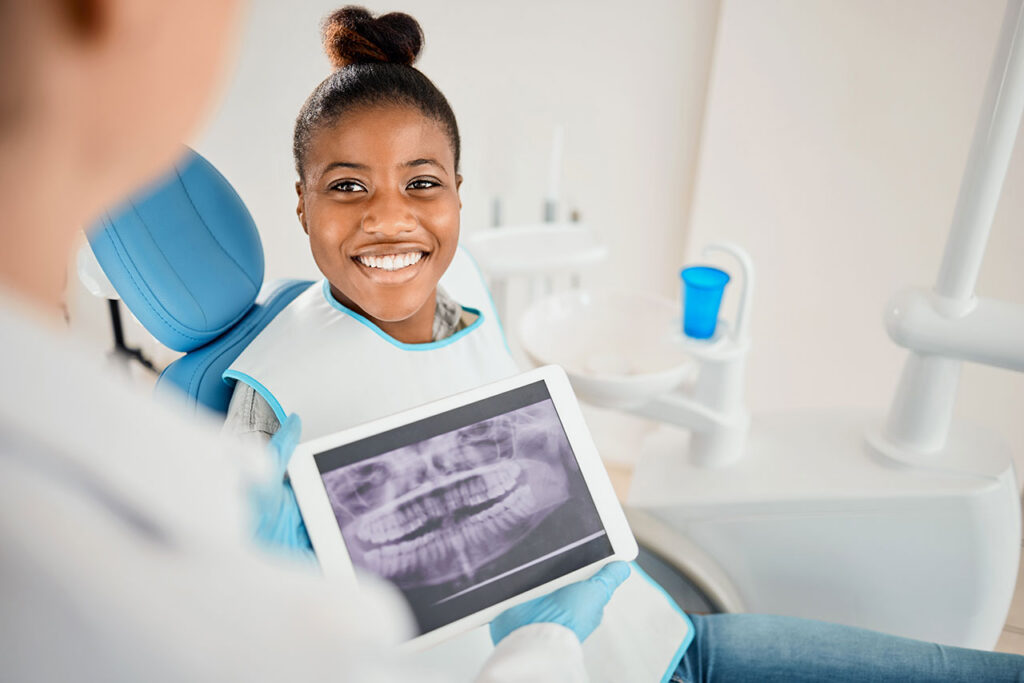
Replacing a Tooth Can Feel Like a Big Decision If you are missing a tooth, or you have been told a tooth cannot be saved, it is normal to feel overwhelmed. You may be weighing comfort, appearance, cost, and how long everything takes. Dental implants are a popular option because they replace the root and […]