Dental Bridges in Annapolis, How They Work, Who They Help, and How to Care for Them

A Missing Tooth Can Change More Than Your Smile

When a tooth is missing, chewing can feel awkward, speech can change slightly, and surrounding teeth may begin to shift. Even if the gap is not visible, it can affect how your bite functions. A dental bridge is a reliable way to replace a missing tooth and restore balance, often without the longer healing timeline associated with implants.

If you are considering a dental bridge in Annapolis, this guide explains the types of bridges, how treatment works, and how to keep your bridge healthy long term.

What Is a Dental Bridge?

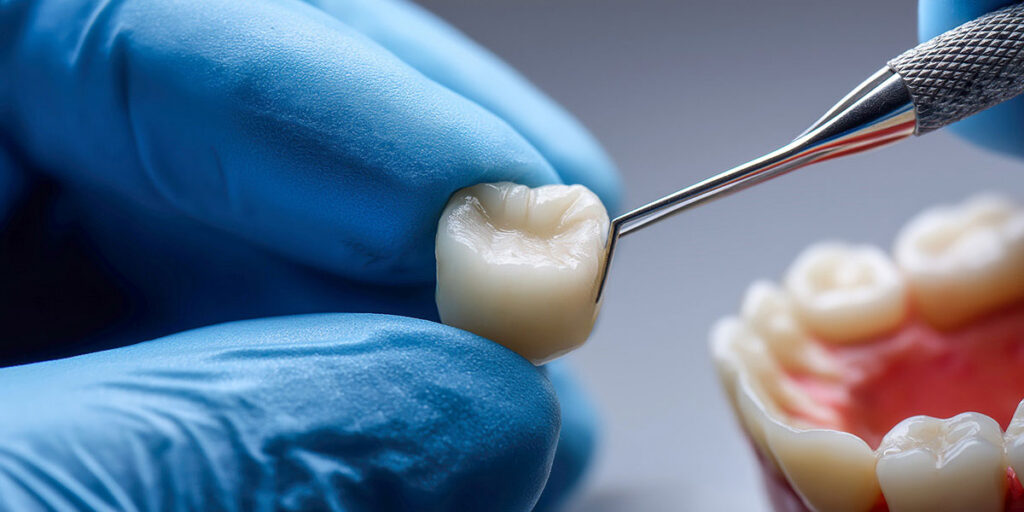
A bridge replaces one or more missing teeth by anchoring to neighboring teeth or implants. The replacement tooth, called a pontic, fills the space. Traditional bridges use crowns on the neighboring teeth, while implant supported bridges rely on implants instead.

Common bridge types include:

  • Traditional bridge, supported by crowns on both sides
  • Cantilever bridge, supported on one side in select cases
  • Maryland bridge, bonded with wings in limited situations
  • Implant supported bridge, supported by implants rather than natural teeth

Your dentist will recommend the best type based on tooth health, bite forces, and location.

Why Bridges Are Still a Popular Option

Bridges are often chosen because:

  • Treatment can be completed relatively quickly in many cases
  • Bridges feel stable and natural when well fitted
  • They restore chewing efficiency and reduce food trapping
  • They can be a smart choice when adjacent teeth already need crowns

Bridges are not always the best option, yet they remain an excellent solution for many patients.

The Bridge Process, Step by Step

Step 1, Evaluation and Planning

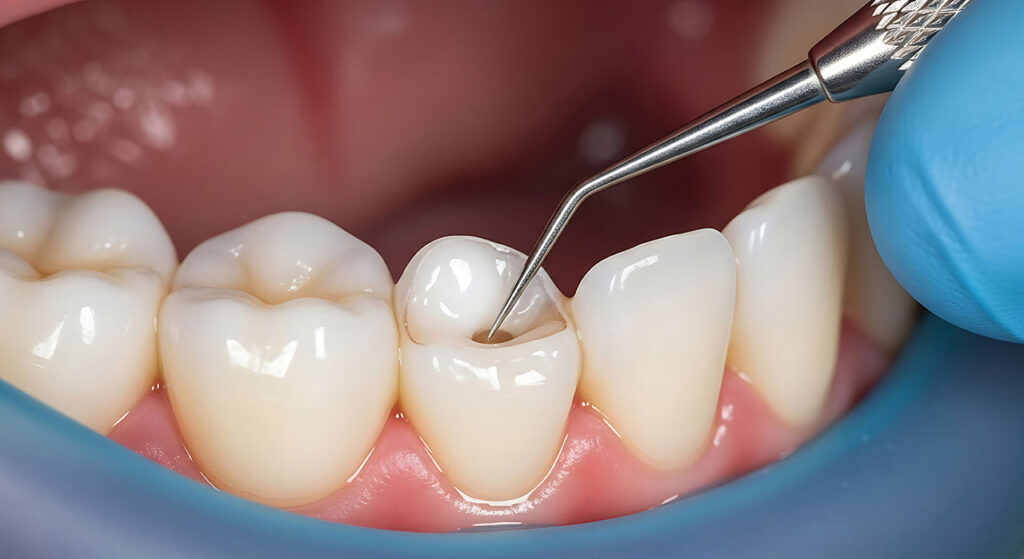
We examine the gap and check the supporting teeth. If the teeth on either side are healthy and strong, they may be good candidates for supporting a bridge.

Step 2, Tooth Preparation

For a traditional bridge, the supporting teeth are shaped so crowns can fit. Then impressions or digital scans are taken to design the bridge.

Step 3, Temporary Bridge

A temporary protects the teeth and keeps spacing stable. Avoid sticky foods and chew carefully while wearing the temporary.

Step 4, Final Bridge Placement

The final bridge is tried in, adjusted for fit and bite, then cemented. Proper bite balance is important, because a high spot can create discomfort or stress the bridge.

Caring for a Bridge

A bridge can last many years with good care. The biggest risk is decay on the supporting teeth near the crown margins. Therefore, cleaning around the bridge is essential.

Helpful cleaning tools include:

  • Floss threaders to reach under the pontic
  • Superfloss for easier under bridge cleaning
  • Interdental brushes for accessible spaces
  • A water flosser for daily plaque control

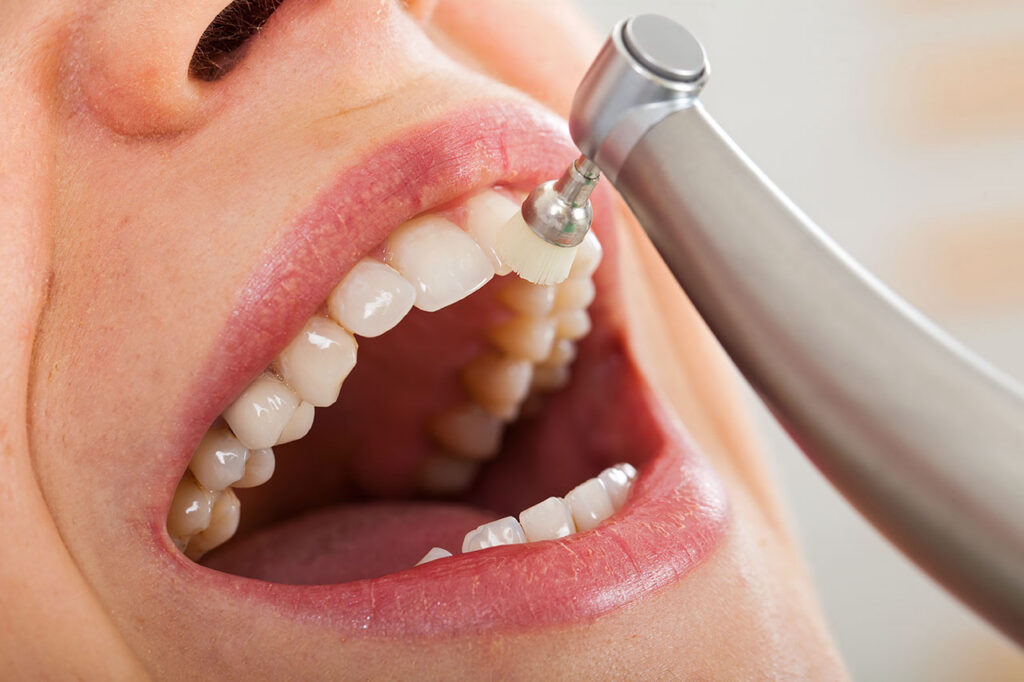
In addition, routine cleanings help keep the gum tissue healthy around the bridge.

Bridges vs Implants, How to Think About the Choice

Implants replace the root and do not rely on adjacent teeth. Bridges can be faster and can be ideal when neighboring teeth already need crowns. The right choice depends on your anatomy, timeline, and the condition of surrounding teeth.

A practical way to decide:

  • If adjacent teeth are intact and you want to preserve them, implants may be appealing
  • If adjacent teeth already need crowns, a bridge can solve multiple issues at once
  • If you want a shorter timeline and avoid surgical placement, a bridge may fit well

Dental Bridge Benefits

Dental bridges restore chewing comfort and help prevent neighboring teeth from drifting into the space. They can also reduce food trapping and improve speech clarity for some patients. In addition, bridges support bite balance, which helps distribute chewing forces more evenly and can reduce stress on other teeth. When properly fitted and cleaned consistently, bridges can provide a long lasting, natural looking replacement that blends into your smile.

How Long Do Bridges Last?

Many bridges last 10 to 15 years or longer, depending on hygiene, bite forces, and whether you grind. Night guards can help protect bridges for patients who clench or grind.

Warning signs that a bridge needs evaluation:

  • New sensitivity near the crown margins
  • Food trapping that was not present before
  • A bite that suddenly feels off
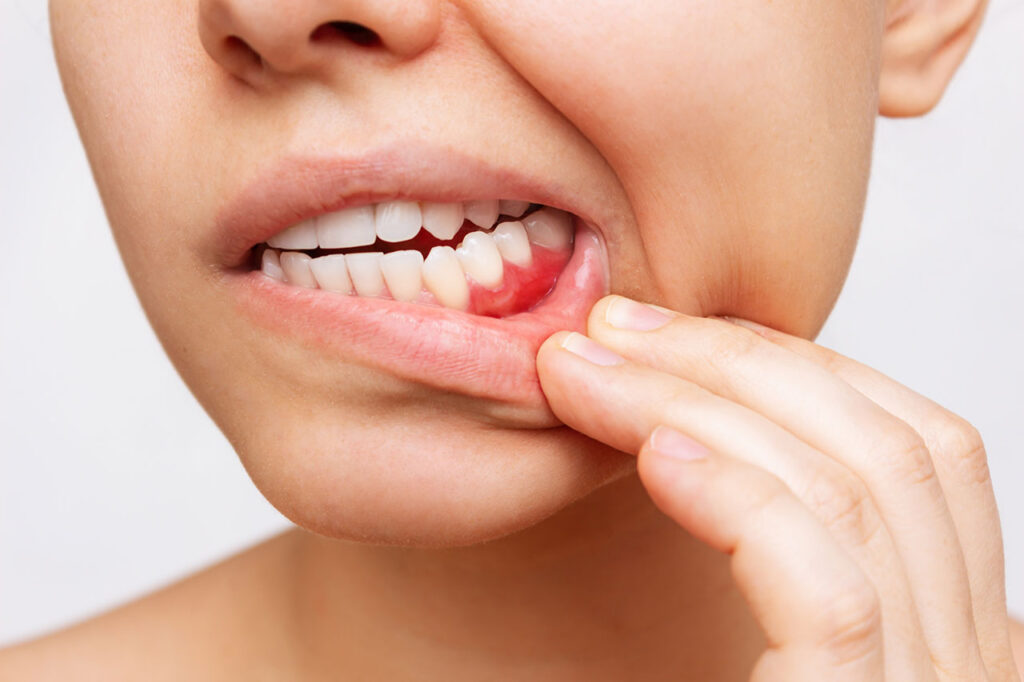
  • Gum irritation or bleeding around the bridge

If you notice any of these, a quick check can prevent bigger issues.

If you are missing a tooth and want to explore whether a bridge is right for you, we can help you compare options and plan next steps. Call Aria Dental of Annapolis at (410) 280-5370 to Schedule a Consultation in Annapolis, MD.

Dental Bridges in Annapolis, How They Work, Who They Help, and How to Care for Them

Dental Bridges in Annapolis, How They Work, Who They Help, and How to Care for Them

A Missing Tooth Can Change More Than Your Smile

When a tooth is missing, chewing can feel awkward, speech can change slightly, and surrounding teeth may begin to shift. Even if the gap is not visible, it can affect how your bite functions. A dental bridge is a reliable way to replace a missing tooth and restore balance, often without the longer healing timeline associated with implants.

If you are considering a dental bridge in Annapolis, this guide explains the types of bridges, how treatment works, and how to keep your bridge healthy long term.

What Is a Dental Bridge?

A bridge replaces one or more missing teeth by anchoring to neighboring teeth or implants. The replacement tooth, called a pontic, fills the space. Traditional bridges use crowns on the neighboring teeth, while implant supported bridges rely on implants instead.

Common bridge types include:

  • Traditional bridge, supported by crowns on both sides
  • Cantilever bridge, supported on one side in select cases
  • Maryland bridge, bonded with wings in limited situations
  • Implant supported bridge, supported by implants rather than natural teeth

Your dentist will recommend the best type based on tooth health, bite forces, and location.

Why Bridges Are Still a Popular Option

Bridges are often chosen because:

  • Treatment can be completed relatively quickly in many cases
  • Bridges feel stable and natural when well fitted
  • They restore chewing efficiency and reduce food trapping
  • They can be a smart choice when adjacent teeth already need crowns

Bridges are not always the best option, yet they remain an excellent solution for many patients.

The Bridge Process, Step by Step

Step 1, Evaluation and Planning

We examine the gap and check the supporting teeth. If the teeth on either side are healthy and strong, they may be good candidates for supporting a bridge.

Step 2, Tooth Preparation

For a traditional bridge, the supporting teeth are shaped so crowns can fit. Then impressions or digital scans are taken to design the bridge.

Step 3, Temporary Bridge

A temporary protects the teeth and keeps spacing stable. Avoid sticky foods and chew carefully while wearing the temporary.

Step 4, Final Bridge Placement

The final bridge is tried in, adjusted for fit and bite, then cemented. Proper bite balance is important, because a high spot can create discomfort or stress the bridge.

Caring for a Bridge

A bridge can last many years with good care. The biggest risk is decay on the supporting teeth near the crown margins. Therefore, cleaning around the bridge is essential.

Helpful cleaning tools include:

  • Floss threaders to reach under the pontic
  • Superfloss for easier under bridge cleaning
  • Interdental brushes for accessible spaces
  • A water flosser for daily plaque control

In addition, routine cleanings help keep the gum tissue healthy around the bridge.

Bridges vs Implants, How to Think About the Choice

Implants replace the root and do not rely on adjacent teeth. Bridges can be faster and can be ideal when neighboring teeth already need crowns. The right choice depends on your anatomy, timeline, and the condition of surrounding teeth.

A practical way to decide:

  • If adjacent teeth are intact and you want to preserve them, implants may be appealing
  • If adjacent teeth already need crowns, a bridge can solve multiple issues at once
  • If you want a shorter timeline and avoid surgical placement, a bridge may fit well

Dental Bridge Benefits

Dental bridges restore chewing comfort and help prevent neighboring teeth from drifting into the space. They can also reduce food trapping and improve speech clarity for some patients. In addition, bridges support bite balance, which helps distribute chewing forces more evenly and can reduce stress on other teeth. When properly fitted and cleaned consistently, bridges can provide a long lasting, natural looking replacement that blends into your smile.

How Long Do Bridges Last?

Many bridges last 10 to 15 years or longer, depending on hygiene, bite forces, and whether you grind. Night guards can help protect bridges for patients who clench or grind.

Warning signs that a bridge needs evaluation:

  • New sensitivity near the crown margins
  • Food trapping that was not present before
  • A bite that suddenly feels off
  • Gum irritation or bleeding around the bridge

If you notice any of these, a quick check can prevent bigger issues.

If you are missing a tooth and want to explore whether a bridge is right for you, we can help you compare options and plan next steps. Call Aria Dental of Annapolis at (410) 280-5370 to Schedule a Consultation in Annapolis, MD.

The post Dental Bridges in Annapolis, How They Work, Who They Help, and How to Care for Them appeared first on Arial Dental of Annapolis.

Root Canal Therapy in Annapolis, Signs You May Need It and What the Appointment Is Like

Root Canals Are Meant to Save Teeth, Not Scare People

Many patients associate root canal therapy with fear, mostly because of how it has been portrayed over the years. In reality, root canal therapy is designed to relieve pain and save a tooth that would otherwise be at risk. When a tooth nerve is inflamed or infected, treatment removes the problem tissue and seals the inside of the tooth so you can chew comfortably again.

If you are dealing with tooth pain in Annapolis, this guide explains common signs, what happens during treatment, and what comes next.

What Causes a Tooth to Need a Root Canal?

A root canal is usually needed when the pulp, the soft tissue inside the tooth, becomes inflamed or infected. This can happen due to:

  • Deep decay that reaches the nerve
  • A crack that allows bacteria inside
  • Repeated dental work on the same tooth
  • Trauma that damages the nerve
  • A failing filling or crown with leakage

Sometimes the problem is obvious, sometimes it is subtle. That is why an exam and imaging are important.

Common Signs You May Need Root Canal Therapy

Not every toothache means a root canal, yet these symptoms raise suspicion:

Lingering Sensitivity

If cold or heat sensitivity lingers for more than a few seconds, it can suggest nerve involvement.

Pain When Biting

Pain on bite, especially pain that feels sharp or occurs when you release after biting, may indicate a crack or infection.

Spontaneous Throbbing

If pain comes without a trigger, especially at night, it may be a sign of inflamed pulp.

Swelling or Gum Bumps

A pimple like bump on the gum can indicate drainage from an infection. In addition, facial swelling needs prompt evaluation.

Darkening of a Tooth

A tooth that becomes darker after trauma may have a compromised nerve, even if pain is mild.

If you have swelling, fever, or trouble swallowing, seek urgent medical care, then call the dental office as soon as possible.

What Happens During a Root Canal?

Step 1, Diagnosis and Comfort

We confirm the source of pain and numb the area thoroughly. Comfort is a priority, and most patients are surprised by how manageable treatment feels.

Step 2, Cleaning the Inside of the Tooth

A small opening allows access to the canals. The inflamed tissue is removed, and the canals are cleaned and disinfected.

Step 3, Sealing the Canals

After cleaning, the canals are filled with a biocompatible material to prevent reinfection. The tooth is then closed with a filling or temporary restoration.

Step 4, Protecting the Tooth with a Crown

Many root canal treated teeth need a crown afterward. This protects the tooth from fracture and seals it long term.

Aftercare and Recovery

Mild tenderness for a day or two is common. Over the counter pain relief usually works well. Avoid chewing hard foods on the tooth until it is fully restored, especially if you have a temporary filling.

Call the office if:

  • Pain worsens significantly after a couple of days
  • Swelling increases
  • The bite feels high
  • The temporary breaks or falls out

Root Canal Therapy Benefits

Root canal therapy removes infection, relieves pain, and allows you to keep your natural tooth. Saving a tooth helps maintain bite balance, keeps neighboring teeth from drifting, and preserves comfortable chewing. In addition, keeping your natural tooth often reduces the need for more complex replacement options later, such as bridges or implants. When followed by a well fitted crown, root canal treated teeth can function for many years.

How to Reduce the Chance of Needing a Root Canal

Prevention matters, especially if you have a history of deep cavities or grinding.

Helpful strategies include:

  • Keep regular exams so small cavities are found early
  • Treat cracks and worn fillings before they worsen
  • Wear a night guard if you clench or grind
  • Brush and floss daily, especially along the gumline
  • Reduce frequent sugary snacks and drinks

Root canals are not always avoidable, yet early care often keeps treatment simpler and more comfortable.

If you have tooth pain or sensitivity that is not improving, do not wait for it to become severe. Call Aria Dental of Annapolis at (410) 280-5370 to Book an Appointment in Annapolis, MD.

Root Canal Therapy in Annapolis, Signs You May Need It and What the Appointment Is Like

Root Canal Therapy in Annapolis, Signs You May Need It and What the Appointment Is Like

Root Canals Are Meant to Save Teeth, Not Scare People

Many patients associate root canal therapy with fear, mostly because of how it has been portrayed over the years. In reality, root canal therapy is designed to relieve pain and save a tooth that would otherwise be at risk. When a tooth nerve is inflamed or infected, treatment removes the problem tissue and seals the inside of the tooth so you can chew comfortably again.

If you are dealing with tooth pain in Annapolis, this guide explains common signs, what happens during treatment, and what comes next.

What Causes a Tooth to Need a Root Canal?

A root canal is usually needed when the pulp, the soft tissue inside the tooth, becomes inflamed or infected. This can happen due to:

  • Deep decay that reaches the nerve
  • A crack that allows bacteria inside
  • Repeated dental work on the same tooth
  • Trauma that damages the nerve
  • A failing filling or crown with leakage

Sometimes the problem is obvious, sometimes it is subtle. That is why an exam and imaging are important.

Common Signs You May Need Root Canal Therapy

Not every toothache means a root canal, yet these symptoms raise suspicion:

Lingering Sensitivity

If cold or heat sensitivity lingers for more than a few seconds, it can suggest nerve involvement.

Pain When Biting

Pain on bite, especially pain that feels sharp or occurs when you release after biting, may indicate a crack or infection.

Spontaneous Throbbing

If pain comes without a trigger, especially at night, it may be a sign of inflamed pulp.

Swelling or Gum Bumps

A pimple like bump on the gum can indicate drainage from an infection. In addition, facial swelling needs prompt evaluation.

Darkening of a Tooth

A tooth that becomes darker after trauma may have a compromised nerve, even if pain is mild.

If you have swelling, fever, or trouble swallowing, seek urgent medical care, then call the dental office as soon as possible.

What Happens During a Root Canal?

Step 1, Diagnosis and Comfort

We confirm the source of pain and numb the area thoroughly. Comfort is a priority, and most patients are surprised by how manageable treatment feels.

Step 2, Cleaning the Inside of the Tooth

A small opening allows access to the canals. The inflamed tissue is removed, and the canals are cleaned and disinfected.

Step 3, Sealing the Canals

After cleaning, the canals are filled with a biocompatible material to prevent reinfection. The tooth is then closed with a filling or temporary restoration.

Step 4, Protecting the Tooth with a Crown

Many root canal treated teeth need a crown afterward. This protects the tooth from fracture and seals it long term.

Aftercare and Recovery

Mild tenderness for a day or two is common. Over the counter pain relief usually works well. Avoid chewing hard foods on the tooth until it is fully restored, especially if you have a temporary filling.

Call the office if:

  • Pain worsens significantly after a couple of days
  • Swelling increases
  • The bite feels high
  • The temporary breaks or falls out

Root Canal Therapy Benefits

Root canal therapy removes infection, relieves pain, and allows you to keep your natural tooth. Saving a tooth helps maintain bite balance, keeps neighboring teeth from drifting, and preserves comfortable chewing. In addition, keeping your natural tooth often reduces the need for more complex replacement options later, such as bridges or implants. When followed by a well fitted crown, root canal treated teeth can function for many years.

How to Reduce the Chance of Needing a Root Canal

Prevention matters, especially if you have a history of deep cavities or grinding.

Helpful strategies include:

  • Keep regular exams so small cavities are found early
  • Treat cracks and worn fillings before they worsen
  • Wear a night guard if you clench or grind
  • Brush and floss daily, especially along the gumline
  • Reduce frequent sugary snacks and drinks

Root canals are not always avoidable, yet early care often keeps treatment simpler and more comfortable.

If you have tooth pain or sensitivity that is not improving, do not wait for it to become severe. Call Aria Dental of Annapolis at (410) 280-5370 to Book an Appointment in Annapolis, MD.

The post Root Canal Therapy in Annapolis, Signs You May Need It and What the Appointment Is Like appeared first on Arial Dental of Annapolis.

Dental Implants in Annapolis, A Patient Friendly Guide to the Process and Healing Timeline

Replacing a Tooth Can Feel Like a Big Decision

If you are missing a tooth, or you have been told a tooth cannot be saved, it is normal to feel overwhelmed. You may be weighing comfort, appearance, cost, and how long everything takes. Dental implants are a popular option because they replace the root and the visible tooth, creating a result that feels stable and natural.

This guide explains how dental implants work, what the timeline often looks like, and what you can do to support smooth healing.

What Is a Dental Implant?

A dental implant is a small post placed in the jawbone to act like a tooth root. After healing, a connector called an abutment is placed, then a custom crown is attached. Because implants anchor into bone, they tend to feel secure, and they do not rely on neighboring teeth for support.

Dental implants can replace:

  • One missing tooth with an implant crown
  • Multiple teeth with an implant supported bridge
  • Many teeth with implant supported dentures, including full arch options

Why People Choose Dental Implants

Many patients choose implants because they want:

  • A stable tooth replacement that does not move
  • A solution that helps protect bone volume over time
  • A natural look and feel
  • A way to avoid reshaping adjacent teeth, which can happen with bridges

That said, implants are not always the best option for everyone. Your medical history, bone levels, gum health, and goals guide the plan.

The Implant Timeline, Step by Step

Step 1, Consultation and Planning

We examine your mouth, review your health history, and take imaging. In many cases, 3D imaging helps measure bone volume and plan placement around important structures. Then we discuss options, costs, and scheduling.

Step 2, Preparatory Treatment if Needed

Some patients need a tooth removed first. Others need gum care or a bone graft to build support for the implant. Not everyone needs grafting, yet when it is recommended, it can improve long term stability.

Step 3, Implant Placement

On implant day, the area is numbed, and the implant is placed precisely. You may feel pressure, yet you should not feel sharp pain. After placement, the site is protected while healing begins.

Step 4, Healing and Integration

Over the next few months, the implant integrates with bone. This process is called osseointegration. Healing time varies, yet many cases fall within a few months. During healing, you may have a temporary tooth or a gap depending on location and plan.

Step 5, Abutment and Crown

Once integration is confirmed, the final connector and crown are placed. The crown is shaped and shaded to blend naturally, and the bite is adjusted for comfort.

What Healing Feels Like

Most patients experience mild soreness, swelling, or tenderness for a few days. Over the counter pain relief and cold compresses typically help. You will receive clear instructions for cleaning and diet.

Helpful healing tips:

  • Eat softer foods for a short period
  • Avoid chewing hard foods on the area
  • Keep the site clean as directed
  • Avoid smoking and vaping, because they slow healing
  • Keep follow up visits so we can monitor progress

Dental Implants Benefits

Dental implants restore chewing comfort and confidence, because they are anchored in bone and feel more like natural teeth than removable options. They also help maintain spacing, so neighboring teeth are less likely to drift. In addition, implants can support bone stability over time, which helps preserve facial contours and long term function. Many patients appreciate that implants are independent of adjacent teeth, meaning nearby enamel often remains untouched.

Implant Care, Keeping Results Long Term

Implants are strong, yet they still require daily care. Plaque can inflame gum tissue around implants, so brushing and flossing matter.

A solid implant care routine includes:

  • Brush twice daily along the gumline
  • Floss or use interdental brushes daily
  • Consider a water flosser for easier cleaning
  • Attend regular exams and cleanings
  • Wear a night guard if you grind, to protect crowns and implants

Are Implants Right for You?

Implants are often a great fit if you want a fixed replacement and you have healthy gums. However, if you have uncontrolled gum disease, heavy smoking habits, or certain medical conditions, we may recommend stabilizing those factors first. The goal is predictable success.

If you are exploring dental implants and want a clear, personalized plan, we can walk you through your options. Call Aria Dental of Annapolis at (410) 280-5370 to Schedule a Consultation in Annapolis, MD.

Dental Implants in Annapolis, A Patient Friendly Guide to the Process and Healing Timeline

Dental Implants in Annapolis, A Patient Friendly Guide to the Process and Healing Timeline

Replacing a Tooth Can Feel Like a Big Decision

If you are missing a tooth, or you have been told a tooth cannot be saved, it is normal to feel overwhelmed. You may be weighing comfort, appearance, cost, and how long everything takes. Dental implants are a popular option because they replace the root and the visible tooth, creating a result that feels stable and natural.

This guide explains how dental implants work, what the timeline often looks like, and what you can do to support smooth healing.

What Is a Dental Implant?

A dental implant is a small post placed in the jawbone to act like a tooth root. After healing, a connector called an abutment is placed, then a custom crown is attached. Because implants anchor into bone, they tend to feel secure, and they do not rely on neighboring teeth for support.

Dental implants can replace:

  • One missing tooth with an implant crown
  • Multiple teeth with an implant supported bridge
  • Many teeth with implant supported dentures, including full arch options

Why People Choose Dental Implants

Many patients choose implants because they want:

  • A stable tooth replacement that does not move
  • A solution that helps protect bone volume over time
  • A natural look and feel
  • A way to avoid reshaping adjacent teeth, which can happen with bridges

That said, implants are not always the best option for everyone. Your medical history, bone levels, gum health, and goals guide the plan.

The Implant Timeline, Step by Step

Step 1, Consultation and Planning

We examine your mouth, review your health history, and take imaging. In many cases, 3D imaging helps measure bone volume and plan placement around important structures. Then we discuss options, costs, and scheduling.

Step 2, Preparatory Treatment if Needed

Some patients need a tooth removed first. Others need gum care or a bone graft to build support for the implant. Not everyone needs grafting, yet when it is recommended, it can improve long term stability.

Step 3, Implant Placement

On implant day, the area is numbed, and the implant is placed precisely. You may feel pressure, yet you should not feel sharp pain. After placement, the site is protected while healing begins.

Step 4, Healing and Integration

Over the next few months, the implant integrates with bone. This process is called osseointegration. Healing time varies, yet many cases fall within a few months. During healing, you may have a temporary tooth or a gap depending on location and plan.

Step 5, Abutment and Crown

Once integration is confirmed, the final connector and crown are placed. The crown is shaped and shaded to blend naturally, and the bite is adjusted for comfort.

What Healing Feels Like

Most patients experience mild soreness, swelling, or tenderness for a few days. Over the counter pain relief and cold compresses typically help. You will receive clear instructions for cleaning and diet.

Helpful healing tips:

  • Eat softer foods for a short period
  • Avoid chewing hard foods on the area
  • Keep the site clean as directed
  • Avoid smoking and vaping, because they slow healing
  • Keep follow up visits so we can monitor progress

Dental Implants Benefits

Dental implants restore chewing comfort and confidence, because they are anchored in bone and feel more like natural teeth than removable options. They also help maintain spacing, so neighboring teeth are less likely to drift. In addition, implants can support bone stability over time, which helps preserve facial contours and long term function. Many patients appreciate that implants are independent of adjacent teeth, meaning nearby enamel often remains untouched.

Implant Care, Keeping Results Long Term

Implants are strong, yet they still require daily care. Plaque can inflame gum tissue around implants, so brushing and flossing matter.

A solid implant care routine includes:

  • Brush twice daily along the gumline
  • Floss or use interdental brushes daily
  • Consider a water flosser for easier cleaning
  • Attend regular exams and cleanings
  • Wear a night guard if you grind, to protect crowns and implants

Are Implants Right for You?

Implants are often a great fit if you want a fixed replacement and you have healthy gums. However, if you have uncontrolled gum disease, heavy smoking habits, or certain medical conditions, we may recommend stabilizing those factors first. The goal is predictable success.

If you are exploring dental implants and want a clear, personalized plan, we can walk you through your options. Call Aria Dental of Annapolis at (410) 280-5370 to Schedule a Consultation in Annapolis, MD.

The post Dental Implants in Annapolis, A Patient Friendly Guide to the Process and Healing Timeline appeared first on Arial Dental of Annapolis.

Teeth Whitening in Annapolis, How to Keep Your Smile Bright Between Visits

A Brighter Smile Is Not Just About One Appointment

Professional teeth whitening can deliver a noticeable boost, however the real secret is keeping that brightness week after week. If you have ever whitened your teeth and felt like the results faded too fast, you are not imagining it. Stains build back gradually from foods, drinks, and everyday habits. The good news is that a few simple routines can help your whitening results last longer, with less sensitivity and fewer touch ups.

This guide covers why teeth stain, what makes professional whitening more predictable, and what you can do at home in Annapolis to protect your brighter shade.

Why Teeth Stain in the First Place

Teeth have a porous outer layer called enamel. Over time, pigments from foods and beverages can settle into microscopic grooves and create discoloration. Meanwhile, some stains develop within the tooth itself, usually from aging, certain medications, or tooth trauma.

Common stain sources include:

  • Coffee and tea
  • Red wine
  • Dark sodas
  • Tomato sauce and curry
  • Berries, balsamic vinegar, soy sauce
  • Tobacco products
  • Dry mouth and certain mouthwashes

Even healthy foods can stain, so the goal is not perfection. Instead, it is learning which habits cause the fastest color changes, then adjusting strategically.

In Office Whitening vs Take Home Whitening

Both options can be effective, and they often complement each other.

In Office Whitening

In office whitening is ideal when you want faster results. The gel used is stronger, and the team protects soft tissues while monitoring comfort. Many patients love this option before weddings, interviews, and big events. Sensitivity can happen, yet it often resolves within a couple of days.

Take Home Whitening Trays

Custom trays whiten more gradually, which many patients find gentler. In addition, trays are great for maintenance, because you can do short touch ups when you notice fading. If you like control and flexibility, take home whitening is often a strong fit.

How to Make Whitening Results Last Longer

Whitening is not permanent, yet you can significantly slow the return of stains.

Be Strategic for the First 48 Hours

After whitening, enamel can be more prone to picking up pigments temporarily. For the first two days:

  • Choose lighter foods like eggs, chicken, rice, yogurt, bananas, and oatmeal
  • Avoid dark sauces, berries, coffee, and red wine
  • Drink water frequently to rinse the mouth

Think of it like protecting freshly cleaned fabric, the first couple of days matter the most.

Rinse, Then Wait Before Brushing

If you drink coffee or something acidic, rinse with water, then wait about 30 minutes before brushing. Brushing immediately after acid exposure can be harsher on enamel.

Use a Straw When It Makes Sense

For iced coffee or darker beverages, a straw can reduce contact with the front teeth. It is not necessary for everything, yet it can help, especially if you sip slowly over time.

Switch Your Timing, Do Not Sip for Hours

One of the fastest ways to re stain teeth is continuous sipping. Try to enjoy coffee in a shorter window, then follow with water. This reduces how long teeth stay in a pigmented, acidic environment.

Choose Whitening Friendly Toothpaste Carefully

Look for fluoride and low abrasiveness. Some whitening toothpastes are too gritty, and that can wear enamel over time. If you want help choosing an option, ask at your next visit.

Keep Up With Professional Cleanings

Professional cleanings remove surface stain and plaque, which helps teeth stay brighter longer. In addition, cleanings help catch small issues like early decay, which can contribute to uneven color.

Address Dry Mouth

Dry mouth reduces saliva, and saliva is your natural stain control system. If you wake up with a dry mouth or take medications that reduce saliva, ask about strategies like hydration routines, sugar free xylitol products, and rinses that support moisture.

Sensitivity, What Helps

Sensitivity is common for some patients, especially after stronger whitening. Fortunately, there are ways to reduce it:

  • Use a sensitivity toothpaste for two weeks before and after whitening
  • Avoid very hot or very cold foods for a day or two
  • Ask about desensitizing treatments
  • Do shorter wear times with take home trays if needed

If sensitivity is intense or lingers, your whitening plan may need a different approach, so let us know.

Teeth Whitening Benefits

Professional teeth whitening can brighten your smile predictably and safely, because it is customized to your enamel, your sensitivity history, and your existing dental work. A lighter shade can also make smiles look fresher in photos, and many patients report feeling more confident in conversations, without changing anything else about their natural look. When whitening is combined with regular cleanings and smart touch ups, results tend to look more even and last longer.

Whitening and Dental Work, What to Know

Fillings, crowns, and veneers do not whiten the same way natural teeth do. Therefore, planning matters. If you have visible restorations, we can help you choose a whitening target shade that still blends well. In some cases, you may whiten first, then update a restoration to match.

Simple Maintenance Plan

Many patients do well with this schedule:

  • Whitening treatment, either in office or with trays
  • Regular cleanings every six months
  • Short tray touch up every few months, or before events
  • Daily habits, water, flossing, and stain smart choices

You do not need to obsess. A consistent, realistic plan is what keeps your smile looking bright.

If you are thinking about whitening or you want to maintain past results, we can recommend the best option for your teeth. Call Aria Dental of Annapolis at (410) 280-5370 to Book an Appointment in Annapolis, MD.

Teeth Whitening in Annapolis, How to Keep Your Smile Bright Between Visits

Teeth Whitening in Annapolis, How to Keep Your Smile Bright Between Visits

A Brighter Smile Is Not Just About One Appointment

Professional teeth whitening can deliver a noticeable boost, however the real secret is keeping that brightness week after week. If you have ever whitened your teeth and felt like the results faded too fast, you are not imagining it. Stains build back gradually from foods, drinks, and everyday habits. The good news is that a few simple routines can help your whitening results last longer, with less sensitivity and fewer touch ups.

This guide covers why teeth stain, what makes professional whitening more predictable, and what you can do at home in Annapolis to protect your brighter shade.

Why Teeth Stain in the First Place

Teeth have a porous outer layer called enamel. Over time, pigments from foods and beverages can settle into microscopic grooves and create discoloration. Meanwhile, some stains develop within the tooth itself, usually from aging, certain medications, or tooth trauma.

Common stain sources include:

  • Coffee and tea
  • Red wine
  • Dark sodas
  • Tomato sauce and curry
  • Berries, balsamic vinegar, soy sauce
  • Tobacco products
  • Dry mouth and certain mouthwashes

Even healthy foods can stain, so the goal is not perfection. Instead, it is learning which habits cause the fastest color changes, then adjusting strategically.

In Office Whitening vs Take Home Whitening

Both options can be effective, and they often complement each other.

In Office Whitening

In office whitening is ideal when you want faster results. The gel used is stronger, and the team protects soft tissues while monitoring comfort. Many patients love this option before weddings, interviews, and big events. Sensitivity can happen, yet it often resolves within a couple of days.

Take Home Whitening Trays

Custom trays whiten more gradually, which many patients find gentler. In addition, trays are great for maintenance, because you can do short touch ups when you notice fading. If you like control and flexibility, take home whitening is often a strong fit.

How to Make Whitening Results Last Longer

Whitening is not permanent, yet you can significantly slow the return of stains.

Be Strategic for the First 48 Hours

After whitening, enamel can be more prone to picking up pigments temporarily. For the first two days:

  • Choose lighter foods like eggs, chicken, rice, yogurt, bananas, and oatmeal
  • Avoid dark sauces, berries, coffee, and red wine
  • Drink water frequently to rinse the mouth

Think of it like protecting freshly cleaned fabric, the first couple of days matter the most.

Rinse, Then Wait Before Brushing

If you drink coffee or something acidic, rinse with water, then wait about 30 minutes before brushing. Brushing immediately after acid exposure can be harsher on enamel.

Use a Straw When It Makes Sense

For iced coffee or darker beverages, a straw can reduce contact with the front teeth. It is not necessary for everything, yet it can help, especially if you sip slowly over time.

Switch Your Timing, Do Not Sip for Hours

One of the fastest ways to re stain teeth is continuous sipping. Try to enjoy coffee in a shorter window, then follow with water. This reduces how long teeth stay in a pigmented, acidic environment.

Choose Whitening Friendly Toothpaste Carefully

Look for fluoride and low abrasiveness. Some whitening toothpastes are too gritty, and that can wear enamel over time. If you want help choosing an option, ask at your next visit.

Keep Up With Professional Cleanings

Professional cleanings remove surface stain and plaque, which helps teeth stay brighter longer. In addition, cleanings help catch small issues like early decay, which can contribute to uneven color.

Address Dry Mouth

Dry mouth reduces saliva, and saliva is your natural stain control system. If you wake up with a dry mouth or take medications that reduce saliva, ask about strategies like hydration routines, sugar free xylitol products, and rinses that support moisture.

Sensitivity, What Helps

Sensitivity is common for some patients, especially after stronger whitening. Fortunately, there are ways to reduce it:

  • Use a sensitivity toothpaste for two weeks before and after whitening
  • Avoid very hot or very cold foods for a day or two
  • Ask about desensitizing treatments
  • Do shorter wear times with take home trays if needed

If sensitivity is intense or lingers, your whitening plan may need a different approach, so let us know.

Teeth Whitening Benefits

Professional teeth whitening can brighten your smile predictably and safely, because it is customized to your enamel, your sensitivity history, and your existing dental work. A lighter shade can also make smiles look fresher in photos, and many patients report feeling more confident in conversations, without changing anything else about their natural look. When whitening is combined with regular cleanings and smart touch ups, results tend to look more even and last longer.

Whitening and Dental Work, What to Know

Fillings, crowns, and veneers do not whiten the same way natural teeth do. Therefore, planning matters. If you have visible restorations, we can help you choose a whitening target shade that still blends well. In some cases, you may whiten first, then update a restoration to match.

Simple Maintenance Plan

Many patients do well with this schedule:

  • Whitening treatment, either in office or with trays
  • Regular cleanings every six months
  • Short tray touch up every few months, or before events
  • Daily habits, water, flossing, and stain smart choices

You do not need to obsess. A consistent, realistic plan is what keeps your smile looking bright.

If you are thinking about whitening or you want to maintain past results, we can recommend the best option for your teeth. Call Aria Dental of Annapolis at (410) 280-5370 to Book an Appointment in Annapolis, MD.

The post Teeth Whitening in Annapolis, How to Keep Your Smile Bright Between Visits appeared first on Arial Dental of Annapolis.