Smile Makeovers — A Thoughtful Plan for a Smile You Love Every Day

Ever caught your reflection and thought, “If I could change just a few things…”? A smile makeover turns that thought into a clear, step-by-step plan. It’s not one treatment—it’s a customized roadmap that blends cosmetic and restorative dentistry to match your goals, budget, and timeline. Think of it like renovating a favorite room: keep what you love, update what you don’t, and create a space that feels like you.

What a Smile Makeover Includes (and What It Doesn’t)


A smile makeover is designed around you. Common building blocks include professional whitening, dental bonding, porcelain veneers, reshaping edges, gum contouring, Invisalign® or clear aligner therapy, and replacement of old, dark fillings. If any teeth are worn, chipped, or missing, the plan can also integrate crowns, dental bridges, or dental implants. The key is combining techniques that complement each other—color, shape, alignment, and symmetry all work together.

What a smile makeover isn’t: it’s not a one-size-fits-all package. You won’t be pushed into procedures you don’t need. The goal is to enhance your natural features so the new smile looks like you—just brighter, more balanced, and more confident.

Your First Visit: From Wishes to a Working Plan


Your first visit at Aria Dental of Annapolis starts with a conversation. What do you like about your smile? What bugs you? Do you want a “wow” change or a subtle refresh? Photos and digital scans capture your baseline. From there, the team reviews tooth color, tooth length, midline, gumline, bite, and how your top and bottom teeth meet when you smile and speak.

You’ll see options—often a few different routes at different price points. Many plans roll out in phases so you can spread treatment over months. Whitening first, shaping and bonding second, veneers for a few front teeth third—that kind of pace keeps each step purposeful.

Preview Before You Commit


Here’s a favorite part: previews. Digital smile design and wax-up models help you “test drive” a look before final treatment. You can see how longer central incisors soften the face or how closing a black triangle changes the way light hits your smile. Try-ins with temporary material let you live with the changes for a few days, check speech, check photos, and get feedback from people who know you best.

Popular Smile Makeover Treatments (In Plain Language)


  • Teeth Whitening


    – Lifts deep stains so everything else you do matches one fresh shade.


  • Dental Bonding


    – Adds small amounts of tooth-colored resin to repair chips, close gaps, and smooth edges.


  • Porcelain Veneers


    – Thin, custom shells on the front of teeth to refine color, shape, and symmetry with beautiful translucency.


  • Contouring (Reshaping)


    – Polishes tiny uneven edges for a clean, even silhouette.


  • Gum Contouring


    – Adjusts a “gummy” smile or uneven gumline for better balance.


  • Clear Aligners


    – Straighten teeth without brackets so the final smile looks aligned and polished.


  • Dental Crowns


    – Restore strength and shape if a tooth is cracked or heavily filled.


  • Dental Bridges or Implants


    – Replace missing teeth so the smile looks complete and functions well.


How Long Does a Smile Makeover Take?


It depends on the plan. Whitening and bonding may finish in weeks; clear aligners can take several months; veneers usually need two major appointments a few weeks apart. Many people choose a blended approach: quick wins now, longer changes over time. The schedule is flexible so it fits real life—work, kids, trips, and that wedding in June.

Will It Look Natural?


That’s the goal. A natural look comes down to details: subtle translucency at the edges, gentle surface texture, and color layering that mimics real enamel. It also means respecting facial features. Longer central incisors can brighten the face; soft curves feel youthful; consistent edges read as healthy. The best smile makeovers look like they’ve always belonged to you.

What About the Bite?


Looks matter, but so does function. Your bite guides where and how teeth meet. Well-planned makeovers align appearance with mechanics so edges don’t chip and veneers don’t bear too much stress. If clenching is part of your story, a nightguard often protects the investment once treatment wraps up.

Benefits of a Smile Makeover (Grounded in Professional Guidance)


  • Comprehensive planning


    – A staged, documented plan follows widely accepted cosmetic and restorative principles: diagnose first, design second, treat third.


  • Conservative options first


    – Professional literature emphasizes minimal removal of healthy enamel when possible. Bonding, whitening, and contouring align with that conservative ethic.


  • Occlusion-aware design


    – Biting relationships (occlusion) are evaluated to reduce fracture risk and increase longevity—common guidance across restorative and prosthodontic materials.


  • Material science, working for you


    – Modern ceramics and high-strength resins are designed for lifelike color stability, polish, and durability described in cosmetic dentistry resources.


  • Psychosocial benefit


    – Many studies highlight how improving a smile can influence confidence and social comfort, which is one reason smile makeovers remain a popular, patient-driven choice.


Care and Maintenance


Daily brushing and flossing are non-negotiable. Use non-abrasive toothpaste to protect gloss. Schedule routine cleanings to polish ceramics and bonding, check your bite, and catch any small issues early. If you grind, wear the nightguard. If you love coffee or tea, consider touch-up whitening every so often to keep your overall shade steady.

Smile Makeover vs. One-Off Fixes


Could you just whiten and call it a day? Sure—sometimes that’s perfect. But a smile makeover looks at the whole picture: tooth color with skin tone, tooth length with lip line, alignment with symmetry. Instead of piecemeal changes, you get harmony. That’s why even two or three small procedures, done together, can create a bigger, more satisfying result than each would alone.

Is a Smile Makeover Right for You?


Great candidates have healthy gums, realistic goals, and a desire to plan. If you have untreated cavities or gum inflammation, those issues come first—it’s the foundation for any cosmetic work. Once your mouth is healthy, the fun part begins: designing the look that fits your face and your lifestyle.

The Aria Dental of Annapolis Experience


Expect clear communication and options. Expect photos, previews, and a transparent timeline. Expect materials that look good under real-world light, not just bright operatory lamps. Most of all, expect a team that listens so the final look reflects your taste—subtle, glam, or somewhere in the middle.

A Smile You’ll Want to Use


A strong smile draws people in. You’ll use it more. That’s the quiet win of a good makeover—you don’t think about your teeth anymore. You just smile, speak, and laugh, without that little voice pointing out the chip or the gap.

Cost, Value, and Phasing Wisely


A full smile makeover can be an investment, but it doesn’t have to be a single giant step. Many people phase care. Start with whitening and small bonding to see how you feel. If you want more staying power or broader changes later, veneers or aligners can come next. That staged rhythm respects your budget and lets you appreciate each improvement as it arrives.

Aftercare Tips That Actually Work


Sip dark drinks through a straw to limit staining. Use a soft brush and gentle strokes along the gumline. Choose an alcohol-free mouthwash if you’re sensitive. Schedule touch-up whitening before big life events so your shade stays consistent. And store that nightguard in a case you’ll actually use—on the bathroom counter, not buried in a drawer.


Ready to see what’s possible with a personalized


smile makeover


? Aria Dental of Annapolis crafts plans that fit your goals and your schedule. Call


410-280-5370


or visit


1610 West St Ste 202, Annapolis, MD 21401


.


Schedule a consultation


with Aria Dental of Annapolis and start designing a smile that feels like you—every single day.





Root Canal Treatment — Modern, Gentle, and Built to Save Your Tooth

The phrase “root canal” has had a rough PR run, but here’s the truth: modern root canal treatment is remarkably gentle, and it’s one of dentistry’s best tooth-saving heroes. When a tooth is throbbing or sensitive to hot and cold, or you’ve got a deep cavity that reached the nerve, root canal therapy can remove the source of the problem—then seal, strengthen, and save your natural tooth. That’s a win you can feel every time you chew without pain.

What Is Root Canal Treatment?


Inside every tooth is a soft core called the pulp—blood vessels, connective tissue, nerve fibers. When bacteria slip inside through deep decay, a crack, or trauma, that tissue can get inflamed or infected. Root canal treatment removes the infected tissue, cleans and shapes the tiny canal spaces, disinfects them, and seals them to prevent re-infection. After that, the tooth is typically restored with a crown to bring back strength.

Put more simply: it’s a deep clean and a secure seal for the inside of your tooth.

Signs You Might Need a Root Canal


  • Lingering sensitivity to hot or cold

  • Throbbing pain, especially at night

  • Tenderness when chewing or touching the tooth

  • Swelling in the gums near the tooth

  • Darkening of the tooth after trauma

  • A pimple-like bump on the gums (possible abscess drainage path)

Not every ache is a root canal case, but these symptoms are reliable signals to get checked soon.

Step-by-Step: What Happens During a Root Canal?


  1. Comfort First


    – Local anesthetic numbs the area thoroughly. Comfort aids (headphones, neck pillows) can help you relax.


  2. Access


    – A small opening is made to reach the pulp chamber.


  3. Cleaning & Shaping


    – Delicate instruments remove infected tissue and shape the canals.


  4. Disinfection


    – Antibacterial rinses clean the microscopic spaces.


  5. Sealing


    – The canals are filled with a rubber-like material (gutta-percha) and a sealing cement.


  6. Build-Up & Crown


    – The tooth gets a core build-up, and most teeth—especially molars—are restored with a crown for long-term strength.


Pain: Before, During, After


  • Before


    : Inflammation hurts. That’s often when you feel the worst pain.

  • During


    : With modern anesthetics and technique, patients commonly report feeling pressure and vibration, not sharp pain.

  • After


    : Mild soreness is normal for a couple of days and usually managed with over-the-counter medication. If you grind your teeth, a nightguard can protect the new crown and your comfort.

Why Not Just Pull the Tooth?


You can, but you might not want to. Removing a tooth can trigger shifting, bite changes, and bone loss over time. Replacing it later with an implant or bridge is effective—but it’s more steps, time, and cost. When a tooth is savable, root canal treatment is often the most efficient, long-term fix.

Crown or No Crown After a Root Canal?


Front teeth with small openings may do fine with a bonded filling. Back teeth do heavy chewing and almost always need a crown to prevent fractures. Your dentist will recommend the right path based on remaining tooth structure and your bite.

Success Rates and Longevity


Root canal therapy has a high success rate when followed by a proper restoration. With good hygiene and routine checkups, many treated teeth last decades. If a tooth ever needs retreatment or an apicoectomy (a surgical end fix), those options are available too—useful safety nets if future issues arise.

Benefits of Root Canal Treatment (Supported by Professional Guidance)


  • Tooth Preservation


    – Major dental organizations consistently underline the value of saving natural teeth when possible; root canal therapy is central to that mission.


  • Pain Relief


    – Eliminating inflamed or infected pulp addresses the source of pain—echoed across endodontic literature focused on resolution of symptoms and return to function.


  • Functional Strength


    – When combined with a well-sealed restoration or crown, the tooth returns to daily chewing with dependable strength—a core principle in restorative protocols.


  • Infection Control


    – Cleaning, disinfecting, and sealing the canal system reduces bacterial load and helps prevent spread—supported by endodontic research on canal disinfection and sealing quality.


Myths, Debunked


“Root canals are painful.”


The pain is what brings you in. The treatment relieves it.

“It’s better to pull the tooth.”


Sometimes extraction is necessary, but when a tooth is savable, preserving it helps maintain bite balance and jawbone integrity.

“The tooth will just get infected again.”


With proper sealing and a quality crown, long-term success is excellent. Regular checkups keep things on track.

How to Keep That Tooth Healthy After Treatment


  • Get the final crown or restoration promptly (don’t wait months).

  • Keep excellent home care: brush twice daily, floss once daily.

  • Avoid chewing ice or hard objects that can crack teeth.

  • See your dentist every six months for exams and cleanings.

  • Wear a nightguard if you grind—especially on molars.

What to Expect at Aria Dental of Annapolis


From the first exam to the final polish on your crown, the process is designed to be calm, clear, and efficient. Digital imaging, careful anesthesia, and a stepwise approach mean fewer surprises and more relief. The team focuses on bite comfort too, so your restored tooth feels natural from day one.

When to Call—Don’t Wait on Tooth Pain


If your tooth is waking you up at night or hot coffee sets off a zing that lingers, it’s time. Infections don’t get better on their own inside a tooth. The earlier you treat, the simpler the process tends to be—and the better your chance to save the tooth.

A Clear Path Back to Comfort


Root canal treatment isn’t the villain. It’s the fix. When a tooth is infected or inflamed, the procedure relieves pain, protects your health, and keeps your natural tooth where it belongs—working for you.


If you’re dealing with tooth pain or sensitivity, get answers now. Call


Aria Dental of Annapolis at 410-280-5370


or visit


1610 West St Ste 202, Annapolis, MD 21401


.


Schedule a consultation


today and let Aria Dental of Annapolis help you save your tooth—and your peace of mind.


Restorative Dentistry in Annapolis: Rebuild Strength, Comfort, and Confidence


Life happens. A cracked molar, a deep cavity, a tooth that’s been sensitive for months—these moments are common, and they’re fixable.


Restorative dentistry


is the art and science of bringing teeth back to health so you can chew, smile, and speak without thinking twice. If you’ve been putting something off, here’s a clear, patient-friendly look at what


restorative dentistry


includes and how it helps.


What Falls Under Restorative Dentistry?


Restorative dentistry


covers fillings, inlays & onlays, crowns, bridges, root canal therapy, and


dental implants


—all the treatments that repair damage and replace what’s missing. The goal is simple: stop disease, restore function, and protect what you have. Your plan is built around your mouth, your schedule, and your budget—no copy-paste solutions.

How We Decide What You Need


It starts with a conversation and a careful exam. Imaging shows the size and location of problems. Small cavity? A filling preserves most of the tooth. Larger fracture? An onlay or crown may be best. Missing tooth? A bridge or


dental implant


restores the space. With


restorative dentistry


, there’s nearly always more than one path forward; the job is to help you compare options in plain language.

Fillings, Inlays & Onlays, and Crowns—What’s the Difference?


Fillings repair smaller areas of decay.


Inlays & onlays


step in when a filling would be too big to last. Crowns cover the entire biting surface and sides when a tooth needs full protection—like after a root canal or a major crack.


Restorative dentistry


uses the least invasive option that will hold up well for you long-term.


Root Canal Therapy Without the Scare Factor


If a tooth’s nerve is inflamed or infected, root canal therapy can save it. The inside is cleaned, disinfected, and sealed. A crown often follows to guard the tooth from future cracks. In


restorative dentistry


, saving your natural teeth when possible is always a priority because nothing feels quite like the real thing.

Replacing Missing Teeth: Bridges and Dental Implants


When a tooth is gone, the neighbors drift, chewing gets lopsided, and the jaw can change over time. A bridge uses the teeth on either side for support, while


dental implants


act like a new root that supports a crown. Both are solid


restorative dentistry


options; the best choice depends on your tooth structure, bone levels, and personal preferences.


Comfort, Efficiency, and Aesthetics


Modern


restorative dentistry


focuses on comfortable visits, streamlined appointments, and lifelike materials. Numbing is gentle. Shade-matching aims for natural color. Bites are fine-tuned so chewing feels easy again. The whole experience is designed to minimize disruption and maximize results.


Benefits, Supported by Professional Guidance


Professional dental recommendations consistently show that timely


restorative dentistry


prevents small problems from turning into big ones, reduces the risk of infection, and restores chewing efficiency. Guidance also underscores the value of tooth-sparing treatments when possible and the importance of addressing gum health alongside restorative work. When decay is removed and structure is rebuilt properly, teeth last longer and feel better.


Home Care That Protects Your Investment


Brush twice daily with fluoride toothpaste, clean between teeth every day, and keep your


general dentistry


visits on schedule. If you clench or grind, consider a night guard. Limit frequent sipping of acidic drinks. These simple steps help your restorations last and keep your gums healthy around them.


Your Questions, Answered


Will it hurt?


Local anesthesia and a calm, step-by-step approach keep you comfortable.


How long will it take?


Many


restorative dentistry


treatments happen in one or two visits.


Will the results look natural?


Yes—modern materials are designed to blend with your smile.


Is it worth it if I’m not in pain?


Absolutely. Pain is a late symptom; earlier care protects more tooth and costs less in the long run.


Ready for a Fresh Start?


You don’t need a perfect mouth to begin—just a plan that makes sense.


Restorative dentistry


helps you rebuild function, protect your health, and feel good showing your smile again. Call


Aria Dental of Annapolis


at


410-280-5370


or visit


1610 West St Ste 202, Annapolis, MD 21401


. Schedule a consultation today and let’s map out a comfortable, sensible path back to a confident bite.


Inlays & Onlays in Annapolis: When a Filling Isn’t Enough (and a Crown Is Too Much)


Some cavities or cracks sit in the “in-between” zone—too large for a filling to hold up, but not so extensive that you need a full crown. That’s where


inlays & onlays


shine. They’re conservative, strong, and custom-made to match your tooth. If you want durability without removing more enamel than necessary,


inlays & onlays


might be your sweet spot.


What Are Inlays & Onlays?


Inlays & onlays


are custom restorations crafted to fit your tooth like a puzzle piece. An inlay fits within the grooves of the chewing surface; an onlay covers a bit more, often including one or more cusps (the raised points). Both are designed to restore strength, seal out bacteria, and blend with your natural tooth color. They’re typically made from high-strength ceramic or similar materials for a natural look and solid performance.


Why Not Just a Big Filling?


Large fillings can flex under bite force. Over time, that movement may lead to cracks or leaks at the edges.


Inlays & onlays


are bonded in place and engineered to distribute chewing pressure more evenly. You keep more healthy enamel than you would with a full crown, and you gain more stability than a large filling. It’s the “just right” option when a tooth needs more support but doesn’t require full coverage.


The Visit Flow


After a thorough exam and imaging, the tooth is cleaned and shaped only where decay or cracks exist. A precise digital or physical impression is taken so your


inlay or onlay


can be made to exact specifications. A temporary restoration protects the tooth between visits. When your custom piece is ready, it’s bonded securely. Bite adjustments are fine-tuned, and you’re set.


Comfort, Function, and Appearance


Because


inlays & onlays


are custom, they fit snugly, feel natural, and look like your own tooth. The edges are smooth, which makes daily cleaning easier. Many people forget which tooth was treated after a few days because the result blends in so well.


How Long Do They Last?


With brushing, flossing, and regular cleanings and exams,


inlays & onlays


are very durable. Like any restoration, they benefit from avoiding habits like chewing ice or opening packages with your teeth. If you grind or clench, a nighttime guard can protect your investment.


Benefits, Supported by Professional Literature


Professional dental guidance supports


inlays & onlays


as a conservative, tooth-sparing option when damage exceeds what a filling can handle but doesn’t require a crown. Reports highlight their strong performance, precise fit, and favorable wear characteristics when properly planned and bonded. The key ingredients are careful case selection, moisture-controlled bonding, and consistent home care.


FAQs in Plain Language


Do inlays & onlays stain?


High-quality ceramics resist staining well.


Will insurance help?


Coverage varies, but many plans recognize


inlays & onlays


when clinically indicated.


Is the procedure painful?


Local anesthesia keeps you comfortable; most people do very well.


What if my tooth breaks later?


If damage expands, a crown may become the better choice. Starting with


inlays & onlays


preserves more enamel now and keeps future options open.


A Balanced Choice


When you want strength without over-treating the tooth,


inlays & onlays


meet you in the middle—conservative, stable, and great-looking. Ready to see if this is a fit for your tooth? Call


Aria Dental of Annapolis


at


410-280-5370


or visit us at


1610 West St Ste 202, Annapolis, MD 21401


. Schedule a consultation today and ask whether inlays & onlays can help you save more natural tooth structure with confidence.


Gum Disease Therapy in Annapolis: Calm the Inflammation, Save the Smile


Gums don’t usually shout. They whisper—mild bleeding when you floss, puffy edges, a little tenderness. Those whispers matter.


Gum disease therapy


turns that irritation around and protects the bone that holds your teeth in place. If you’ve noticed bleeding or bad breath that lingers, this guide explains how


gum disease therapy


can help you feel better fast and stay healthy long-term.


What Gum Disease Is (and what it isn’t)


Gum disease is inflammation caused by plaque and tartar building up along and under the gumline. Early gum disease—gingivitis—often shows up as bleeding when you brush or floss. The advanced stage—periodontitis—affects the bone and can lead to tooth mobility if left untreated.


Gum disease therapy


targets the bacterial buildup and calms the inflammation so the tissues can rebound.


It isn’t about blame. It’s about biology. Some mouths build tartar faster. Some people have drier saliva. Stress, sleep, and certain medications can shift the balance.


Gum disease therapy


meets you where you are and gets things back under control.


The Therapy: Thorough, Focused, Effective


The cornerstone of


gum disease therapy


is scaling and root planing—often called a “deep cleaning.” Your clinician gently removes hardened deposits beneath the gums and smooths root surfaces so bacteria have fewer places to hide. Antibiotic rinses or localized medications may be used when needed. For moderate to advanced cases, therapy happens in sections over one or two visits so you can stay comfortable.


What You’ll Notice


Most people feel less bleeding within days and fresher breath soon after. Gums look tighter and pinker as swelling resolves. Teeth can feel a bit more “airy” at first because puffy gums shrink back to their healthy shape—that’s a good sign. With consistent home care,


gum disease therapy


helps your mouth feel clean and calm again.


Your At-Home Routine Matters (and we’ll make it simple)


  • Brush twice daily with a soft brush at a 45-degree angle to the gumline.

  • Clean between teeth daily—floss, soft picks, or a water flosser.

  • Rinse with water after meals; drink water throughout the day.

  • Consider an electric brush and a fluoride toothpaste for extra support.


This is the engine behind


gum disease therapy


—daily habits that stop bacteria from regrouping.

Maintenance: The Unsung Hero


After initial


gum disease therapy


, a 3- to 4-month maintenance schedule helps keep tissues stable while they heal and remodel. Think of it like physical therapy for your gums: focused, periodic support that preserves the progress you’ve made. Skipping maintenance lets plaque creep back under the gumline. Staying consistent keeps the gains.

Benefits, Grounded in Professional Guidance


Professional periodontal and dental guidance emphasizes that


gum disease therapy


reduces inflammation, lowers pocket depths, and can improve stability of the teeth. Evidence supports scaling and root planing as a first-line treatment, with adjunctive therapies used strategically. The overarching message is clear: targeted care plus daily home hygiene reduces the risk of tooth loss and supports overall health by dialing down chronic oral inflammation.


What If Surgery Is Mentioned?


If pockets remain deep after


gum disease therapy


, surgical options may be recommended to access areas that are hard to reach. The goal is stability, not “more treatment.” Many patients don’t need surgery; when they do, it’s to create a landscape that’s easier to keep clean for the long haul.

Smoking, Dry Mouth, and Medical Conditions


Tobacco dries and irritates tissues and slows healing. Dry mouth concentrates acids. Some health conditions and medications also influence gum health. Part of


gum disease therapy


is building a plan around these realities—hydration, saliva-support strategies, careful cleanings, and close follow-up that respects your whole health picture.


The Bottom Line


Healthy gums are quiet, comfortable, and strong.


Gum disease therapy


helps you get there with focused treatment and practical home care. If your gums bleed or feel tender, don’t ignore the whispers. Call


Aria Dental of Annapolis


at


410-280-5370


or stop by


1610 West St Ste 202, Annapolis, MD 21401


. Schedule a consultation today and give your gums the calm, steady care they deserve.


Dental Implants in Annapolis: A Confident, Natural-Looking Way to Rebuild Your Smile


If you’re missing a tooth, you know it’s more than a “gap.” You feel it when you chew, when you smile for photos, and sometimes when you speak.


Dental implants


give you something powerful back—stability, confidence, and the freedom to eat like yourself again. Let’s walk through how


dental implants


work and what it really feels like to choose this option.


What a Dental Implant Actually Is


A


dental implant


is a small titanium post that goes where the tooth root used to be. It bonds with the bone, creating a steady foundation. On top, a custom crown is attached. The result looks and functions like a natural tooth. With multiple missing teeth,


dental implants


can also support bridges or even stabilize dentures so they don’t move around.


Why Dental Implants Feel So Natural


Because implants replace the root, they don’t rely on neighboring teeth for support. That means your other teeth stay intact. Chewing feels stable. Words sound clear. Your bite spreads force more evenly. Many people say


dental implants


quickly “disappear” into daily life because they behave like real teeth, not a removable part.


The Process, Step by Step


Your journey begins with an exam and a conversation about your goals. Imaging helps map the bone and plan placement. If your bone is thin in certain areas, a graft may be recommended to build strength for the


dental implant


. The placement visit is precise and usually more comfortable than most expect. After healing, an abutment connects the implant to the crown, and your custom crown is crafted to match your smile.

This takes time, yes—but it’s worth it. The goal isn’t speed; it’s a result that looks great and lasts for years.

Care Is Straightforward


Dental implants


thrive on the same routine your natural teeth do: brushing, flossing (or a water flosser), and regular cleanings and checkups. Your hygienist will show you how to clean around the implant so the gums stay healthy. With good care,


dental implants


can be one of the most durable options in modern dentistry.


Who’s a Good Candidate?


Healthy gums and enough bone are key. If you’ve had gum disease, dry mouth, or tobacco use, the team will tailor a plan to support healing. Even if you were told “no” years ago, advances in planning and grafting may make


dental implants


possible today. A personalized evaluation is the best way to get a clear answer.


Eating, Speaking, Smiling—Everyday Wins


People often say the first bite of a crisp apple is the moment they realize how life-changing


dental implants


can be. No slipping dentures. No avoiding steak or corn. No hiding in photos. When your teeth feel reliable, you worry less and live more.


Benefits, Supported by Professional Literature


Guidance from major dental and surgical organizations highlights the strong long-term performance of


dental implants


when patients maintain healthy gums and good home care. Research reports high satisfaction rates, stable chewing function, and strong aesthetics. Professional recommendations also emphasize treating any gum inflammation, planning placement carefully, and keeping up with routine visits—simple steps that improve long-term success.


Common Questions, Answered


Does it hurt?


Most people describe pressure more than pain during placement, and post-op soreness is typically manageable with simple pain relief and rest.


Will it look natural?


Yes. The crown is custom-shaded and shaped to blend in.


How long do dental implants last?


With consistent care and healthy gums, many last for decades.


Is it expensive?


Upfront,


dental implants


can cost more than other options, but their longevity often means fewer replacements over time.


A Smarter, Calmer Way to Replace Teeth


When a replacement tooth looks natural, chews reliably, and doesn’t come in and out, life gets easier.


Dental implants


offer exactly that—without asking your other teeth to sacrifice strength. If you’re ready to explore your options, call


Aria Dental of Annapolis


at


410-280-5370


or visit us at


1610 West St Ste 202, Annapolis, MD 21401


. Schedule a consultation today and see whether dental implants fit your smile and your lifestyle.


General Dentistry in Annapolis: The Everyday Care That Changes Everything


Ever notice how the small, repeatable habits—brushing, flossing, a quick checkup—quietly decide how your smile looks five years from now? That’s the power of


general dentistry


. It’s the steady routine that keeps problems small, your breath fresh, and your confidence high. If you’ve been wondering what actually happens during a visit and why it matters, here’s the clear, no-nonsense guide you can use to feel prepared and at ease.

What “General Dentistry” Really Covers (and why that’s good news)


General dentistry


is the foundation of lifelong oral health. Think of it as your home base for cleanings, exams, X-rays when needed, and practical advice that fits your life—not someone else’s. During a typical appointment, your hygienist removes plaque and tartar you can’t reach, and your dentist checks for early signs of cavities, enamel wear, gum inflammation, TMJ issues, dry mouth, and oral cancer. Nothing mysterious—just careful prevention and early treatment.


With


general dentistry


, you also get personalized strategies: how to brush more efficiently without scrubbing too hard, which toothpaste strength makes sense, whether an electric brush or a simple manual brush fits your style, and how to time snacks so your enamel gets a break. It’s approachable and tailored—because one-size-fits-all rarely fits anyone.

The Cleaning: Small Steps, Big Payoff


A professional cleaning removes sticky plaque and hardened tartar where your brush can’t reach—especially along the gumline and between teeth. That matters because plaque turns acidic; acid weakens enamel and irritates gums. Cleanings reset the mouth to a healthier baseline, and they make home care easier. Many people notice their mouth feels smoother, breath fresher, and gums calmer right away. That’s not an accident; it’s the result of regular


general dentistry


visits working hand in hand with your daily routine.


The Exam: Catching Things Early


Cavities don’t usually hurt at the beginning. Gum disease can feel silent. Cracks can be tiny. The whole point of


general dentistry


exams is to spot small changes early and fix them before they get complicated. If a tooth needs a small filling, you save enamel. If gum tissues look puffy, you can course-correct with better brushing angles, floss or a water flosser, and sometimes a focused cleaning. Early equals easier—on your time, comfort, and budget.


Habits that Move the Needle


Let’s keep this simple and realistic:

  • Brush twice daily for two minutes with a soft brush. Small circles at the gumline work wonders.

  • Floss or use a water flosser once a day. Pick the tool you’ll actually use.

  • Keep sugary snacks to set times instead of grazing. Your enamel needs “rest periods.”

  • Sip water often. A moist mouth protects your teeth.

  • Use fluoride toothpaste; it helps rebuild weakened enamel.


These are the boring basics of


general dentistry


—and they’re also the reason people keep their natural teeth for decades.

What If You’re Nervous?


Totally normal. Share your worries at the start. Many folks like knowing the plan before anything begins. Headphones, hand signals, short breaks—simple things can make a big difference.


General dentistry


is as much about your comfort as your teeth, and a good team will help you feel in control.


Benefits, Backed by Professional Guidance


A strong body of dental literature supports what you feel after a good cleaning and exam: fresher breath, fewer cavities, calmer gums. Guidance from major professional organizations consistently emphasizes the value of regular checkups, fluoride toothpaste, interdental cleaning, and lifestyle choices that limit acid exposure. Put plainly,


general dentistry


keeps disease at bay, lowers the risk of tooth loss, and supports overall health by reducing chronic inflammation in the mouth.


When Life Gets Busy (and You Miss a Visit)


It happens. If you skip a visit, don’t wait for something to hurt. Book the next


general dentistry


checkup and cleaning, and pick up where you left off. A slight reset now helps you avoid bigger treatment later. The schedule isn’t there to scold you—it’s there to serve you.


A Quick Word on Kids and Families


Kids learn by watching. When families come in together,


general dentistry


turns into a shared routine. Sealants for cavity-prone grooves, fluoride for extra strength, fun tips for brushing—small wins add up. Teens with sports? Mouthguards. College students heading away? A travel-size kit and a realistic plan. It’s all part of the same supportive approach.


How Often Should You Come In?


Most people do well with a visit every six months. If your gums are sensitive, you build tartar quickly, or you’re managing dry mouth, you may benefit from more frequent care for a while. That’s the beauty of


general dentistry


—the plan adjusts to you.

Bringing It All Together


General dentistry


is everyday care that protects your smile from the inside out. It’s efficient, sensible, and designed to prevent problems before they start. Ready to make care easy again? Call


Aria Dental of Annapolis


at


410-280-5370


or book an appointment at


1610 West St Ste 202, Annapolis, MD 21401


. Schedule a consultation today and give your mouth the calm, clean reset it deserves.


Preventative Dentistry: Small Habits, Big Wins for Your Smile

Here’s a refreshing thought: the best dental visit is often the one where nothing big needs to be fixed. That’s the promise of preventative dentistry—steady, simple care that keeps problems small or stops them before they start. Instead of waiting for toothaches, you build a routine that protects your enamel, your gums, and your budget. At Aria Dental of Annapolis, preventative dentistry is more than a checklist; it’s a tailored plan that fits your season of life so your smile stays healthy year-round.

What Is Preventative Dentistry?


Preventative dentistry (sometimes called “preventive dentistry”) is the set of habits, checkups, and protective treatments that help you avoid cavities, gum disease, and dental emergencies. It includes professional cleanings, comprehensive exams, X-rays when needed, gum measurements, oral cancer screenings, fluoride, and dental sealants. It also covers home routines—how you brush and floss, what you snack on, and whether you wear a nightguard. The aim is long-term health, not quick fixes.

Why It Matters Now More Than Ever


Modern life is busy. We snack more often, sip coffee throughout the day, and spend long hours at work. Those patterns can strain enamel and gums. Preventative dentistry counters that with simple, scheduled maintenance that keeps bacteria in check and catches tiny changes early. Like routine oil changes for a car, small tune-ups prevent bigger, costlier repairs down the line. That said, this is about people, not machines—so your plan should flex with stress, age, medications, and goals.

The Core Visit: Cleaning and Exam


A professional cleaning removes plaque and tartar you can’t reach at home, especially under the gumline and behind molars. Polishing smooths the tooth surface so less plaque sticks afterward. During your exam, the dentist checks enamel, restorations, bite patterns, and jaw joints. Gum health is measured with a small probe, and areas of bleeding or deep “pockets” are noted. X-rays are taken only when they provide a clear benefit—like spotting hidden decay or monitoring bone levels around teeth.

The magic is in the timing. Most healthy adults do well with two visits per year. If you’re managing gum inflammation, dry mouth, or diabetes, three to four visits may serve you better. Your schedule should match your risk, not a one-size-fits-all rule.

Fluoride: A Simple Shield for Enamel


Fluoride strengthens enamel by helping it remineralize after daily acid attacks. In the office, fluoride varnish forms a thin layer that soaks into the enamel surface. At home, fluoride toothpaste and certain mouthrinses keep the benefits going. If you’re prone to cavities, your dentist might recommend a prescription-strength toothpaste at night. It’s an easy, proven step that pays off—especially for teens with braces, adults with receding gums, and anyone with dry mouth from medications.

Dental Sealants: Smart Protection for Grooves


Molars have deep grooves that collect sticky foods and bacteria. Sealants are a clear or tooth-colored coating that flows into those grooves and hardens, creating a smooth surface that’s easier to clean. They’re most common for kids and teens, but adults with high-risk grooves can benefit, too. The process is quick, painless, and can help prevent cavities where they’re most likely to start.

Gum Health: The Foundation You Can’t See in Photos


Healthy gums don’t bleed when you brush or floss. If you notice bleeding, swelling, or tenderness, it’s your body waving a small flag. Preventative dentistry tackles early gum disease with targeted cleanings, improved home care, and sometimes antimicrobial rinses. Left alone, gum inflammation can lead to bone loss and loose teeth. The good news: with consistent care, gums often rebound quickly. Your hygienist is your coach here—technique tweaks make a huge difference.

Oral Cancer Screening: Quick, Careful, Important


A routine exam includes a visual and tactile screening of your lips, cheeks, tongue, and throat. The dentist looks for changes in color, texture, or small sores that don’t heal. Most findings are benign, but early detection matters. The screening takes only a minute or two and gives peace of mind at every visit.

Home Habits That Work


  • Brush twice daily


    for two minutes with a soft brush. Angle bristles toward the gumline where plaque hides.


  • Floss once daily


    or use a water flosser if your hands are busy—what matters is cleaning between teeth.


  • Drink water often.


    It rinses acids and helps saliva do its protective job.


  • Snack smart.


    Choose cheese, nuts, or crunchy veggies over sticky sweets or frequent sipping.


  • Wear a nightguard


    if you clench; it protects enamel and dental work from grinding forces.


  • Change your brush


    every three months or after a cold.


Small, steady habits are powerful. You don’t have to be perfect—just consistent.

Benefits of Preventative Dentistry (Based on Professional Sources)


Healthcare and dental organizations highlight clear benefits when preventative dentistry is part of routine life:

  • Lower risk of cavities and gum disease.


    Regular cleanings and fluoride reduce bacterial load and strengthen enamel.


  • Early detection.


    Exams and X-rays catch problems when they’re small and easier to treat.


  • Improved whole-body health.


    Maintaining gum health supports overall wellness, including diabetes management and heart health.


  • Cost savings.


    Preventing disease or catching it early reduces the need for complex procedures.


  • Confidence.


    Fresh breath, comfortable gums, and a clean smile make daily life easier and more enjoyable.


These points are well supported across professional material and everyday experience in the dental chair: preventative dentistry pays dividends you can feel and see.

Kids, Teens, and Grown-Ups: Tailored Plans


Kids.


Start early—first visit by age one or when the first tooth appears. Fun, short visits build comfort. Fluoride varnish and sealants protect against sugar-sticky snacks and sports drinks.


Teens.


Ortho appliances can trap plaque. Extra attention with floss threaders or water flossers helps. Sports mouthguards protect teeth on the field.


Adults.


Watch for grinding from stress or screen time, manage dry mouth from medicines, and schedule cleanings that fit your risk. Pregnancy can add gum sensitivity—gentle, frequent cleanings help.


Seniors.


Recession and dry mouth increase cavity risk. Fluoride rinses, prescription toothpastes, and careful cleaning around bridges or implants keep smiles comfortable and strong.


Preventative Dentistry and Modern Tech


Digital X-rays reduce radiation and show detail quickly. Intraoral cameras display high-definition images of tiny fractures, leaky fillings, or irritated gums so you can see what your dentist sees. Saliva tests and cavity-risk assessments can also guide how often you need visits or fluoride. Preventative dentistry isn’t guesswork—it’s data-informed care that meets you where you are.

Nutrition and Saliva: The Unsung Heroes


Your mouth is a miniature ecosystem. Saliva neutralizes acid, washes away food, and delivers minerals back into enamel. Staying hydrated, chewing sugar-free gum, and choosing meals with fiber and protein help your mouth do its job. If you sip coffee all morning, try to keep it to a set time and follow with water. It’s not about perfection; it’s about patterns that favor your teeth most days of the week.

Setting Your Schedule (Without the Guesswork)


A simple rule of thumb: two visits per year for many adults; more frequent if your risk is higher. Risk rises with a history of gum disease, dry mouth, smoking, diabetes, or multiple new cavities in the last year. Your dentist will suggest a cadence that makes sense—and adjust it if your health or stress level changes. The plan should feel realistic, so you can stick with it.

Annapolis Living, Preventative Thinking


From weekend regattas to busy commutes across town, your routine sets the tone for your health. Preventative dentistry fits naturally: quick appointments, clear steps at home, and a long-view plan that protects the smile you bring to every conversation. It’s practical, calm care designed for real life.

Pulling It All Together


Preventative dentistry turns small habits into big wins—fewer surprises, fewer emergencies, and more days where your mouth just feels good. Cleanings, exams, fluoride, and sealants form the backbone; smart home care fills in the rest. Most of all, it makes dental care feel manageable, not stressful, because you’re staying ahead of problems instead of reacting to them.


If you’re ready to make preventative dentistry your new normal, we’re here to help with a plan that fits your schedule and goals. Call


Aria Dental of Annapolis at 410-280-5370


or visit


1610 West St Ste 202, Annapolis, MD 21401


to


schedule a consultation


and set up a maintenance routine that keeps your smile steady, healthy, and bright.


Tooth-Colored Fillings: Invisible Repairs That Keep Your Smile Strong

A tiny cavity can sneak up on anyone. Maybe you felt a quick zing with cold water. Maybe your hygienist spotted a shadow on the X-ray. Either way, small problems are easiest—and most comfortable—to fix early. Tooth-colored fillings offer a simple, seamless repair that blends with your teeth, supports bite strength, and lets you smile without a trace of metal. At Aria Dental of Annapolis, tooth-colored fillings are crafted to match your natural shade so your restoration disappears, and your tooth does the heavy lifting.

What Exactly Are Tooth-Colored Fillings?


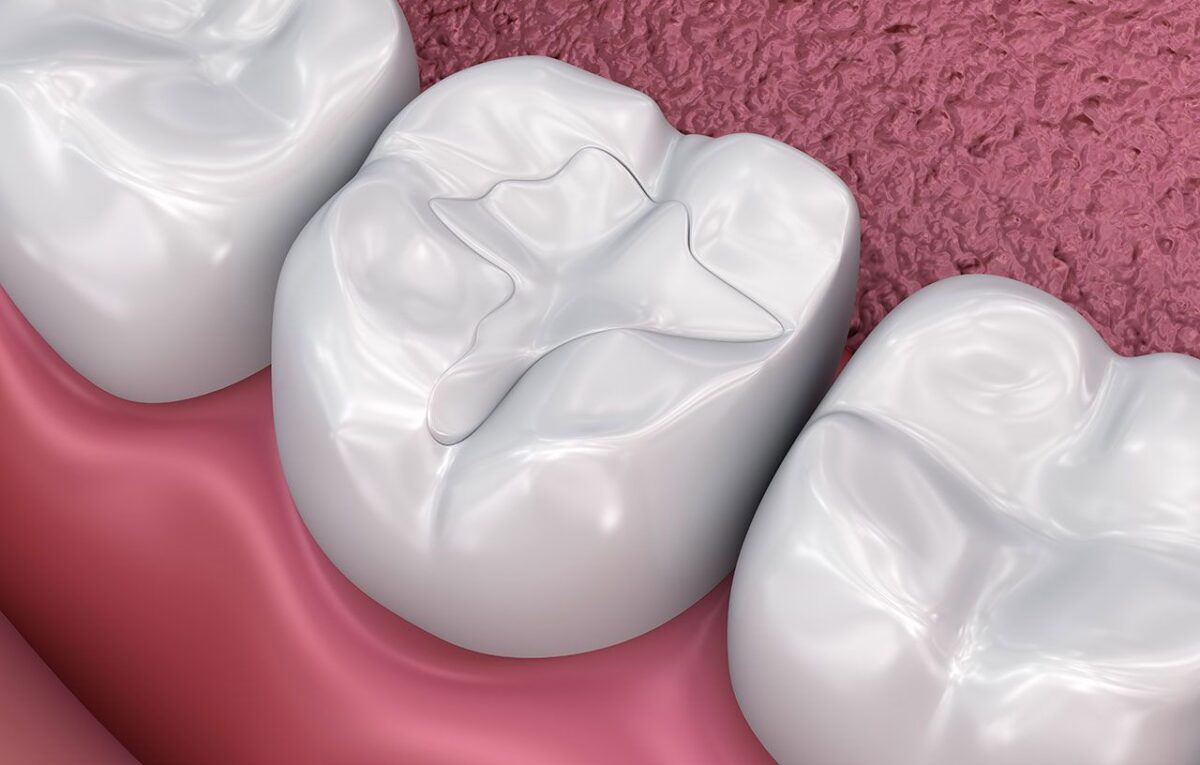
Tooth-colored fillings are made from a composite resin—a blend of tiny glass and quartz particles in a safe, tooth-friendly matrix. The material bonds to enamel and dentin, which means the dentist can preserve more healthy structure while sealing the area against future decay. Because tooth-colored fillings come in multiple shades, the final result is virtually invisible in everyday light and in photos.

Tooth-colored fillings work well for new cavities, small chips, and replacing old, worn fillings. They can also close tiny gaps or smooth a rough edge on a front tooth as part of a conservative smile upgrade.

Why Cavities Happen (and How Fillings Help)


Cavities form when acid from plaque bacteria softens the outer enamel. Sugary snacks, frequent sipping, dry mouth, and crowded teeth can speed things up. Once decay breaks through enamel, it spreads more quickly in the softer inner layer. Tooth-colored fillings remove the softened area and replace it with a bonded material that restores shape and strength. The bond helps support the surrounding enamel and stops food and bacteria from collecting in the same spot again.

The Tooth-Colored Filling Process


1) Numbing and comfort check.


Your comfort comes first. A gentle anesthetic keeps the area numb while we work. Many small fillings can even be done with minimal discomfort.


2) Decay removal and cleaning.


Only the damaged portion is removed. The tooth is rinsed and prepared so the filling will bond securely.


3) Layered placement.


The tooth-colored filling material is placed in small layers. Each layer is shaped and light-cured to achieve strength without bubbles or voids.


4) Sculpting and polishing.


The final surface is smoothed to match your natural contours and bite. You leave with a tooth that looks and feels like your own.


How Long Do Tooth-Colored Fillings Last?


With good home care and routine dental visits, tooth-colored fillings can last many years. Lifespan depends on the size and location of the filling, your bite, and habits like clenching or chewing ice. Small fillings in low-stress areas may last a decade or more. If a tooth-colored filling ever chips or wears, it can be repaired or replaced quickly and comfortably.

Safety and Sensitivity


Tooth-colored fillings are metal-free and mercury-free. Most patients love how natural they look and feel. Mild, temporary sensitivity to cold is common for a few days after treatment, especially with deeper fillings. Using a desensitizing toothpaste and avoiding ice-cold drinks at first usually helps. If sensitivity lingers, your dentist can adjust your bite or evaluate for other causes.

Tooth-Colored Fillings vs. Silver Fillings


Amalgam (silver) fillings have been used for generations and are still serviceable in certain situations. However, tooth-colored fillings offer several advantages many patients prefer:

  • Bonded strength.


    Because they bond, tooth-colored fillings often require less drilling and help support remaining enamel.


  • Natural appearance.


    They blend with your tooth shade, so there’s no gray hue in photos or when you laugh.


  • Versatility.


    Tooth-colored fillings can repair chips and reshape edges on front teeth with excellent polish and shine.


  • Temperature comfort.


    Many people find tooth-colored fillings feel less sensitive to hot and cold after they settle in.


Your dentist will explain the best material for each tooth. Often, tooth-colored fillings are a great first choice for small to medium repairs across the mouth.

Benefits of Tooth-Colored Fillings (Based on Professional Sources)


Clinical and professional guidelines highlight several benefits of modern bonded restorations:

  • Conservation of tooth structure.


    Bonding allows smaller preparations, preserving healthy enamel and dentin.


  • Sealed margins.


    Proper technique reduces microleakage and helps keep bacteria out.


  • Aesthetics and confidence.


    Shade-matching creates a natural look that encourages consistent oral care.


  • Repairability.


    Tooth-colored fillings can be touched up or added to without removing the entire restoration.


  • Compatibility with gums.


    Smooth, polished surfaces are gentle to surrounding tissue and easy to keep clean.


These points reflect what professional material consistently notes: when placed with good technique, tooth-colored fillings are reliable, attractive, and kind to teeth.

Tips to Prevent New Cavities Around Fillings


  • Brush twice daily


    with fluoride toothpaste to strengthen enamel.


  • Floss or use water flossers


    to clean where toothbrush bristles can’t reach.


  • Rinse after snacks


    and limit frequent sipping on sweet drinks.


  • Chew sugar-free gum


    to boost saliva if your mouth feels dry.


  • Schedule cleanings


    so your dental team can spot changes early and polish away plaque around the edges.


Replacing Old Fillings—When and Why


Old fillings don’t last forever. Signs that a filling may need attention include rough edges, dark shadows at the margins, or food catching in the same spot. X-rays and an exam help decide if repair or replacement is best. When an old silver restoration is large or the tooth shows cracks, a stronger solution—like an onlay or a crown—might be recommended instead of another filling.

Frequently Asked Questions


“Will people notice my filling?”


Tooth-colored fillings are shade-matched, so they blend with the tooth. In photos and everyday conversation, they’re virtually invisible.


“Can I eat right away?”


You can eat once the numbness wears off. Start with softer foods and chew on the other side until full feeling returns.


“Do tooth-colored fillings stain?”


The polished surface resists stains well. Avoiding tobacco and rinsing after dark drinks helps keep the edges bright.


“What if I grind my teeth?”


Small fillings usually do fine with a nightguard for protection. If several teeth show wear, your dentist may suggest strengthening key areas with onlays or crowns.


Annapolis-Ready Smiles


From busy workdays to weekends on the water, you need teeth that handle it all without extra fuss. Tooth-colored fillings fit that lifestyle: quick visits, comfortable repairs, and results that look like you never had a cavity in the first place. It’s practical dentistry that protects your smile while keeping your confidence high.


Tooth-colored fillings offer a reliable fix for small to medium cavities and everyday chips. They blend beautifully, bond securely, and help you maintain more natural tooth structure—exactly what most people want from modern care. When you choose a dentist who values detail and comfort, the repair feels simple, looks seamless, and lasts.

One more tip: schedule your exam if it’s been a while—early repairs are smaller, faster, and more comfortable.


If you’re noticing a sensitive spot or you’ve been told you need a small repair, let’s handle it before it turns into a bigger job. Call


Aria Dental of Annapolis at 410-280-5370


or stop by


1610 West St Ste 202, Annapolis, MD 21401


to


book an appointment


and find out how tooth-colored fillings can keep your smile strong and camera-ready.


Dental Crowns: Strong, Beautiful Protection for Damaged Teeth

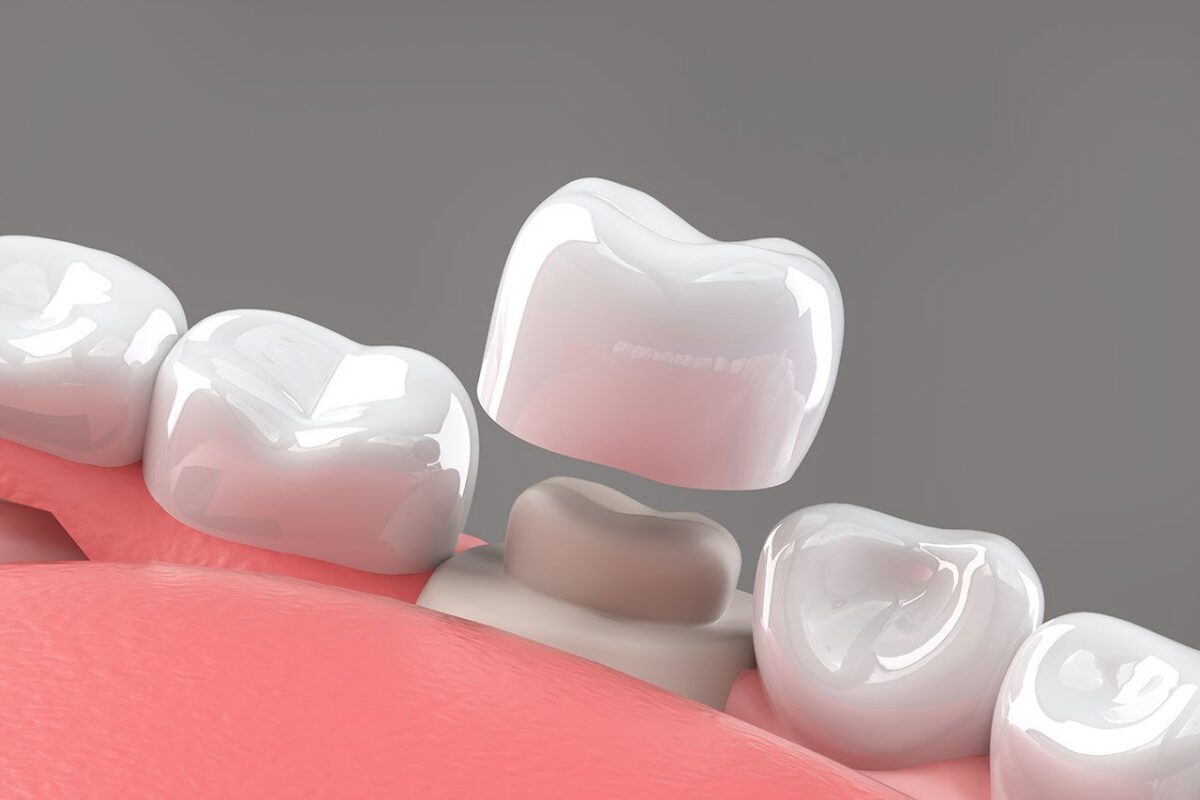
Teeth work hard—biting, chewing, and smiling through every season of life. When a tooth cracks, wears down, or needs extra support after a root canal, dental crowns step in like a protective helmet with a natural look. A crown covers the visible part of the tooth, restores shape and strength, and blends with surrounding teeth so you can eat, speak, and smile with confidence. At Aria Dental of Annapolis, dental crowns are planned with both durability and style in mind—because function matters, and so does the look you bring to every conversation.

When Do Dental Crowns Make Sense?


Dental crowns are recommended in several common situations:

  • Large cavities or failing fillings.


    When decay or an old filling leaves a tooth weak, dental crowns protect what’s left.


  • Cracked or worn teeth.


    Heavy bite forces, clenching, or years of use can create fractures or flatten cusps; a crown stabilizes the tooth.


  • After root canal therapy.


    Once infection is cleared, a crown reinforces the tooth so it can handle daily chewing.


  • Broken cusps or chips.


    When a chunk breaks away, dental crowns rebuild the original contour and function.


  • Cosmetic concerns.


    For teeth with deep discoloration or irregular shape, a crown can deliver a complete refresh when veneers or bonding aren’t ideal.


The goal is simple: preserve your natural tooth whenever possible and give it a long, useful life.

What Are Dental Crowns Made Of?


Materials have improved dramatically, and you have choices. Your dentist considers the tooth’s location, your bite, and your goals before recommending an option:

  • All-ceramic (zirconia or lithium disilicate).


    Strong, metal-free, and highly aesthetic. Great for front teeth and many back teeth.


  • Porcelain-fused-to-metal (PFM).


    A long-standing option that balances strength with a natural appearance.


  • Full metal (gold).


    Ultra-durable and gentle on opposing teeth; often chosen for molars where appearance is less critical.


Modern ceramics let many patients enjoy the best of both worlds—strength and beauty—without the gray line that older metal-based crowns sometimes showed near the gumline.

The Dental Crown Process, Step by Step


1) Diagnosis and planning.


A careful exam, photos, and sometimes a 3D scan help map what the tooth needs. If decay is present, it’s cleaned out first. The plan always centers on saving as much healthy structure as possible.


2) Shaping and impressions.


The tooth is shaped so the crown will seat snugly without adding bulk. Impressions or digital scans capture the exact contours for the lab to build your custom crown.


3) Temporary crown.


A temporary crown protects your tooth while the final one is crafted. It’s important to avoid sticky foods and chew gently on that side until the permanent crown is placed.


4) Try-in and cementation.


Your new crown is checked for fit, contact, and color. Small adjustments ensure a natural bite and seamless blend. Once everything looks and feels right, the crown is cemented and polished.


Will My Dental Crown Look Natural?


Yes—today’s materials and shade guides make it possible to match surrounding teeth closely. Layered ceramics can mimic enamel’s gentle translucency, and the shape can be sculpted to mirror your smile’s unique rhythm. For front teeth, photos and sometimes a custom shade appointment with the lab help ensure the best result. You shouldn’t notice your crown day to day; it should simply do its job and look like it belongs.

How Long Do Dental Crowns Last?


With good home care and regular cleanings, dental crowns often last 10–15 years, and many last longer. Longevity depends on habits—avoiding ice chewing, wearing a nightguard if you clench, and flossing around the margins. The tooth underneath still needs care; brushing and flossing keep the edges clean and the gums healthy.

Everyday Care Tips That Make a Difference


  • Brush twice daily


    with a soft brush; focus on the gumline around your crown.


  • Floss or use interdental cleaners


    to remove plaque where your brush can’t reach.


  • Skip hard objects


    like ice or popcorn kernels that can crack both natural teeth and crowns.


  • Wear a nightguard


    if you clench or grind; it protects your crown and your jaw joints.


  • Keep up with professional cleanings


    so small issues are caught early.


Dental Crowns vs. Onlays vs. Veneers


If the damage is moderate and limited to the chewing surface, an


onlay


may be an option. It’s a custom piece that fits like a puzzle over part of the tooth and preserves more natural structure.


Veneers


change the front surface for cosmetic reasons but don’t cover full chewing forces.


Dental crowns


offer full-coverage strength when structure is compromised or after root canal therapy. Your dentist will explain which choice guards the tooth best while meeting your goals.


Benefits of Dental Crowns (Based on Professional Sources)


Evidence-based dentistry supports the benefits of well-planned crowns:

  • Protection and longevity.


    Full-coverage restorations help prevent fractures in weakened teeth.


  • Improved chewing efficiency.


    Restoring proper height and shape supports comfortable function.


  • Aesthetic restoration.


    Modern ceramics blend with natural enamel for a confident smile.


  • Gum compatibility.


    Smooth margins and proper contours support healthy, comfortable tissue.


  • Versatility.


    Dental crowns solve both restorative and cosmetic challenges in a single procedure.


These themes consistently appear across clinical literature and professional guidelines: when a tooth is compromised, the right crown can extend its useful life dramatically.

Common Questions—Answered


“Will my tooth be sensitive?”


Some patients notice mild, temporary sensitivity after preparation or while wearing the temporary crown. This fades after the final crown is placed and the bite is balanced.


“What if my crown comes off?”


Crowns rarely come loose, but if they do, keep it safe and call the office. Often it can be re-cemented the same day after the area is cleaned.


“Can I whiten a crown?”


Whitening products affect natural enamel, not ceramic. If you plan to whiten, it’s best to do so before your crown is made so the final shade matches your brighter teeth.


“Is a crown always better than a filling?”


Not always. Small to moderate cavities do well with fillings or onlays. Crowns are best when the tooth needs full-coverage protection.


Annapolis Life, Annapolis Bite


Crab feasts, weekend sails, and busy commutes—your teeth do a lot in a week. Dental crowns let you enjoy it all without worrying about a weak tooth giving way. The right restoration balances durability with nuance, so your smile looks like you and works like you need it to.

Bringing Strength and Style Together


Dental crowns offer a dependable way to rebuild teeth that have been through a lot—decay, cracks, or past dental work. With today’s materials, you don’t have to choose between strong and beautiful; you can have both. The process is precise but straightforward, and the payoff is daily comfort plus a natural look in every photo.

A final note: if you’ve been told a tooth “might crack,” don’t wait. Protecting it early with dental crowns often means fewer appointments, less discomfort, and a better long-term outlook.


Ready for a tooth that feels solid again and looks like it belongs? Call


Aria Dental of Annapolis at 410-280-5370


or visit us at


1610 West St Ste 202, Annapolis, MD 21401


to


book an appointment


and find out whether dental crowns are the right fit for your smile.