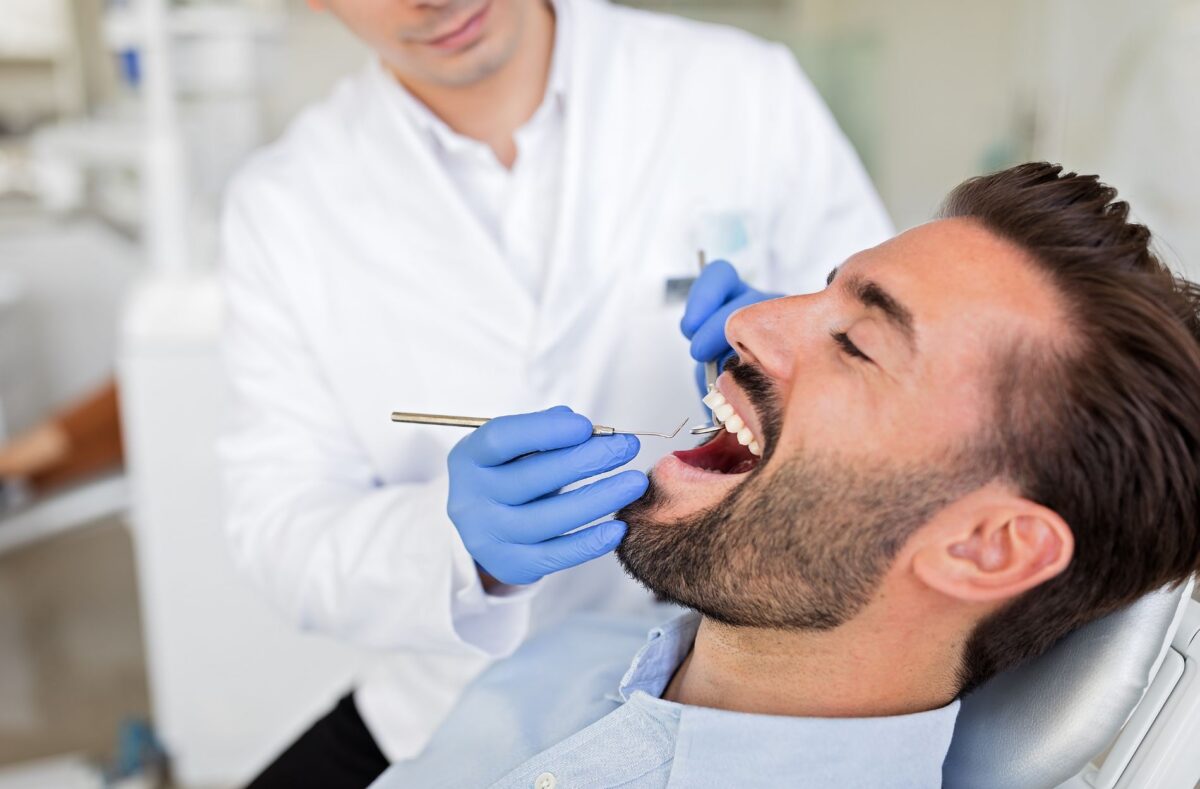
Your Path to a Confident Smile

Have you ever taken a bite of your favorite snack and felt a twinge of sensitivity that made you pause and think, “Am I really doing enough for my teeth?” We’ve all had those moments of doubt—especially when life gets busy, and oral health falls to the bottom of our to-do list. But the truth is, investing in your dental care doesn’t just brighten your smile; it helps protect your overall health. At Aria Dental of Annapolis, we believe that everyone deserves a comfortable, confident smile. In this blog, we’ll walk through the best practices for dental hygiene and help you answer the pressing question of how to keep my teeth healthy in an approachable, easy-to-follow way.

The Importance of Daily Dental Care


When it comes to caring for your mouth, there’s no substitute for a solid daily routine. Consistency is everything. Even the best products can only do so much if you’re skipping out on the basics. It’s not uncommon to think that a quick pass with the toothbrush is sufficient, but truly best practices for dental hygiene involve an intentional, thorough approach.

Brushing Technique and Frequency


  • Brush Twice a Day


    : Morning brushing removes the plaque and bacteria that have built up overnight, and brushing at night clears food particles that accumulate throughout the day.

  • Use the Right Technique


    : Gently angle your toothbrush at 45 degrees against your gums. Move it in small, circular motions rather than scrubbing back and forth. This prevents unnecessary gum irritation while ensuring plaque removal.

  • Two Minutes Is the Magic Number


    : It can be surprisingly difficult to brush for the full two minutes. Setting a timer or listening to a short song can help.

Don’t Forget to Floss


Brushing alone doesn’t reach the tight spaces between your teeth. Flossing is key to dislodging trapped food that leads to decay and gum problems. Floss at least once a day, ideally before bedtime. If you struggle with traditional floss, consider floss picks or a water flosser as convenient alternatives.

How to Keep My Teeth Healthy with a Balanced Diet


We’ve all heard that sugar is the main culprit behind cavities, but the connection between diet and oral health doesn’t stop there. Whether you’re sipping on coffee or crunching on popcorn, every choice you make affects your teeth.

Nutrient-Rich Foods


  • Calcium and Vitamin D


    : Dairy products, leafy greens, and fortified cereals help maintain strong teeth and support jawbone health.

  • Crunchy Produce


    : Munch on crisp fruits and vegetables like apples or carrots. Their natural fiber content helps scrub away plaque and stimulate saliva flow, which washes away harmful bacteria.

  • Stay Hydrated


    : Water is vital for rinsing away food particles and keeping your mouth’s pH levels balanced.

Limit Sugary and Acidic Foods


Frequent exposure to sugar or acidic drinks like soda can wear down enamel over time. If you can’t avoid them, try to consume these items during meals, when saliva production is higher and can help neutralize acidity. Even better—follow up with a glass of water to rinse away lingering sugars.

Professional Dental Check-Ins and Cleanings


Plaque can harden into tartar, which is extremely difficult to remove without specialized tools. Regular cleaning appointments allow your dental professionals to catch potential issues—like tiny cavities or early gum inflammation—before they become serious (and painful) problems.

Benefits of Scheduling Regular Dental Visits


According to the American Dental Association, seeing a dentist at least twice a year is crucial for maintaining strong, healthy teeth. Here’s why patients should have regular dental check-ins:

  • Early Detection


    : Dentists spot problems like tooth decay, gum disease, and even oral cancer in their initial stages, when treatment is more likely to be successful.

  • Deep Cleaning


    : No matter how diligent you are with home care, professional cleanings remove stubborn tartar and brighten your smile.

  • Tailored Advice


    : Your dentist can recommend toothpastes, mouthwashes, or other targeted products that address your unique needs—like sensitive teeth or dry mouth.

Common Myths About Oral Health


Separating myth from fact is key to developing best practices for dental hygiene that actually work. Let’s debunk a few common myths:

  1. “If My Teeth Don’t Hurt, I Don’t Have a Problem”


    Issues like tooth decay and gum disease can progress silently. By the time you feel pain, the problem could be much more advanced. Regular check-ups are vital for staying ahead of issues.

  2. “Flossing Is Optional”


    Flossing might seem like an extra step, but it’s a must for dislodging food and plaque your toothbrush can’t reach. If standard floss is tricky, ask about alternatives like floss picks or water flossers.

  3. “Mouthwash Can Replace Brushing”


    While mouthwash can help kill bacteria and freshen breath, it doesn’t remove plaque. Always treat mouthwash as a supplement to brushing and flossing, not a substitute.

  4. “Only Sugary Snacks Cause Cavities”


    Starchy foods like chips or bread can break down into simple sugars that feed bacteria in the mouth. Balanced meals and moderation go a long way toward protecting your enamel.

Benefits of Regular Dental Check-Ins


A cornerstone of how to keep my teeth healthy is staying on top of routine dental visits. According to a range of professional dental organizations—such as the American Dental Hygienists’ Association—regular check-ins are tied to better overall oral health outcomes. Here’s a closer look at the benefits:

  • Comprehensive Evaluations


    : Routine examinations can detect issues like gum recession, enamel erosion, or even signs of systemic diseases that manifest in your mouth.

  • Personalized Treatment Plans


    : Not everyone’s mouth is the same. Your dentist can tailor treatments based on factors such as genetics, existing fillings, or lifestyle habits (like smoking or high sugar consumption).

  • Improved Quality of Life


    : Addressing minor issues early helps prevent major procedures down the road. When your teeth feel good, you can enjoy your favorite foods without worry.

Whether you’re due for a six-month check-up or just have a lingering question about the state of your smile, Dr. Daniel and Dr. Lisa are here to help you maintain best practices for dental hygiene every step of the way.

Conclusion: Your Next Steps to a Healthier Smile


A bright, healthy smile isn’t a distant dream. It’s an attainable goal that begins with consistent daily care, a balanced diet, and regular dental visits. By following these best practices for dental hygiene, you’ll be well on your way to enjoying stronger teeth, healthier gums, and the confidence that comes with a truly vibrant smile.

At Aria Dental of Annapolis— located at 1610 West St Ste 202, Annapolis, MD 21401—we’re dedicated to helping you reach optimal oral health in the most comfortable way possible. Give us a call at 410-280-5370 to book an appointment and discover a dental experience that’s personalized, reassuring, and focused on your individual needs.

Remember: A healthier, happier smile starts with you, and we’re here to guide you every step of the way!
How to Help Teens Maintain Oral Health

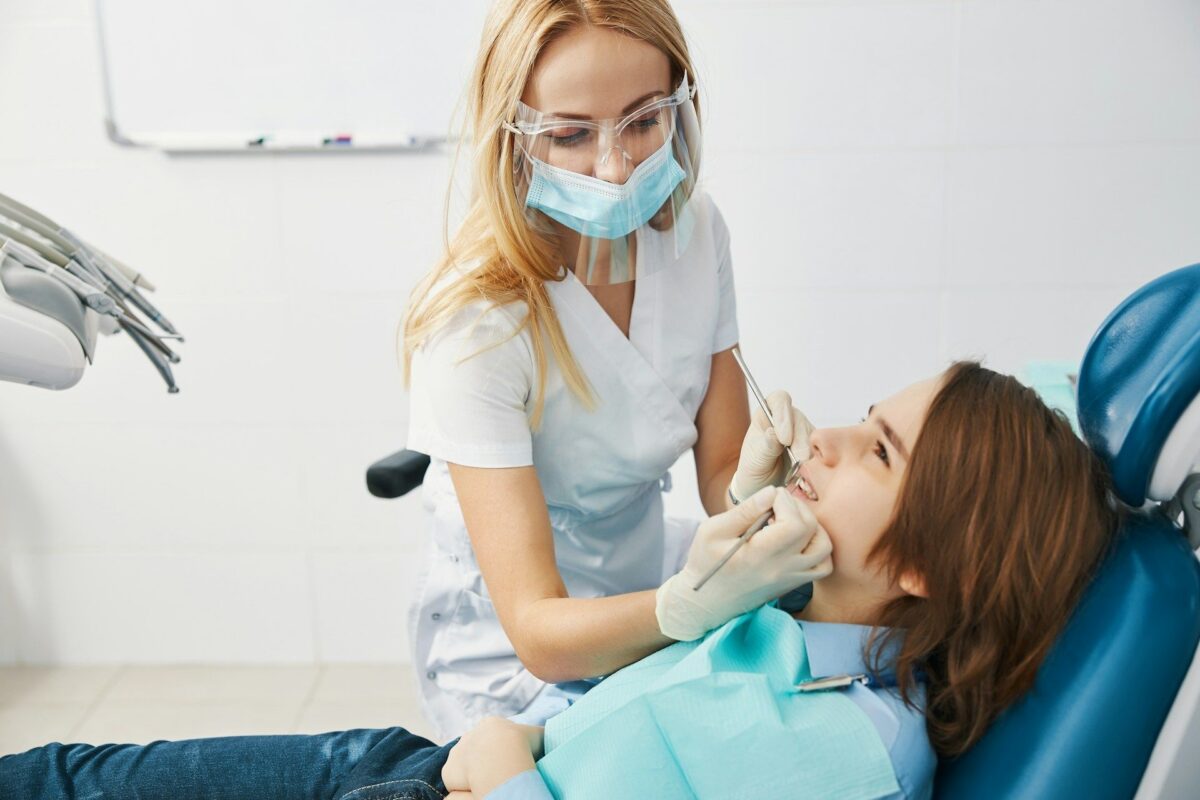
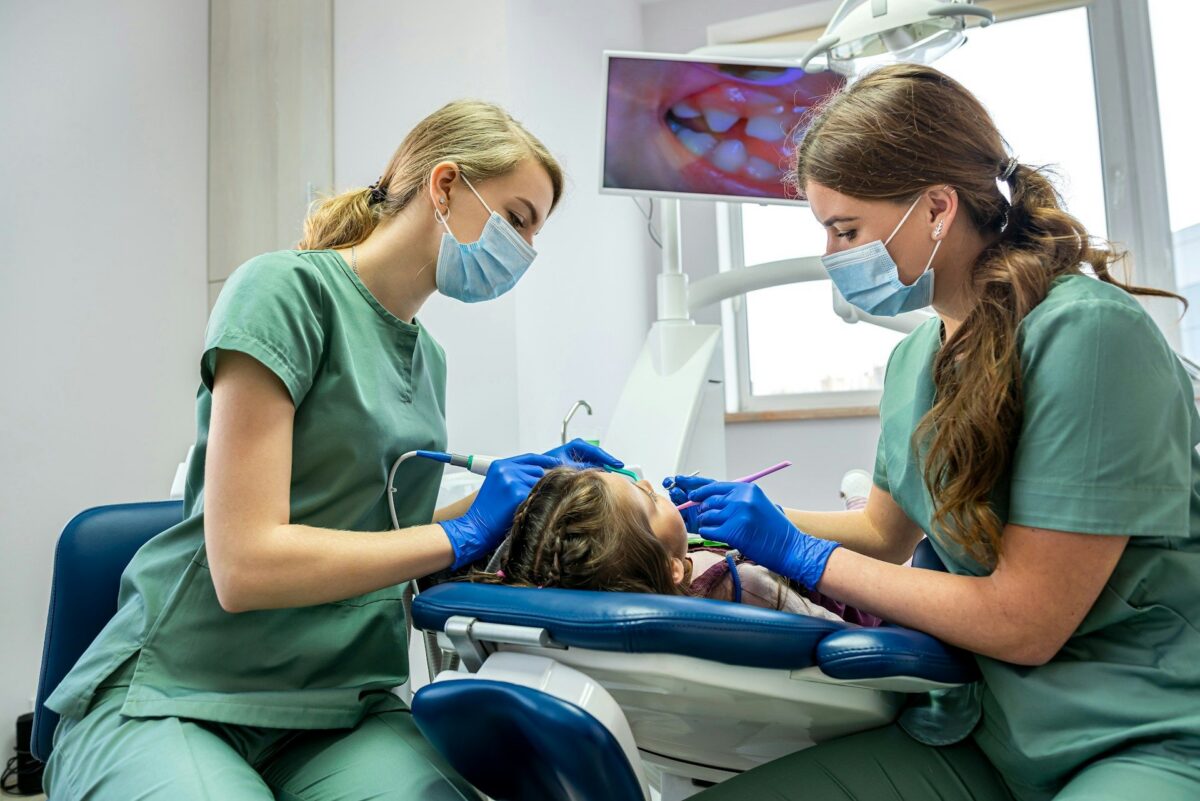
Teenagers have unique dental needs that require special attention and care. As teens grow, their oral habits can significantly impact their overall oral health. This is a time when habits are formed, including those related to taking care of their teeth and gums.


During the teen years, factors like growth spurts, braces, and wisdom teeth emerge, making dental care even more important. Helping teens understand the significance of oral health and guiding them in developing good habits can lead to a lifetime of healthy smiles.


In this article, we will discuss the essential aspects of teenage oral care. By focusing on building a simple daily routine, making smart dietary choices, and keeping up with regular dental check-ups, teens can ensure their oral health remains strong and vibrant. These steps are key to preventing issues and supporting overall well-being.

Understanding Teen Dental Needs


Teens go through many changes in their bodies, which means they also have specific oral health needs. As teenagers experience growth spurts, their mouths are no exception. The development of facial bones and the eruption of permanent teeth create a dynamic phase for dental health. These changes can make them more prone to certain dental issues, making good oral care vital at this stage.


Braces and orthodontic treatments are common among teens. These devices straighten teeth and correct misalignments. While beneficial, they require teens to take extra care with their oral hygiene. Food particles can easily get trapped around braces, leading to plaque buildup and potential cavities if not cleaned properly.


Wisdom teeth, which start appearing in the late teens or early adulthood, can lead to complications such as crowding or impaction. Keeping an eye on these developments through dental check-ups ensures that any issues are caught early and managed effectively.


Overall, teens must understand their dental needs. Knowing what to expect and how to care for their teeth during these formative years helps prevent dental problems and sets the stage for long-term oral health.

Building a Simple Oral Care Routine


Creating and maintaining a simple oral care routine can make a big difference for teens. Establishing these habits early helps ensure healthy teeth and gums for years to come. Here are some essential daily practices:


1. Brush Twice Daily:


Use a fluoride toothpaste and a soft-bristled toothbrush. Make sure to brush for two minutes, covering all surfaces of the teeth.


2. Floss Daily:


Flossing removes food particles and plaque between teeth where brushes can’t reach. It helps prevent gum disease and tooth decay.


3. Use Mouthwash:


A good mouth rinse can help remove leftover debris and kill bacteria, freshening breath and improving oral health.


To make these routines stick, it helps to incorporate them into a daily schedule. Setting reminders or aligning them with specific times, like after dinner, can aid consistency.


Make oral care fun by using flavored toothpaste or experimenting with different types of floss. Some teens may find electric toothbrushes more engaging and effective, adding a tech-savvy twist to brushing.


By adopting these habits, teens can keep their mouths clean, fresh, and healthy. Teaching them the importance of these simple steps provides a strong foundation for their oral care journey.

Nutritional Choices for Healthy Teeth


Diet plays a crucial role in maintaining healthy teeth and gums, especially during the teen years. Eating the right foods provides the nutrients needed for strong tooth enamel and healthy gum tissue. Teens should focus on a balanced diet to support their oral health.


Foods rich in calcium, like milk, cheese, and yogurt, contribute to strong teeth. They help protect enamel by providing essential minerals. Crunchy fruits and vegetables, such as apples and carrots, act like natural toothbrushes. They help remove plaque while stimulating saliva production, which neutralizes acids in the mouth.


It’s best to minimize sugary snacks and drinks, as they can lead to cavities. Instead, opt for healthier options like nuts, cheese sticks, and fresh fruit. Drinking plenty of water is also important. It keeps the mouth hydrated and helps rinse away particles that could cause decay.


By making smart food choices, teens can significantly boost their oral health. Encouraging them to be mindful of their diet not only benefits their teeth but also supports their overall well-being.

The Importance of Regular Dental Check-Ups


Regular dental check-ups are vital for teens to maintain good oral health. These visits allow dentists to catch issues early and provide necessary treatments. Routine check-ups help prevent cavities, gum disease, and other oral problems before they become serious.


During a typical dental appointment, the dentist will examine the teen’s teeth, gums, and mouth. They may take X-rays to check for hidden issues like cavities between teeth or impacted wisdom teeth. Cleanings remove plaque and tartar buildup, which helps prevent decay and gum disease.


Teens should visit the dentist every six months or as recommended. Preparing for an appointment means ensuring some basic oral hygiene. It can help manage nerves about the visit by discussing any questions or concerns with the dentist.


By understanding what to expect and why these appointments matter, teens are more likely to keep their dental health in check. Encouraging regular visits helps ensure that their teeth and gums stay healthy through their growing years.

Conclusion


Helping teens maintain good oral health is crucial for their overall well-being. By understanding their unique dental needs and encouraging regular care, it sets them on a positive path for the future. Nutritional choices shape their oral environment, while simple routines keep their smiles healthy and bright.


Regular dental check-ups play an essential role in monitoring oral health and catching potential issues early. Supporting teens in making these healthy choices is key to instilling lifelong habits. At Aria Dental of Annapolis, we understand the importance of a supportive and nurturing environment for dental care.


Are you ready to help your teen take charge of their oral health journey? Schedule an appointment with Aria Dental of Annapolis today and let us provide expert guidance tailored to your teen’s needs. Our


Annapolis dental clinic


is here to ensure your family gets the best care for healthy, confident smiles that last a lifetime.


How to Help Teens Maintain Oral Health

Teenagers have unique dental needs that require special attention and care. As teens grow, their oral habits can significantly impact their overall oral health. This is a time when habits are formed, including those related to taking care of their teeth and gums.


During the teen years, factors like growth spurts, braces, and wisdom teeth emerge, making dental care even more important. Helping teens understand the significance of oral health and guiding them in developing good habits can lead to a lifetime of healthy smiles.


In this article, we will discuss the essential aspects of teenage oral care. By focusing on building a simple daily routine, making smart dietary choices, and keeping up with regular dental check-ups, teens can ensure their oral health remains strong and vibrant. These steps are key to preventing issues and supporting overall well-being.

Understanding Teen Dental Needs


Teens go through many changes in their bodies, which means they also have specific oral health needs. As teenagers experience growth spurts, their mouths are no exception. The development of facial bones and the eruption of permanent teeth create a dynamic phase for dental health. These changes can make them more prone to certain dental issues, making good oral care vital at this stage.


Braces and orthodontic treatments are common among teens. These devices straighten teeth and correct misalignments. While beneficial, they require teens to take extra care with their oral hygiene. Food particles can easily get trapped around braces, leading to plaque buildup and potential cavities if not cleaned properly.


Wisdom teeth, which start appearing in the late teens or early adulthood, can lead to complications such as crowding or impaction. Keeping an eye on these developments through dental check-ups ensures that any issues are caught early and managed effectively.


Overall, teens must understand their dental needs. Knowing what to expect and how to care for their teeth during these formative years helps prevent dental problems and sets the stage for long-term oral health.

Building a Simple Oral Care Routine


Creating and maintaining a simple oral care routine can make a big difference for teens. Establishing these habits early helps ensure healthy teeth and gums for years to come. Here are some essential daily practices:


1. Brush Twice Daily:


Use a fluoride toothpaste and a soft-bristled toothbrush. Make sure to brush for two minutes, covering all surfaces of the teeth.


2. Floss Daily:


Flossing removes food particles and plaque between teeth where brushes can’t reach. It helps prevent gum disease and tooth decay.


3. Use Mouthwash:


A good mouth rinse can help remove leftover debris and kill bacteria, freshening breath and improving oral health.


To make these routines stick, it helps to incorporate them into a daily schedule. Setting reminders or aligning them with specific times, like after dinner, can aid consistency.


Make oral care fun by using flavored toothpaste or experimenting with different types of floss. Some teens may find electric toothbrushes more engaging and effective, adding a tech-savvy twist to brushing.


By adopting these habits, teens can keep their mouths clean, fresh, and healthy. Teaching them the importance of these simple steps provides a strong foundation for their oral care journey.

Nutritional Choices for Healthy Teeth


Diet plays a crucial role in maintaining healthy teeth and gums, especially during the teen years. Eating the right foods provides the nutrients needed for strong tooth enamel and healthy gum tissue. Teens should focus on a balanced diet to support their oral health.


Foods rich in calcium, like milk, cheese, and yogurt, contribute to strong teeth. They help protect enamel by providing essential minerals. Crunchy fruits and vegetables, such as apples and carrots, act like natural toothbrushes. They help remove plaque while stimulating saliva production, which neutralizes acids in the mouth.


It’s best to minimize sugary snacks and drinks, as they can lead to cavities. Instead, opt for healthier options like nuts, cheese sticks, and fresh fruit. Drinking plenty of water is also important. It keeps the mouth hydrated and helps rinse away particles that could cause decay.


By making smart food choices, teens can significantly boost their oral health. Encouraging them to be mindful of their diet not only benefits their teeth but also supports their overall well-being.

The Importance of Regular Dental Check-Ups


Regular dental check-ups are vital for teens to maintain good oral health. These visits allow dentists to catch issues early and provide necessary treatments. Routine check-ups help prevent cavities, gum disease, and other oral problems before they become serious.


During a typical dental appointment, the dentist will examine the teen’s teeth, gums, and mouth. They may take X-rays to check for hidden issues like cavities between teeth or impacted wisdom teeth. Cleanings remove plaque and tartar buildup, which helps prevent decay and gum disease.


Teens should visit the dentist every six months or as recommended. Preparing for an appointment means ensuring some basic oral hygiene. It can help manage nerves about the visit by discussing any questions or concerns with the dentist.


By understanding what to expect and why these appointments matter, teens are more likely to keep their dental health in check. Encouraging regular visits helps ensure that their teeth and gums stay healthy through their growing years.

Conclusion


Helping teens maintain good oral health is crucial for their overall well-being. By understanding their unique dental needs and encouraging regular care, it sets them on a positive path for the future. Nutritional choices shape their oral environment, while simple routines keep their smiles healthy and bright.


Regular dental check-ups play an essential role in monitoring oral health and catching potential issues early. Supporting teens in making these healthy choices is key to instilling lifelong habits. At Aria Dental of Annapolis, we understand the importance of a supportive and nurturing environment for dental care.


Are you ready to help your teen take charge of their oral health journey? Schedule an appointment with Aria Dental of Annapolis today and let us provide expert guidance tailored to your teen’s needs. Our


Annapolis dental clinic


is here to ensure your family gets the best care for healthy, confident smiles that last a lifetime.


When Should My Child Get Their First Dental X-Ray?

As a parent, keeping your child’s smile healthy is a top priority. One important tool in dental care is the dental X-ray. These images allow dentists to see beyond the tooth surface and pinpoint any hidden issues, helping prevent problems before they become serious.

This article will explore the benefits of dental X-rays, age guidelines, safety protocols, and how often your child might need them. Understanding these aspects ensures your child gets the best dental care possible. This knowledge helps you make informed decisions, fostering a lifetime of healthy dental habits for your child.

Understanding the Purpose of Dental X-Rays


Dental X-rays are a crucial part of maintaining your child’s oral health. They provide a clear picture of what’s happening beneath the surface of the gums. While regular dental check-ups focus on visible aspects, X-rays uncover hidden issues that can be missed during a standard exam. These images can reveal cavities between teeth, infections in the bone, developmental abnormalities, and signs of gum disease before they become serious problems.

X-rays help prevent the worsening of dental conditions by detecting potential issues early. Early detection means treatment can start sooner, often leading to simpler and less costly procedures. For example, catching a cavity early might mean a simple filling, preventing the need for more extensive work later.

X-rays also play a vital role in planning treatments. They help dentists create accurate treatment plans by providing detailed information about teeth’ positions and roots. This is particularly important when preparing for orthodontic work, such as braces. Additionally, X-rays help track the development of adult teeth, ensuring they grow properly. Through this insight, X-rays ensure your child receives personalized dental care tailored to their specific needs.

Age Guidelines for Child Dental X-Rays


Determining when your child should have their first dental X-ray depends on several factors. Typically, children have their first X-ray between the ages of 3 and 6. This timing often coincides with the eruption of permanent teeth and can vary based on individual oral health needs.

A dentist will consider your child’s specific circumstances before recommending an X-ray. Children with a higher risk of dental issues, such as cavities or genetic conditions affecting teeth, might need X-rays earlier. On the other hand, children with low-risk factors might not need X-rays until later.

To assist in deciding when an X-ray is necessary, a dentist might look for the following:

– Signs of tooth decay or cavities

– Problems in tooth alignment or development

– History of dental issues in siblings or parents

– Past occurrences of dental pain or tooth trauma

It’s essential to talk with your dentist about your child’s dental history and any concerns you might have. This dialogue helps determine the most suitable timing for their first X-ray. By considering these factors, you can ensure your child receives appropriate care tailored to safeguard their developing teeth and gums.

Safety Measures and What to Expect


Safety is a top priority for dental X-rays for children. Dental offices use modern technology that minimizes radiation exposure, making X-rays safe for kids. Dentists take extra precautions to protect your child’s health. One such measure is the use of lead aprons and thyroid collars. These protect vital body areas from unnecessary exposure during the X-ray process.

The X-ray procedure itself is quick and simple. Before the X-ray, the dentist or assistant will position the child comfortably in the dental chair. A small digital sensor or film is placed in the child’s mouth, and the X-ray machine is adjusted appropriately. The entire process takes just a few minutes and is usually painless. Your child must stay still during the X-ray for clear images.

It’s normal for kids to feel a bit nervous about having an X-ray. Parents can help by explaining the process age-appropriately, assuring them that it doesn’t hurt. Dentists and their staff are trained to handle children’s visits carefully, ensuring the experience is as comfortable as possible. If you have concerns about the procedure, discussing them with your dentist can be helpful.

Frequency of X-Rays for Growing Children


The frequency of dental X-rays depends on each child’s needs. Generally, children with no history of dental problems may require fewer X-rays than those with ongoing issues like cavities or misaligned teeth. Routine check-ups often include X-rays every six months to a year, but this schedule can vary.

The dentist plays a key role in setting the right X-ray schedule for your child. Factors influencing this schedule can include:

– Age and stage of dental development

– History of tooth decay or orthodontic issues

– Presence of oral diseases or injuries

– Monitoring of growth patterns in jaw and teeth

Regular dental visits allow the dentist to evaluate your child’s oral health and determine when X-rays are necessary. Following the dentist’s recommendations is crucial, as they balance preventive care with minimizing radiation exposure. By keeping track of your child’s development and adjusting the frequency of X-rays as needed, you can ensure they receive the best possible care for their growing smile.

Conclusion


Understanding when and why your child might need a dental X-ray is an important part of their oral health journey. X-rays provide valuable insights essential for detecting hidden dental problems and planning effective treatments. Knowing the age guidelines and safety measures lets you make well-informed decisions about your child’s dental care.

The frequency of X-rays varies with each child’s unique dental needs and development. Partnering with a trusted dentist ensures your child gets the right amount of preventive attention to maintain optimal oral health. Regular dental check-ups and professional guidance help spot any potential issues before they become significant problems. Taking these steps supports the foundation for a strong, healthy smile that lasts a lifetime.


If you’re ready to ensure your child receives the personalized dental care they deserve, consider scheduling a visit with Aria Dental of Annapolis. Our friendly and experienced team is here to provide comprehensive dental care tailored to your child’s needs in a warm, welcoming environment. Book an appointment with our


dental office in Annapolis


today to help your child take the first step toward lifelong dental wellness.


When Should My Child Get Their First Dental X-Ray?

As a parent, keeping your child’s smile healthy is a top priority. One important tool in dental care is the dental X-ray. These images allow dentists to see beyond the tooth surface and pinpoint any hidden issues, helping prevent problems before they become serious.

This article will explore the benefits of dental X-rays, age guidelines, safety protocols, and how often your child might need them. Understanding these aspects ensures your child gets the best dental care possible. This knowledge helps you make informed decisions, fostering a lifetime of healthy dental habits for your child.

Understanding the Purpose of Dental X-Rays


Dental X-rays are a crucial part of maintaining your child’s oral health. They provide a clear picture of what’s happening beneath the surface of the gums. While regular dental check-ups focus on visible aspects, X-rays uncover hidden issues that can be missed during a standard exam. These images can reveal cavities between teeth, infections in the bone, developmental abnormalities, and signs of gum disease before they become serious problems.

X-rays help prevent the worsening of dental conditions by detecting potential issues early. Early detection means treatment can start sooner, often leading to simpler and less costly procedures. For example, catching a cavity early might mean a simple filling, preventing the need for more extensive work later.

X-rays also play a vital role in planning treatments. They help dentists create accurate treatment plans by providing detailed information about teeth’ positions and roots. This is particularly important when preparing for orthodontic work, such as braces. Additionally, X-rays help track the development of adult teeth, ensuring they grow properly. Through this insight, X-rays ensure your child receives personalized dental care tailored to their specific needs.

Age Guidelines for Child Dental X-Rays


Determining when your child should have their first dental X-ray depends on several factors. Typically, children have their first X-ray between the ages of 3 and 6. This timing often coincides with the eruption of permanent teeth and can vary based on individual oral health needs.

A dentist will consider your child’s specific circumstances before recommending an X-ray. Children with a higher risk of dental issues, such as cavities or genetic conditions affecting teeth, might need X-rays earlier. On the other hand, children with low-risk factors might not need X-rays until later.

To assist in deciding when an X-ray is necessary, a dentist might look for the following:

– Signs of tooth decay or cavities

– Problems in tooth alignment or development

– History of dental issues in siblings or parents

– Past occurrences of dental pain or tooth trauma

It’s essential to talk with your dentist about your child’s dental history and any concerns you might have. This dialogue helps determine the most suitable timing for their first X-ray. By considering these factors, you can ensure your child receives appropriate care tailored to safeguard their developing teeth and gums.

Safety Measures and What to Expect


Safety is a top priority for dental X-rays for children. Dental offices use modern technology that minimizes radiation exposure, making X-rays safe for kids. Dentists take extra precautions to protect your child’s health. One such measure is the use of lead aprons and thyroid collars. These protect vital body areas from unnecessary exposure during the X-ray process.

The X-ray procedure itself is quick and simple. Before the X-ray, the dentist or assistant will position the child comfortably in the dental chair. A small digital sensor or film is placed in the child’s mouth, and the X-ray machine is adjusted appropriately. The entire process takes just a few minutes and is usually painless. Your child must stay still during the X-ray for clear images.

It’s normal for kids to feel a bit nervous about having an X-ray. Parents can help by explaining the process age-appropriately, assuring them that it doesn’t hurt. Dentists and their staff are trained to handle children’s visits carefully, ensuring the experience is as comfortable as possible. If you have concerns about the procedure, discussing them with your dentist can be helpful.

Frequency of X-Rays for Growing Children


The frequency of dental X-rays depends on each child’s needs. Generally, children with no history of dental problems may require fewer X-rays than those with ongoing issues like cavities or misaligned teeth. Routine check-ups often include X-rays every six months to a year, but this schedule can vary.

The dentist plays a key role in setting the right X-ray schedule for your child. Factors influencing this schedule can include:

– Age and stage of dental development

– History of tooth decay or orthodontic issues

– Presence of oral diseases or injuries

– Monitoring of growth patterns in jaw and teeth

Regular dental visits allow the dentist to evaluate your child’s oral health and determine when X-rays are necessary. Following the dentist’s recommendations is crucial, as they balance preventive care with minimizing radiation exposure. By keeping track of your child’s development and adjusting the frequency of X-rays as needed, you can ensure they receive the best possible care for their growing smile.

Conclusion


Understanding when and why your child might need a dental X-ray is an important part of their oral health journey. X-rays provide valuable insights essential for detecting hidden dental problems and planning effective treatments. Knowing the age guidelines and safety measures lets you make well-informed decisions about your child’s dental care.

The frequency of X-rays varies with each child’s unique dental needs and development. Partnering with a trusted dentist ensures your child gets the right amount of preventive attention to maintain optimal oral health. Regular dental check-ups and professional guidance help spot any potential issues before they become significant problems. Taking these steps supports the foundation for a strong, healthy smile that lasts a lifetime.


If you’re ready to ensure your child receives the personalized dental care they deserve, consider scheduling a visit with Aria Dental of Annapolis. Our friendly and experienced team is here to provide comprehensive dental care tailored to your child’s needs in a warm, welcoming environment. Book an appointment with our


dental office in Annapolis


today to help your child take the first step toward lifelong dental wellness.


Quick Fixes for Bad Breath That Actually Work

Bad breath can be an embarrassing problem that affects everyone at some point. Whether it’s a morning issue or pops up after a meal, finding quick solutions is something we all want. Knowing what causes bad breath is the first step in tackling it effectively.

Bad breath can be due to a variety of reasons, such as food choices or skipping some parts of your oral care routine. Understanding these causes helps you choose the right fixes to freshen your breath quickly. Many solutions are simple and can be done at home, making them convenient when you need a fast refresh.

In this article, you’ll learn about quick remedies, from everyday items to some slight tweaks in your diet. You’ll also discover how maintaining good oral hygiene can help you keep bad breath away for good. Tackling bad breath doesn’t have to be a daunting task. Simple changes can make a noticeable difference, leaving you with a fresher, more confident smile.

Identifying the Causes of Bad Breath


Bad breath, also known as halitosis, can stem from multiple roots. Some of the most common causes include certain foods, bacteria buildup, and dry mouth. Foods like garlic and onions are famous for causing bad breath. They contain oils that are absorbed into your bloodstream, eventually affecting the air you exhale.

Another major contributor to bad breath is bacteria buildup in your mouth. When food particles remain in your mouth, bacteria feast on them and produce sulfur compounds, which cause that unpleasant odor. This is why brushing your teeth and tongue is critical in reducing bad breath.

Dry mouth, a condition where saliva production decreases, also plays a role. Saliva helps cleanse your mouth by removing particles that cause odor. Without enough saliva, dead cells build up on your tongue, gums, and cheeks, leading to bad breath.

Knowing these causes helps you address the root problem rather than just masking symptoms. Identifying the specific cause armors you with the knowledge to tackle bad breath effectively and for the long haul.

Home Remedies for Fresh Breath


There are several quick and effective home remedies you can use to freshen your breath. These simple solutions often involve items you already have at home, making them easy to integrate into your routine.

1. Brush and Floss Regularly:


Good oral hygiene removes food particles and bacteria from your mouth, which directly contribute to bad breath. Brush twice a day and floss at least once to keep your mouth clean.

2. Use a Mouthwash:


Rinsing with mouthwash can reach areas that your toothbrush might miss. Opt for an antibacterial mouthwash to eliminate germs that cause odors.

3. Chew Sugar-Free Gum:


Chewing gum increases saliva flow, which helps wash away food particles and bacteria. Choose sugar-free gum to avoid feeding any lingering bacteria.

4. Stay Hydrated:


Drinking water keeps your mouth moist and helps wash away particles that lead to bad breath. A hydrated mouth encourages the production of saliva, which naturally combats odor.

5. Eat Parsley or Mint Leaves:


These herbs contain chlorophyll, which neutralizes odors. Chewing on fresh leaves can give you a quick breath boost when needed.

These remedies are not just quick fixes; they help maintain a clean and fresh oral environment. Incorporating them into your daily routine puts you on the path to better breath and overall oral health.

Dietary Changes to Combat Bad Breath


Your diet can greatly influence the freshness of your breath. Certain foods can contribute to bad breath, while others can help in keeping it at bay. Understanding how what you eat affects your breath empowers you to make smarter dietary choices.

Foods like garlic and onions are some of the top culprits causing bad breath. They contain strong oils that enter the bloodstream and are expelled through the lungs, leading to a lingering odor. Spicy foods, sugary snacks, and beverages can also contribute to halitosis by creating an environment where harmful bacteria thrive.

To combat bad breath, focus on including these foods:

– Crunchy Fruits and Vegetables:


Apples, carrots, and celery can help by gently washing away food particles and bacteria.

– Yogurt:


Contains probiotics that help balance the bad bacteria in your mouth.

– Herbs:


Chewing on mint, parsley, or basil leaves can neutralize odors naturally.

– Green Tea:


Packed with antioxidants and antibacterial properties that improve breath quality.

Avoid sticky or sugary foods that cling to teeth and feed bacteria. Emphasizing fresh, whole foods helps dilute acids and flush out particles that contribute to bad breath.

Maintaining Oral Hygiene for Long-Term Results


Good oral hygiene practices are essential for managing and preventing bad breath over the long term. Consistent daily habits play a key role in keeping your mouth clean and fresh. Establishing and maintaining these habits can be straightforward when done regularly.

1. Brush After Meals:


Use fluoride toothpaste to remove food particles, including from your teeth and tongue. Brushing twice a day is crucial.

2. Floss Daily:


Flossing removes debris and plaque from areas your toothbrush can’t reach, preventing buildup that contributes to bad breath.

3. Use a Tongue Scraper:


Bacteria and food particles can accumulate on the tongue, producing a foul odor. Scraping your tongue helps remove these effectively.

4. Rinse with Mouthwash:


Antibacterial mouthwash can target leftover bacteria and help maintain a fresh mouth.


5. Regular Dental Check-Ups:


Scheduled cleanings and exams help catch any issues early on, ensuring your oral health stays in top shape.


Conclusion


By investing time in oral hygiene and regular dental visits, you lay the groundwork for a healthier mouth and fresh breath. If you’re ready to prioritize your oral health, Aria Dental of Annapolis is here to support you. Our


Annapolis dentist


will help ensure your smile remains bright and fresh, offering solutions tailored to your needs. Schedule your appointment today!


Quick Fixes for Bad Breath That Actually Work

Bad breath can be an embarrassing problem that affects everyone at some point. Whether it’s a morning issue or pops up after a meal, finding quick solutions is something we all want. Knowing what causes bad breath is the first step in tackling it effectively.

Bad breath can be due to a variety of reasons, such as food choices or skipping some parts of your oral care routine. Understanding these causes helps you choose the right fixes to freshen your breath quickly. Many solutions are simple and can be done at home, making them convenient when you need a fast refresh.

In this article, you’ll learn about quick remedies, from everyday items to some slight tweaks in your diet. You’ll also discover how maintaining good oral hygiene can help you keep bad breath away for good. Tackling bad breath doesn’t have to be a daunting task. Simple changes can make a noticeable difference, leaving you with a fresher, more confident smile.

Identifying the Causes of Bad Breath


Bad breath, also known as halitosis, can stem from multiple roots. Some of the most common causes include certain foods, bacteria buildup, and dry mouth. Foods like garlic and onions are famous for causing bad breath. They contain oils that are absorbed into your bloodstream, eventually affecting the air you exhale.

Another major contributor to bad breath is bacteria buildup in your mouth. When food particles remain in your mouth, bacteria feast on them and produce sulfur compounds, which cause that unpleasant odor. This is why brushing your teeth and tongue is critical in reducing bad breath.

Dry mouth, a condition where saliva production decreases, also plays a role. Saliva helps cleanse your mouth by removing particles that cause odor. Without enough saliva, dead cells build up on your tongue, gums, and cheeks, leading to bad breath.

Knowing these causes helps you address the root problem rather than just masking symptoms. Identifying the specific cause armors you with the knowledge to tackle bad breath effectively and for the long haul.

Home Remedies for Fresh Breath


There are several quick and effective home remedies you can use to freshen your breath. These simple solutions often involve items you already have at home, making them easy to integrate into your routine.

1. Brush and Floss Regularly:


Good oral hygiene removes food particles and bacteria from your mouth, which directly contribute to bad breath. Brush twice a day and floss at least once to keep your mouth clean.

2. Use a Mouthwash:


Rinsing with mouthwash can reach areas that your toothbrush might miss. Opt for an antibacterial mouthwash to eliminate germs that cause odors.

3. Chew Sugar-Free Gum:


Chewing gum increases saliva flow, which helps wash away food particles and bacteria. Choose sugar-free gum to avoid feeding any lingering bacteria.

4. Stay Hydrated:


Drinking water keeps your mouth moist and helps wash away particles that lead to bad breath. A hydrated mouth encourages the production of saliva, which naturally combats odor.

5. Eat Parsley or Mint Leaves:


These herbs contain chlorophyll, which neutralizes odors. Chewing on fresh leaves can give you a quick breath boost when needed.

These remedies are not just quick fixes; they help maintain a clean and fresh oral environment. Incorporating them into your daily routine puts you on the path to better breath and overall oral health.

Dietary Changes to Combat Bad Breath


Your diet can greatly influence the freshness of your breath. Certain foods can contribute to bad breath, while others can help in keeping it at bay. Understanding how what you eat affects your breath empowers you to make smarter dietary choices.

Foods like garlic and onions are some of the top culprits causing bad breath. They contain strong oils that enter the bloodstream and are expelled through the lungs, leading to a lingering odor. Spicy foods, sugary snacks, and beverages can also contribute to halitosis by creating an environment where harmful bacteria thrive.

To combat bad breath, focus on including these foods:

– Crunchy Fruits and Vegetables:


Apples, carrots, and celery can help by gently washing away food particles and bacteria.

– Yogurt:


Contains probiotics that help balance the bad bacteria in your mouth.

– Herbs:


Chewing on mint, parsley, or basil leaves can neutralize odors naturally.

– Green Tea:


Packed with antioxidants and antibacterial properties that improve breath quality.

Avoid sticky or sugary foods that cling to teeth and feed bacteria. Emphasizing fresh, whole foods helps dilute acids and flush out particles that contribute to bad breath.

Maintaining Oral Hygiene for Long-Term Results


Good oral hygiene practices are essential for managing and preventing bad breath over the long term. Consistent daily habits play a key role in keeping your mouth clean and fresh. Establishing and maintaining these habits can be straightforward when done regularly.

1. Brush After Meals:


Use fluoride toothpaste to remove food particles, including from your teeth and tongue. Brushing twice a day is crucial.

2. Floss Daily:


Flossing removes debris and plaque from areas your toothbrush can’t reach, preventing buildup that contributes to bad breath.

3. Use a Tongue Scraper:


Bacteria and food particles can accumulate on the tongue, producing a foul odor. Scraping your tongue helps remove these effectively.

4. Rinse with Mouthwash:


Antibacterial mouthwash can target leftover bacteria and help maintain a fresh mouth.


5. Regular Dental Check-Ups:


Scheduled cleanings and exams help catch any issues early on, ensuring your oral health stays in top shape.


Conclusion


By investing time in oral hygiene and regular dental visits, you lay the groundwork for a healthier mouth and fresh breath. If you’re ready to prioritize your oral health, Aria Dental of Annapolis is here to support you. Our


Annapolis dentist


will help ensure your smile remains bright and fresh, offering solutions tailored to your needs. Schedule your appointment today!


How to Protect Your Smile While Playing Sports

Playing sports is a great way to stay active and have fun, but it’s important to remember that protecting your smile is part of the game. No matter the sport, accidents can happen, so using the right protective gear is essential. Strong, healthy teeth mean you can enjoy your favorite activities without worries.


By being prepared with the right equipment, you can focus on playing your best and keeping your smile safe. Understanding how to maintain your gear properly ensures it stays effective, letting you enjoy sports with peace of mind.

Importance of Mouthguards


Mouthguards play a crucial role in protecting your teeth while playing sports. They provide a cushion that absorbs impact, preventing injuries to your teeth, gums, and jaw. When you’re active, unexpected hits can happen, especially in contact sports. A well-fitted mouthguard shields your smile from damage, reducing the risk of cracked teeth, broken jaws, and even concussions.


There are a few types of mouthguards to consider, each offering different benefits. Stock mouthguards are pre-formed and ready to wear but often lack the comfort and fit for adequate protection. Boil-and-bite mouthguards, on the other hand, can be softened in hot water and molded to your teeth for a customized fit, offering better protection than stock options.


Custom-fitted mouthguards, typically crafted by dental professionals, offer the best protection and comfort. They’re tailored to fit your unique dental structure and provide superior cushioning against impacts. Although they might be a bit more expensive, their protection and comfort are worth the investment. Regardless of your type, wearing a mouthguard on the field or court is essential in keeping your teeth safe.

Choosing the Right Mouthguard


Selecting the right mouthguard ensures your teeth are well-protected during sports activities. Here are some factors to consider when choosing a mouthguard:

1. Fit and Comfort


The mouthguard should fit snugly and comfortably in your mouth. It should cover your teeth and gums without restricting your ability to talk or breathe easily.

2. Durability


Look for a mouthguard made from strong materials that can withstand repeated impacts. Durability is key for ensuring your mouthguard provides lasting protection.

3. Type of Sport


Different sports require different mouth protection. Consider the level of contact in your sport and choose a mouthguard that offers the best protection for that situation.

4. Customization


Custom-fitted mouthguards from a dentist provide the best fit and protection. Tailoring the mouthguard to your teeth gives you personalized comfort and effective shielding.


Custom-fitted mouthguards are often preferred because they precisely fit your mouth. Unlike over-the-counter options, custom mouthguards consider your unique dental structure, offering better security and less chance of shifting around during play. Although they may cost more upfront, their superior fit and protection make them a worthwhile investment for dental safety. Choosing wisely ensures you have the best defense for your smile every time you play.

Additional Protective Gear


While mouthguards are essential for dental protection, other equipment can further safeguard your mouth and face when engaging in sports. Helmets and face shields are crucial in high-impact sports like football, hockey, and lacrosse. These sports involve fast movements and physical contact, making additional protection necessary to prevent injuries.


Helmets are designed to absorb shocks and protect the head, reducing the risk of concussions and facial injuries. A snug-fitting helmet protects the head and minimizes harm to the jaw and teeth. Face shields attach to helmets and serve as a barrier against flying objects or elbows during intense play, adding another layer of safety for the face and teeth.


Using a face guard can benefit sports such as basketball or wrestling, where impact is a risk, but helmets aren’t typically worn. Face guards help prevent injuries like broken noses or facial lacerations. Ensuring your protective gear fits well and is in good condition maximizes its effectiveness in guarding your smile against potential dangers.

Maintaining Your Mouthguard


Proper care of your mouthguard is essential for keeping it effective and hygienic. Here are some tips on how to maintain your mouthguard:

1. Rinse Before and After Use


Always rinse your mouthguard with cool water before and after each use to remove debris or bacteria.

2. Clean Regularly


Use a toothbrush and non-abrasive toothpaste to clean your mouthguard gently. For a deeper clean, soak it in a mouthwash solution.

3. Dry Completely


Allow your mouthguard to air dry completely before storing it. This prevents the growth of bacteria and mold.

4. Proper Storage


Store it in a ventilated case to protect it from damage and contamination. Avoid exposing your mouthguard to direct sunlight or high temperatures that could warp its shape.


Mouthguards should be replaced regularly to ensure they continue to provide proper protection. Over time, they can wear down or become misshapen, reducing their effectiveness and comfort. If you notice any tears or changes in fit, it’s time for a new one. Keeping your mouthguard in good condition helps maintain dental safety on the field.

Conclusion


Playing sports should be about having fun and staying active, not worrying about dental injuries. You can confidently enjoy your favorite activities by understanding how to protect your smile with the right equipment. Mouthguards, supported by additional protective gear like helmets and face shields, provide comprehensive protection. Regularly maintaining your mouthguard will keep it effective, securing your teeth against unexpected impacts.


Don’t let concerns about dental protection keep you from playing the sports you love. Visit Aria Dental of Annapolis to discuss how our family-oriented


dental care in Annapolis


can help keep your smile safe. Whether you need a custom-fitted mouthguard or advice on the best protective equipment, we’re here to ensure you have everything you need to protect your smile on the field.


How to Protect Your Smile While Playing Sports

Playing sports is a great way to stay active and have fun, but it’s important to remember that protecting your smile is part of the game. No matter the sport, accidents can happen, so using the right protective gear is essential. Strong, healthy teeth mean you can enjoy your favorite activities without worries.


By being prepared with the right equipment, you can focus on playing your best and keeping your smile safe. Understanding how to maintain your gear properly ensures it stays effective, letting you enjoy sports with peace of mind.

Importance of Mouthguards


Mouthguards play a crucial role in protecting your teeth while playing sports. They provide a cushion that absorbs impact, preventing injuries to your teeth, gums, and jaw. When you’re active, unexpected hits can happen, especially in contact sports. A well-fitted mouthguard shields your smile from damage, reducing the risk of cracked teeth, broken jaws, and even concussions.


There are a few types of mouthguards to consider, each offering different benefits. Stock mouthguards are pre-formed and ready to wear but often lack the comfort and fit for adequate protection. Boil-and-bite mouthguards, on the other hand, can be softened in hot water and molded to your teeth for a customized fit, offering better protection than stock options.


Custom-fitted mouthguards, typically crafted by dental professionals, offer the best protection and comfort. They’re tailored to fit your unique dental structure and provide superior cushioning against impacts. Although they might be a bit more expensive, their protection and comfort are worth the investment. Regardless of your type, wearing a mouthguard on the field or court is essential in keeping your teeth safe.

Choosing the Right Mouthguard


Selecting the right mouthguard ensures your teeth are well-protected during sports activities. Here are some factors to consider when choosing a mouthguard:

1. Fit and Comfort


The mouthguard should fit snugly and comfortably in your mouth. It should cover your teeth and gums without restricting your ability to talk or breathe easily.

2. Durability


Look for a mouthguard made from strong materials that can withstand repeated impacts. Durability is key for ensuring your mouthguard provides lasting protection.

3. Type of Sport


Different sports require different mouth protection. Consider the level of contact in your sport and choose a mouthguard that offers the best protection for that situation.

4. Customization


Custom-fitted mouthguards from a dentist provide the best fit and protection. Tailoring the mouthguard to your teeth gives you personalized comfort and effective shielding.


Custom-fitted mouthguards are often preferred because they precisely fit your mouth. Unlike over-the-counter options, custom mouthguards consider your unique dental structure, offering better security and less chance of shifting around during play. Although they may cost more upfront, their superior fit and protection make them a worthwhile investment for dental safety. Choosing wisely ensures you have the best defense for your smile every time you play.

Additional Protective Gear


While mouthguards are essential for dental protection, other equipment can further safeguard your mouth and face when engaging in sports. Helmets and face shields are crucial in high-impact sports like football, hockey, and lacrosse. These sports involve fast movements and physical contact, making additional protection necessary to prevent injuries.


Helmets are designed to absorb shocks and protect the head, reducing the risk of concussions and facial injuries. A snug-fitting helmet protects the head and minimizes harm to the jaw and teeth. Face shields attach to helmets and serve as a barrier against flying objects or elbows during intense play, adding another layer of safety for the face and teeth.


Using a face guard can benefit sports such as basketball or wrestling, where impact is a risk, but helmets aren’t typically worn. Face guards help prevent injuries like broken noses or facial lacerations. Ensuring your protective gear fits well and is in good condition maximizes its effectiveness in guarding your smile against potential dangers.

Maintaining Your Mouthguard


Proper care of your mouthguard is essential for keeping it effective and hygienic. Here are some tips on how to maintain your mouthguard:

1. Rinse Before and After Use


Always rinse your mouthguard with cool water before and after each use to remove debris or bacteria.

2. Clean Regularly


Use a toothbrush and non-abrasive toothpaste to clean your mouthguard gently. For a deeper clean, soak it in a mouthwash solution.

3. Dry Completely


Allow your mouthguard to air dry completely before storing it. This prevents the growth of bacteria and mold.

4. Proper Storage


Store it in a ventilated case to protect it from damage and contamination. Avoid exposing your mouthguard to direct sunlight or high temperatures that could warp its shape.


Mouthguards should be replaced regularly to ensure they continue to provide proper protection. Over time, they can wear down or become misshapen, reducing their effectiveness and comfort. If you notice any tears or changes in fit, it’s time for a new one. Keeping your mouthguard in good condition helps maintain dental safety on the field.

Conclusion


Playing sports should be about having fun and staying active, not worrying about dental injuries. You can confidently enjoy your favorite activities by understanding how to protect your smile with the right equipment. Mouthguards, supported by additional protective gear like helmets and face shields, provide comprehensive protection. Regularly maintaining your mouthguard will keep it effective, securing your teeth against unexpected impacts.


Don’t let concerns about dental protection keep you from playing the sports you love. Visit Aria Dental of Annapolis to discuss how our family-oriented


dental care in Annapolis


can help keep your smile safe. Whether you need a custom-fitted mouthguard or advice on the best protective equipment, we’re here to ensure you have everything you need to protect your smile on the field.


Signs You Might Need a Dental Check-Up Soon

Keeping an eye on your oral health is important for maintaining a healthy smile. Sometimes, we dismiss little signs that our mouths give us, thinking they’re not a big deal. However, these can be early indicators that you need a dental check-up sooner rather than later. It’s best to address these signs early to prevent them from developing into more serious problems.


Tooth pain, bleeding gums, and sudden changes in your mouth’s appearance are all signals that shouldn’t be ignored. These symptoms can clue you into underlying issues that might require attention from a dental professional. Identifying these signs and acting on them promptly helps ensure that your oral health stays on the right track.


While some changes might seem minor, understanding what your body is telling you safeguards your teeth and gums. By staying informed on what to look for, you can take proactive steps to address any concerns early. Knowing when to seek a dental check-up can make a big difference in your oral well-being.

Persistent Tooth Pain


Tooth pain can vary in intensity and duration, serving as a crucial signal that something’s not right. Different types of pain can point to specific dental problems. For instance, sharp, shooting pain when biting down might hint at a cavity or cracked tooth. A throbbing or constant ache could indicate an infection or abscess. Sensitivity to hot or cold foods might suggest enamel erosion or gum recession.


Here are a few common types of tooth pain and what they might mean:

  • Sharp Sensitivity:


    May point to worn tooth enamel or a cavity.

  • Throbbing Pain:


    Often linked to an infection needing immediate attention.

  • Intermittent Sharp Pain:


    Can suggest a cracked tooth.


Ignoring tooth pain could lead to more serious issues. What starts as a small cavity or minor problem can quickly develop into a larger, more painful situation that requires complex treatment. Addressing tooth pain early allows for easier and potentially less invasive treatment options.


Seek a dentist’s evaluation when experiencing tooth pain that doesn’t go away or keeps coming back. Early detection and care can prevent small problems from becoming bigger, more expensive ones.

Bleeding or Sore Gums


Gum health is a significant part of overall oral hygiene. Bleeding or sore gums can be an early warning sign of gingivitis, which, if left untreated, can develop into periodontitis, a more severe form of gum disease. You might notice redness, tenderness, swelling, or bleeding when brushing or flossing. These are all signs that your gums need attention.


Key signs of gum issues include:

  • Bleeding When Brushing/Flossing:


    A common early symptom of gum disease.

  • Red, Swollen Gums:


    Indicative of inflammation or infection.


  • Persistent Soreness:


    May signal an aggressive infection or misalignment issues.


Ignoring gum problems can lead to serious complications, including tooth loss. Gum disease can erode the supporting structures of your teeth, causing them to become loose and even fall out. It’s not just your mouth that suffers; advanced gum disease has been linked to heart disease and diabetes.


Regular dental check-ups help catch gum issues early. If you notice any bleeding or persistent soreness, it’s critical to visit your dentist. Professional cleaning and appropriate treatment can reverse early gum disease and maintain healthy gums. Reliable dental care is vital in preventing and managing gum health issues effectively.

Changes in Mouth Appearance


Changes in the appearance of your mouth can signal underlying dental issues that need attention. When you notice sudden discoloration, swelling, or other visible changes, it might be time to see your dentist. These changes could indicate various problems like infection, decay, or injury that require professional assessment.


Let’s explore some common changes:

  • Discoloration:


    Teeth turning yellow, brown, or even gray might suggest enamel erosion or staining from foods and beverages.

  • Swelling:


    Puffy cheeks or gums could result from infections or abscesses.

  • Sores or Patches:


    Unexplained sores, patches, or bumps can indicate infections or even precancerous conditions.


Ignoring these changes isn’t wise as they can escalate into more severe issues, affecting both appearance and health. Early detection helps address problems before they worsen, making treatment easier and more effective. Regular self-checks and dental visits keep you informed about the state of your oral health, allowing timely intervention when necessary.

Bad Breath That Doesn’t Go Away


Persistent bad breath can be more than just a social nuisance; it might signal deeper dental health concerns. Chronic bad breath, or halitosis, often has hidden causes that should be investigated if it lingers despite good oral hygiene.


Possible causes include:

  • Gum Disease:


    Infections create bacteria that produce unpleasant odors.


  • Tooth Decay:


    Decaying teeth can contribute to foul odor.

  • Dry Mouth:


    Lack of saliva limits the removal of food particles and bacteria.


Consult a dentist if bad breath isn’t resolved with brushing, flossing, or mouthwash. It might reflect an issue that needs professional care. Dentists can identify the root cause and provide appropriate treatment, whether it’s deep cleaning or addressing specific cavities.

Conclusion


Feeling confident about your dental health starts with knowing when to seek help. Recognizing warning signs like persistent tooth pain, gum issues, changes in appearance, and chronic bad breath is essential. Addressing these symptoms sooner rather than later ensures that minor issues don’t become major ones.


Regular dental visits play a crucial role in maintaining oral health. Professional evaluations catch problems early and keep your smile healthy. Trust in expert care to stay proactive about your dental well-being. Taking timely action means fewer complications down the line.


If you’ve noticed any signs mentioned in this article, it’s time to take action. Contact Aria Dental of Annapolis to schedule your next check-up. Our experienced


dentist in Annapolis


is ready to help ensure your dental health remains in top condition. Contact us today for a thorough assessment and peace of mind.