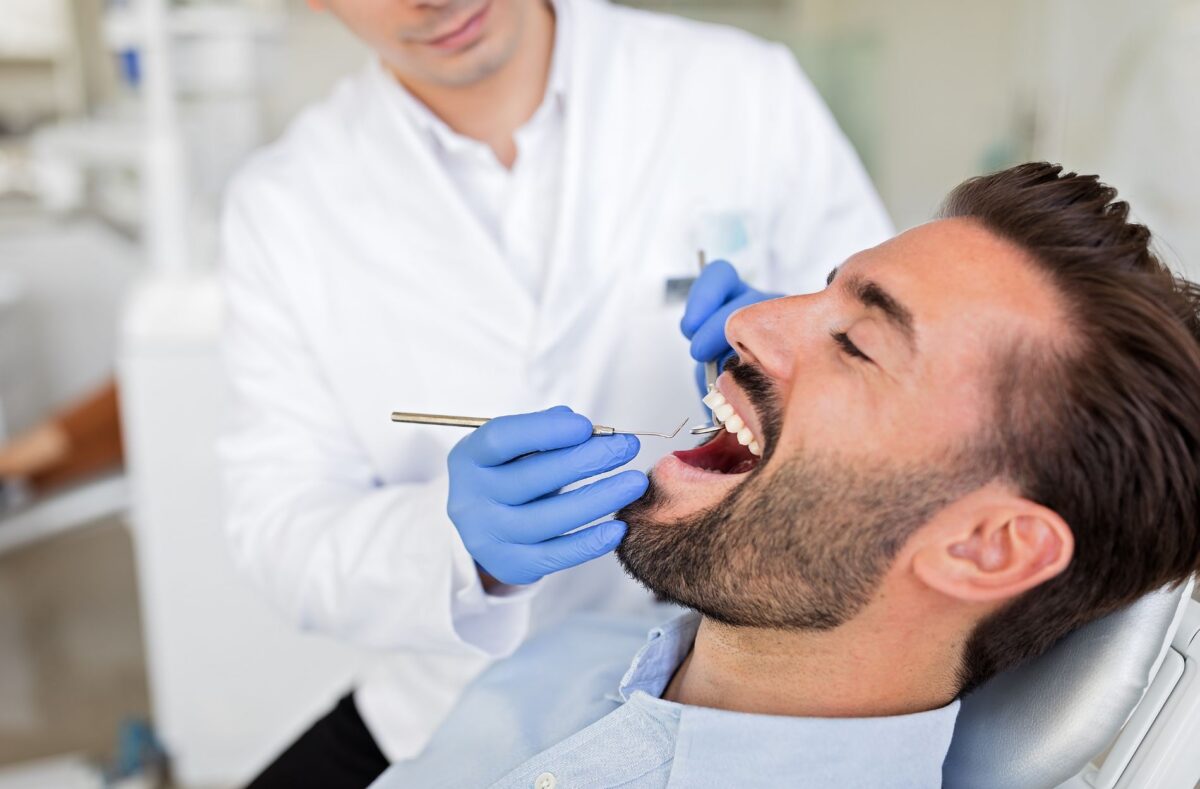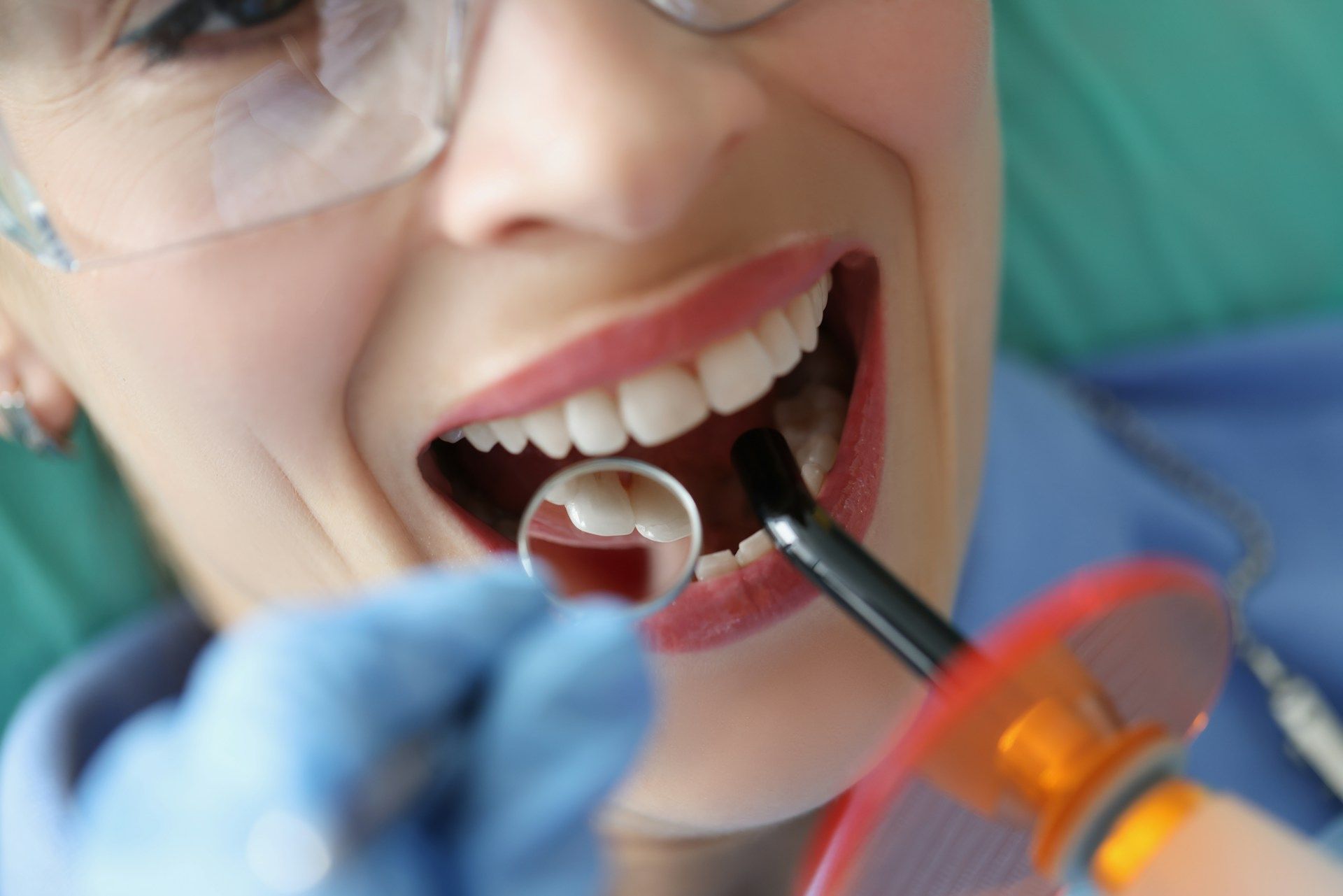
Signs You Might Need a Dental Check-Up Soon

Keeping an eye on your oral health is important for maintaining a healthy smile. Sometimes, we dismiss little signs that our mouths give us, thinking they’re not a big deal. However, these can be early indicators that you need a dental check-up sooner rather than later. It’s best to address these signs early to prevent them from developing into more serious problems.


Tooth pain, bleeding gums, and sudden changes in your mouth’s appearance are all signals that shouldn’t be ignored. These symptoms can clue you into underlying issues that might require attention from a dental professional. Identifying these signs and acting on them promptly helps ensure that your oral health stays on the right track.


While some changes might seem minor, understanding what your body is telling you safeguards your teeth and gums. By staying informed on what to look for, you can take proactive steps to address any concerns early. Knowing when to seek a dental check-up can make a big difference in your oral well-being.

Persistent Tooth Pain


Tooth pain can vary in intensity and duration, serving as a crucial signal that something’s not right. Different types of pain can point to specific dental problems. For instance, sharp, shooting pain when biting down might hint at a cavity or cracked tooth. A throbbing or constant ache could indicate an infection or abscess. Sensitivity to hot or cold foods might suggest enamel erosion or gum recession.


Here are a few common types of tooth pain and what they might mean:

  • Sharp Sensitivity:


    May point to worn tooth enamel or a cavity.

  • Throbbing Pain:


    Often linked to an infection needing immediate attention.

  • Intermittent Sharp Pain:


    Can suggest a cracked tooth.


Ignoring tooth pain could lead to more serious issues. What starts as a small cavity or minor problem can quickly develop into a larger, more painful situation that requires complex treatment. Addressing tooth pain early allows for easier and potentially less invasive treatment options.


Seek a dentist’s evaluation when experiencing tooth pain that doesn’t go away or keeps coming back. Early detection and care can prevent small problems from becoming bigger, more expensive ones.

Bleeding or Sore Gums


Gum health is a significant part of overall oral hygiene. Bleeding or sore gums can be an early warning sign of gingivitis, which, if left untreated, can develop into periodontitis, a more severe form of gum disease. You might notice redness, tenderness, swelling, or bleeding when brushing or flossing. These are all signs that your gums need attention.


Key signs of gum issues include:

  • Bleeding When Brushing/Flossing:


    A common early symptom of gum disease.

  • Red, Swollen Gums:


    Indicative of inflammation or infection.


  • Persistent Soreness:


    May signal an aggressive infection or misalignment issues.


Ignoring gum problems can lead to serious complications, including tooth loss. Gum disease can erode the supporting structures of your teeth, causing them to become loose and even fall out. It’s not just your mouth that suffers; advanced gum disease has been linked to heart disease and diabetes.


Regular dental check-ups help catch gum issues early. If you notice any bleeding or persistent soreness, it’s critical to visit your dentist. Professional cleaning and appropriate treatment can reverse early gum disease and maintain healthy gums. Reliable dental care is vital in preventing and managing gum health issues effectively.

Changes in Mouth Appearance


Changes in the appearance of your mouth can signal underlying dental issues that need attention. When you notice sudden discoloration, swelling, or other visible changes, it might be time to see your dentist. These changes could indicate various problems like infection, decay, or injury that require professional assessment.


Let’s explore some common changes:

  • Discoloration:


    Teeth turning yellow, brown, or even gray might suggest enamel erosion or staining from foods and beverages.

  • Swelling:


    Puffy cheeks or gums could result from infections or abscesses.

  • Sores or Patches:


    Unexplained sores, patches, or bumps can indicate infections or even precancerous conditions.


Ignoring these changes isn’t wise as they can escalate into more severe issues, affecting both appearance and health. Early detection helps address problems before they worsen, making treatment easier and more effective. Regular self-checks and dental visits keep you informed about the state of your oral health, allowing timely intervention when necessary.

Bad Breath That Doesn’t Go Away


Persistent bad breath can be more than just a social nuisance; it might signal deeper dental health concerns. Chronic bad breath, or halitosis, often has hidden causes that should be investigated if it lingers despite good oral hygiene.


Possible causes include:

  • Gum Disease:


    Infections create bacteria that produce unpleasant odors.


  • Tooth Decay:


    Decaying teeth can contribute to foul odor.

  • Dry Mouth:


    Lack of saliva limits the removal of food particles and bacteria.


Consult a dentist if bad breath isn’t resolved with brushing, flossing, or mouthwash. It might reflect an issue that needs professional care. Dentists can identify the root cause and provide appropriate treatment, whether it’s deep cleaning or addressing specific cavities.

Conclusion


Feeling confident about your dental health starts with knowing when to seek help. Recognizing warning signs like persistent tooth pain, gum issues, changes in appearance, and chronic bad breath is essential. Addressing these symptoms sooner rather than later ensures that minor issues don’t become major ones.


Regular dental visits play a crucial role in maintaining oral health. Professional evaluations catch problems early and keep your smile healthy. Trust in expert care to stay proactive about your dental well-being. Taking timely action means fewer complications down the line.


If you’ve noticed any signs mentioned in this article, it’s time to take action. Contact Aria Dental of Annapolis to schedule your next check-up. Our experienced


dentist in Annapolis


is ready to help ensure your dental health remains in top condition. Contact us today for a thorough assessment and peace of mind.
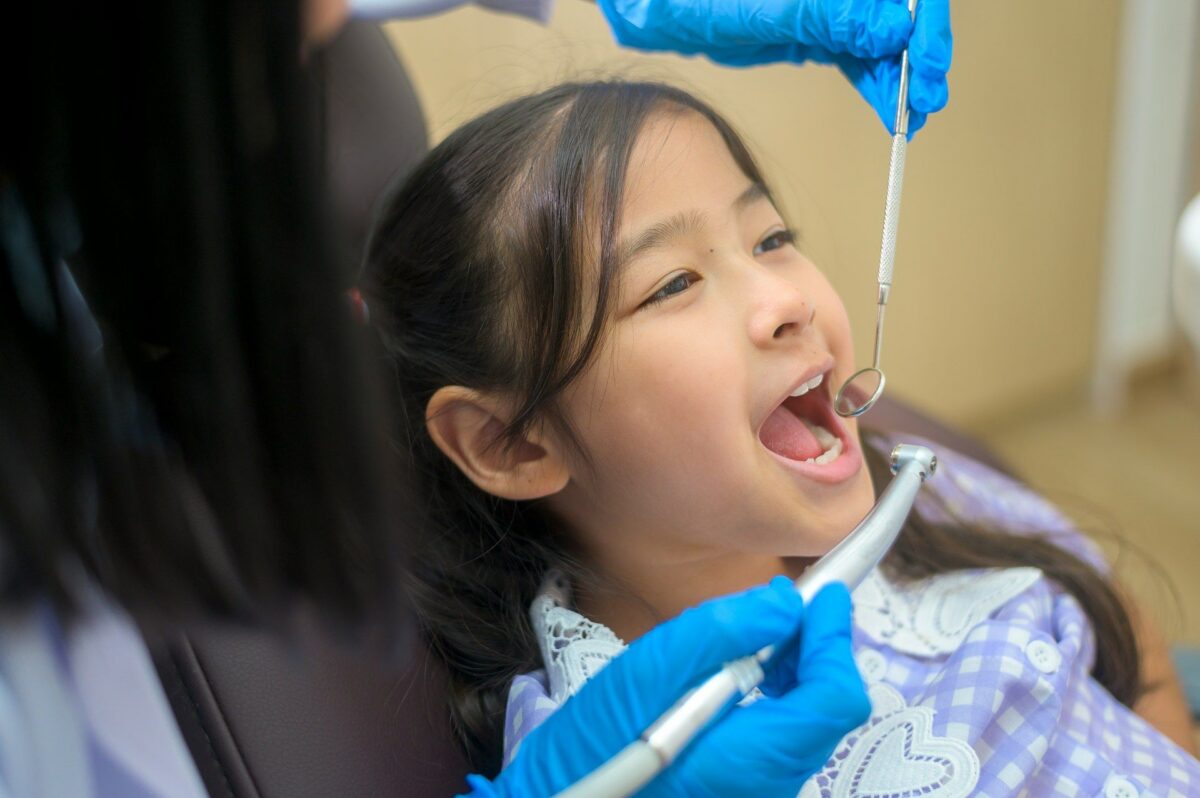


How to Make Dental Cleanings Fun for Kids

Dental cleanings can be a daunting experience for many kids. Turning these appointments into fun and engaging activities can greatly improve their attitude toward dental care. When children look forward to visiting the dentist, they are more likely to develop lifelong healthy habits.

Creating a cheerful and welcoming dental office environment plays a huge role in easing anxiety. Fun decorations and kid-friendly waiting areas help children feel comfortable and safe. Additionally, using playful language and stories can make dental procedures feel less intimidating and more like an adventure.

Incorporating reward systems and incentives encourages positive behavior during dental visits. Interactive activities that involve kids in their own oral care also contribute to a positive experience. By focusing on making dental cleanings enjoyable, we ensure that children grow to value their dental health and approach it with enthusiasm.

Create a Positive Environment


Making the dental office a kid-friendly space is essential for reducing anxiety and fear during dental visits. A positive environment is welcoming and comforting, making children feel safe and relaxed. There are several ways to create this atmosphere to put kids at ease.

First, consider the waiting area. Fill it with bright colors and playful decorations. Include a variety of toys and games to keep kids entertained. Books and interactive play areas are also great for capturing their attention and keeping them occupied. Having a lively setting helps children associate dental visits with fun rather than fear.

The staff can contribute significantly to this environment too. Friendly smiles and cheerful greetings from the moment a child enters make them feel welcome. Encourage staff to interact with kids at their level, using gentle tones and giving them their full attention. This personal connection builds trust, making the child more comfortable.

A welcoming atmosphere goes beyond just decorations and friendly faces. It involves creating an experience where a child feels valued and secure. By transforming the dental office into a warm and cheerful place, kids can develop positive associations with their visits, leading to a more enjoyable experience.

Use Playful Language and Stories


Using playful language and storytelling can demystify complex dental procedures for kids. Children understand ideas better when they’re presented in a fun, engaging way. Telling a story or using imaginative language can turn a routine check-up into an exciting adventure.

For instance, dentists can explain cavity treatments by describing the dental tools as heroic characters in a story. The dentist might say, “Our brave toothbrush hero will fight away the sugar bugs!” This turns the procedure into a battle against evil germs, making it less scary and more intriguing.

Here are a few storytelling examples to explain dental concepts:

  • Tooth Fairy Adventures:


    Describe a cleaning session as preparation for a visit from the Tooth Fairy.

  • Superhero Teeth:


    Talk about how brushing and flossing give teeth the superpowers to stay strong against cavity invaders.

  • Pirate Treasure Hunt:


    Make flossing an exciting quest to find hidden treasure between teeth.

Using these imaginative techniques makes dental health an adventure filled with heroes and quests. This approach helps kids grasp the importance of oral hygiene and understand procedures without fear. Playful language reduces anxiety and turns a trip to the dentist into a memorable and positive experience. By making dental visits entertaining, children are more likely to feel comfortable and be motivated to care for their teeth.

Reward Systems and Incentives


Implementing reward systems and incentives can transform how kids view dental visits. Rewards provide motivation and encouragement, turning a potentially stressful experience into something enjoyable and satisfying. When children know there’s a treat waiting for them, they’re more likely to cooperate and have a positive attitude about the appointment.

Rewards can be simple but effective. Consider offering:

  • Stickers or Small Toys:


    Letting kids choose a sticker or small toy after their visit makes them feel special and acknowledged for good behavior.

  • Certificate of Bravery:


    Award a fun certificate that praises their bravery during the cleaning process.


  • Sticker Charts:


    Encourage kids to earn stickers at each visit, which they can trade in for a larger prize after a certain number.

These incentives focus on reinforcing good behavior rather than bribing. However, it’s important that rewards remain meaningful but not overly extravagant. Making sure these rewards are attainable helps build a child’s confidence.

Positive reinforcement through rewards helps kids associate dental visits with pleasant outcomes. As children experience the benefits of good behavior, they develop positive feelings about maintaining dental health. This approach nurtures a sense of achievement and makes regular dental care something they look forward to.

Involve Kids in the Process


Engaging kids during dental cleanings involves them directly in their oral health care. Children are naturally curious and enjoy getting involved in activities. When they take part in the process, it empowers them and gives them a sense of control.

Interactive activities can be simple yet effective:

  • Let Them Hold a Mirror:


    Allow kids to see their teeth being cleaned in real time. This keeps them engaged and curious about what’s happening.

  • Interactive Brushing Lessons:


    Show them the proper brushing technique and ask them to mimic it with a toy toothbrush.


  • Explain the Tools:


    Give brief, fun explanations about the tools used in cleanings, likening them to instruments for adventure.


Giving children responsibilities during the cleaning helps demystify the process, reducing fear. Discussing what the dentist is doing—and why—satisfies their curiosity and makes them active participants in their health care.

When kids are involved in their dental visits, they learn the importance of taking care of their teeth. This engagement makes cleanings less intimidating and more educational, encouraging kids to be proactive about their oral hygiene.

Conclusion


Making dental cleanings fun for kids leads to a lifetime of healthy dental habits. By creating a positive environment, using playful language and stories, implementing reward systems, and involving kids in the process, dental visits become an adventure rather than a chore. These strategies help children feel engaged and eager to visit the dentist regularly.


At Aria Dental of Annapolis, we’re committed to providing family-oriented dental care that makes every child feel at home. Our gentle approach ensures that dental cleanings are comfortable and enjoyable for kids. Come see how we make dental care a joyful experience that will have your children coming back with smiles on their faces. Schedule your child’s next appointment with our


Annapolis family dentistry


and discover our welcoming approach to dental health.


How to Make Dental Cleanings Fun for Kids

Dental cleanings can be a daunting experience for many kids. Turning these appointments into fun and engaging activities can greatly improve their attitude toward dental care. When children look forward to visiting the dentist, they are more likely to develop lifelong healthy habits.

Creating a cheerful and welcoming dental office environment plays a huge role in easing anxiety. Fun decorations and kid-friendly waiting areas help children feel comfortable and safe. Additionally, using playful language and stories can make dental procedures feel less intimidating and more like an adventure.

Incorporating reward systems and incentives encourages positive behavior during dental visits. Interactive activities that involve kids in their own oral care also contribute to a positive experience. By focusing on making dental cleanings enjoyable, we ensure that children grow to value their dental health and approach it with enthusiasm.

Create a Positive Environment


Making the dental office a kid-friendly space is essential for reducing anxiety and fear during dental visits. A positive environment is welcoming and comforting, making children feel safe and relaxed. There are several ways to create this atmosphere to put kids at ease.

First, consider the waiting area. Fill it with bright colors and playful decorations. Include a variety of toys and games to keep kids entertained. Books and interactive play areas are also great for capturing their attention and keeping them occupied. Having a lively setting helps children associate dental visits with fun rather than fear.

The staff can contribute significantly to this environment too. Friendly smiles and cheerful greetings from the moment a child enters make them feel welcome. Encourage staff to interact with kids at their level, using gentle tones and giving them their full attention. This personal connection builds trust, making the child more comfortable.

A welcoming atmosphere goes beyond just decorations and friendly faces. It involves creating an experience where a child feels valued and secure. By transforming the dental office into a warm and cheerful place, kids can develop positive associations with their visits, leading to a more enjoyable experience.

Use Playful Language and Stories


Using playful language and storytelling can demystify complex dental procedures for kids. Children understand ideas better when they’re presented in a fun, engaging way. Telling a story or using imaginative language can turn a routine check-up into an exciting adventure.

For instance, dentists can explain cavity treatments by describing the dental tools as heroic characters in a story. The dentist might say, “Our brave toothbrush hero will fight away the sugar bugs!” This turns the procedure into a battle against evil germs, making it less scary and more intriguing.

Here are a few storytelling examples to explain dental concepts:

  • Tooth Fairy Adventures:


    Describe a cleaning session as preparation for a visit from the Tooth Fairy.

  • Superhero Teeth:


    Talk about how brushing and flossing give teeth the superpowers to stay strong against cavity invaders.

  • Pirate Treasure Hunt:


    Make flossing an exciting quest to find hidden treasure between teeth.

Using these imaginative techniques makes dental health an adventure filled with heroes and quests. This approach helps kids grasp the importance of oral hygiene and understand procedures without fear. Playful language reduces anxiety and turns a trip to the dentist into a memorable and positive experience. By making dental visits entertaining, children are more likely to feel comfortable and be motivated to care for their teeth.

Reward Systems and Incentives


Implementing reward systems and incentives can transform how kids view dental visits. Rewards provide motivation and encouragement, turning a potentially stressful experience into something enjoyable and satisfying. When children know there’s a treat waiting for them, they’re more likely to cooperate and have a positive attitude about the appointment.

Rewards can be simple but effective. Consider offering:

  • Stickers or Small Toys:


    Letting kids choose a sticker or small toy after their visit makes them feel special and acknowledged for good behavior.

  • Certificate of Bravery:


    Award a fun certificate that praises their bravery during the cleaning process.


  • Sticker Charts:


    Encourage kids to earn stickers at each visit, which they can trade in for a larger prize after a certain number.

These incentives focus on reinforcing good behavior rather than bribing. However, it’s important that rewards remain meaningful but not overly extravagant. Making sure these rewards are attainable helps build a child’s confidence.

Positive reinforcement through rewards helps kids associate dental visits with pleasant outcomes. As children experience the benefits of good behavior, they develop positive feelings about maintaining dental health. This approach nurtures a sense of achievement and makes regular dental care something they look forward to.

Involve Kids in the Process


Engaging kids during dental cleanings involves them directly in their oral health care. Children are naturally curious and enjoy getting involved in activities. When they take part in the process, it empowers them and gives them a sense of control.

Interactive activities can be simple yet effective:

  • Let Them Hold a Mirror:


    Allow kids to see their teeth being cleaned in real time. This keeps them engaged and curious about what’s happening.

  • Interactive Brushing Lessons:


    Show them the proper brushing technique and ask them to mimic it with a toy toothbrush.


  • Explain the Tools:


    Give brief, fun explanations about the tools used in cleanings, likening them to instruments for adventure.


Giving children responsibilities during the cleaning helps demystify the process, reducing fear. Discussing what the dentist is doing—and why—satisfies their curiosity and makes them active participants in their health care.

When kids are involved in their dental visits, they learn the importance of taking care of their teeth. This engagement makes cleanings less intimidating and more educational, encouraging kids to be proactive about their oral hygiene.

Conclusion


Making dental cleanings fun for kids leads to a lifetime of healthy dental habits. By creating a positive environment, using playful language and stories, implementing reward systems, and involving kids in the process, dental visits become an adventure rather than a chore. These strategies help children feel engaged and eager to visit the dentist regularly.


At Aria Dental of Annapolis, we’re committed to providing family-oriented dental care that makes every child feel at home. Our gentle approach ensures that dental cleanings are comfortable and enjoyable for kids. Come see how we make dental care a joyful experience that will have your children coming back with smiles on their faces. Schedule your child’s next appointment with our


Annapolis family dentistry


and discover our welcoming approach to dental health.


The Best Snacks for Healthy Teeth Your Kids Will Love

Choosing the right snacks for your kids is more than just satisfying their hunger. Snacks play a crucial role in keeping their teeth strong and healthy. While it might be tempting to grab sugary treats, these can lead to cavities and other dental issues. Instead, offering tooth-friendly snacks helps protect their smiles.

Kids love munching on tasty treats, and with a bit of creativity, you can make healthy options fun and exciting. Crunchy fruits and veggies, dairy delights, and smart alternatives to sugary snacks are perfect choices. These snacks not only nourish their bodies but also support gum and tooth health.

Creating a variety of these healthy snacks ensures that your child’s nutritional needs are met, giving them energy for their daily adventures. With the right snacks, you can teach kids the importance of good oral health habits while keeping them happy and their teeth strong. It all starts with choosing the right foods to fuel their growing bodies and protect their smiles.

The Importance of Tooth-Friendly Snacks


Snacks can play a major role in maintaining your child’s dental health. The types of snacks kids consume impact not just their energy levels but also the condition of their teeth. Frequent snacking on sugary and sticky foods can lead to cavities and tooth decay. Snacks such as candies, cookies, and sugary drinks tend to stick to teeth, creating a rich environment for bacteria. This results in the production of acid, which weakens the tooth enamel and eventually leads to cavities.

On the other hand, tooth-friendly snacks support healthy teeth and gums. They help wash away food particles and bacteria while also providing essential nutrients to strengthen your child’s teeth. Encouraging kids to choose healthier snacks reduces the chance of tooth decay and other dental issues.

To make the right choices, it’s important to know which snacks to avoid and which ones to embrace. Here are some common snack culprits that can jeopardize dental health:

– Sugary Candies and Gummies:


Highly sticky and get lodged between teeth.


– Cookies and Cakes:


Often high in sugar, contributing to plaque buildup.

– Sugary Drinks and Soda:


High acidity that can erode tooth enamel.

– Potato Chips:


Starch that tends to stay stuck in the teeth.


Choosing tooth-friendly options leads to healthier smiles and reduces oral health risks. Healthy snacks serve not only as a source of essential nutrients but also as a natural way to clean your child’s teeth throughout the day.

Crunchy Fruits and Vegetables


Crunchy fruits and vegetables make for excellent tooth-friendly snacks. The natural crunchiness acts like a mild abrasive, helping to scrub away food particles and plaque from teeth surfaces. These snacks are not just fun to eat, but they also actively contribute to oral hygiene between brushings.

Here are some examples of crunchy fruits and veggies that can naturally clean teeth:

– Apples:


Often called “nature’s toothbrush,” apples stimulate gums and boost saliva production, reducing bacteria levels in the mouth.

– Carrots:


Packed with fiber and vitamins, carrots encourage saliva flow, which washes away food debris.

– Celery:


With its fibrous texture, celery gently scrubs teeth and massages gums.

– Pears:


The natural sweetness is offset by high water content, helping dilute sugars and clean the mouth.

These snacks are high in fiber, which is beneficial for both dental health and digestion. Additionally, they are rich in essential vitamins like vitamin C, which strengthens gums, and vitamin A, which is vital for maintaining healthy tooth enamel. By incorporating these crunchy treats into your child’s diet, you can enhance their oral health and keep their teeth clean and strong. Choosing these natural snacks supports dental hygiene and teaches kids the value of nutritious eating habits.

Dairy Delights for Strong Teeth


Dairy products are fantastic for promoting strong, healthy teeth in kids. Foods like cheese and yogurt contain calcium and phosphorus, both of which are essential for building and strengthening tooth enamel. These minerals help restore and maintain the hardness of tooth enamel, protecting teeth from acids and bacteria.

Cheese is a particularly beneficial snack. It stimulates saliva production, which helps wash away food particles and maintain the mouth’s pH balance. Saliva acts as a natural defense against cavities by neutralizing acids. Yogurt is also a great choice, providing probiotics that help maintain healthy levels of good bacteria in the mouth while supporting digestive health.

For kids with lactose sensitivities or milk allergies, there are lactose-friendly or non-dairy alternatives available. These include:

– Almond Milk Yogurt:


Fortified with calcium and often free from lactose, making it easier to digest.

– Lactose-Free Cheese:


Offers the benefits of regular cheese without the lactose.


– Soy Milk and Products:


Typically fortified with calcium, providing similar benefits to dairy.

Incorporating these dairy delights into your child’s snack routine maintains strong teeth and keeps their smile healthy. These nutritious options are both safe and beneficial, offering essential nutrients to support overall dental health.

Nutritious Alternatives to Sugary Snacks


Finding nutritious alternatives to sugary snacks can be both fun and rewarding. Switching from sweets to healthier options reduces cavities and promotes better oral health. Many snacks can satisfy a sweet tooth without causing harm to teeth.

Consider these healthy, sweet alternatives:

– Nuts and Seeds:


Almonds and sunflower seeds provide healthy fats and proteins while being naturally low in sugar.

– Unsweetened Applesauce:


A smooth and naturally sweet option that contains no added sugar.


– Dried Fruits with No Added Sugar:


Offer sweetness with the benefit of fiber, though they should be eaten in moderation to avoid stickiness.


Try these creative snack combinations:

– Nut Butters with Fruits:


Spread peanut butter on apple slices for a sweet and satisfying snack.


– Yogurt with Fresh Berries:


Top plain yogurt with strawberries or blueberries for a tasty treat.

– Cheese with Whole Grain Crackers:


A great mix of textures and flavors that kids will enjoy.

Choosing these nutritious alternatives supports good oral habits while still giving your kids the tasty snacks they crave. Encouraging better options helps them develop a lifelong appreciation for healthy eating.

Conclusion


Choosing the right snacks plays a significant role in promoting your child’s dental health. From crunchy fruits and vegetables to dairy delights and nutritious alternatives, each choice can support healthy teeth and gums. These snacks not only serve their nutritional needs but ensure the health of their growing smiles. By providing a variety of tooth-friendly options, you set the foundation for a lifetime of good oral habits.


As you incorporate these healthy snack ideas, remember that regular dental check-ups are just as important. At Aria Dental of Annapolis, we are here to support your child’s oral health journey. Schedule a visit with our


Annapolis dentist


to see how our friendly team can help keep your child’s smile strong and bright.


The Best Snacks for Healthy Teeth Your Kids Will Love

Choosing the right snacks for your kids is more than just satisfying their hunger. Snacks play a crucial role in keeping their teeth strong and healthy. While it might be tempting to grab sugary treats, these can lead to cavities and other dental issues. Instead, offering tooth-friendly snacks helps protect their smiles.

Kids love munching on tasty treats, and with a bit of creativity, you can make healthy options fun and exciting. Crunchy fruits and veggies, dairy delights, and smart alternatives to sugary snacks are perfect choices. These snacks not only nourish their bodies but also support gum and tooth health.

Creating a variety of these healthy snacks ensures that your child’s nutritional needs are met, giving them energy for their daily adventures. With the right snacks, you can teach kids the importance of good oral health habits while keeping them happy and their teeth strong. It all starts with choosing the right foods to fuel their growing bodies and protect their smiles.

The Importance of Tooth-Friendly Snacks


Snacks can play a major role in maintaining your child’s dental health. The types of snacks kids consume impact not just their energy levels but also the condition of their teeth. Frequent snacking on sugary and sticky foods can lead to cavities and tooth decay. Snacks such as candies, cookies, and sugary drinks tend to stick to teeth, creating a rich environment for bacteria. This results in the production of acid, which weakens the tooth enamel and eventually leads to cavities.

On the other hand, tooth-friendly snacks support healthy teeth and gums. They help wash away food particles and bacteria while also providing essential nutrients to strengthen your child’s teeth. Encouraging kids to choose healthier snacks reduces the chance of tooth decay and other dental issues.

To make the right choices, it’s important to know which snacks to avoid and which ones to embrace. Here are some common snack culprits that can jeopardize dental health:

– Sugary Candies and Gummies:


Highly sticky and get lodged between teeth.


– Cookies and Cakes:


Often high in sugar, contributing to plaque buildup.

– Sugary Drinks and Soda:


High acidity that can erode tooth enamel.

– Potato Chips:


Starch that tends to stay stuck in the teeth.


Choosing tooth-friendly options leads to healthier smiles and reduces oral health risks. Healthy snacks serve not only as a source of essential nutrients but also as a natural way to clean your child’s teeth throughout the day.

Crunchy Fruits and Vegetables


Crunchy fruits and vegetables make for excellent tooth-friendly snacks. The natural crunchiness acts like a mild abrasive, helping to scrub away food particles and plaque from teeth surfaces. These snacks are not just fun to eat, but they also actively contribute to oral hygiene between brushings.

Here are some examples of crunchy fruits and veggies that can naturally clean teeth:

– Apples:


Often called “nature’s toothbrush,” apples stimulate gums and boost saliva production, reducing bacteria levels in the mouth.

– Carrots:


Packed with fiber and vitamins, carrots encourage saliva flow, which washes away food debris.

– Celery:


With its fibrous texture, celery gently scrubs teeth and massages gums.

– Pears:


The natural sweetness is offset by high water content, helping dilute sugars and clean the mouth.

These snacks are high in fiber, which is beneficial for both dental health and digestion. Additionally, they are rich in essential vitamins like vitamin C, which strengthens gums, and vitamin A, which is vital for maintaining healthy tooth enamel. By incorporating these crunchy treats into your child’s diet, you can enhance their oral health and keep their teeth clean and strong. Choosing these natural snacks supports dental hygiene and teaches kids the value of nutritious eating habits.

Dairy Delights for Strong Teeth


Dairy products are fantastic for promoting strong, healthy teeth in kids. Foods like cheese and yogurt contain calcium and phosphorus, both of which are essential for building and strengthening tooth enamel. These minerals help restore and maintain the hardness of tooth enamel, protecting teeth from acids and bacteria.

Cheese is a particularly beneficial snack. It stimulates saliva production, which helps wash away food particles and maintain the mouth’s pH balance. Saliva acts as a natural defense against cavities by neutralizing acids. Yogurt is also a great choice, providing probiotics that help maintain healthy levels of good bacteria in the mouth while supporting digestive health.

For kids with lactose sensitivities or milk allergies, there are lactose-friendly or non-dairy alternatives available. These include:

– Almond Milk Yogurt:


Fortified with calcium and often free from lactose, making it easier to digest.

– Lactose-Free Cheese:


Offers the benefits of regular cheese without the lactose.


– Soy Milk and Products:


Typically fortified with calcium, providing similar benefits to dairy.

Incorporating these dairy delights into your child’s snack routine maintains strong teeth and keeps their smile healthy. These nutritious options are both safe and beneficial, offering essential nutrients to support overall dental health.

Nutritious Alternatives to Sugary Snacks


Finding nutritious alternatives to sugary snacks can be both fun and rewarding. Switching from sweets to healthier options reduces cavities and promotes better oral health. Many snacks can satisfy a sweet tooth without causing harm to teeth.

Consider these healthy, sweet alternatives:

– Nuts and Seeds:


Almonds and sunflower seeds provide healthy fats and proteins while being naturally low in sugar.

– Unsweetened Applesauce:


A smooth and naturally sweet option that contains no added sugar.


– Dried Fruits with No Added Sugar:


Offer sweetness with the benefit of fiber, though they should be eaten in moderation to avoid stickiness.


Try these creative snack combinations:

– Nut Butters with Fruits:


Spread peanut butter on apple slices for a sweet and satisfying snack.


– Yogurt with Fresh Berries:


Top plain yogurt with strawberries or blueberries for a tasty treat.

– Cheese with Whole Grain Crackers:


A great mix of textures and flavors that kids will enjoy.

Choosing these nutritious alternatives supports good oral habits while still giving your kids the tasty snacks they crave. Encouraging better options helps them develop a lifelong appreciation for healthy eating.

Conclusion


Choosing the right snacks plays a significant role in promoting your child’s dental health. From crunchy fruits and vegetables to dairy delights and nutritious alternatives, each choice can support healthy teeth and gums. These snacks not only serve their nutritional needs but ensure the health of their growing smiles. By providing a variety of tooth-friendly options, you set the foundation for a lifetime of good oral habits.


As you incorporate these healthy snack ideas, remember that regular dental check-ups are just as important. At Aria Dental of Annapolis, we are here to support your child’s oral health journey. Schedule a visit with our


Annapolis dentist


to see how our friendly team can help keep your child’s smile strong and bright.


Best Snacks for Healthy Teeth Your Kids Will Love

Snacking is a big part of childhood, and choosing the right snacks is important for keeping your child’s teeth healthy. While the options may seem endless, not all snacks are good for your little one’s teeth. Sugary and sticky snacks can lead to cavities and tooth decay, which is why it’s a great idea to opt for healthier alternatives.


In this article, we’ll explore why focusing on snacks supporting dental health is crucial. We’ll also share plenty of kid-approved snack ideas that are low in sugar and high in nutrients. These snacks can help keep your child’s smile bright and healthy for years to come.

Why Healthy Snacks Matter for Your Child’s Teeth


Choosing healthy snacks for your children is key to their overall well-being and dental health. Healthy snacks play a big role in preventing cavities and maintaining strong teeth. Sugary and sticky foods can lead to tooth decay, so offering snacks less likely to cause harm is essential.


When kids consume sugary or starchy snacks, the sugar interacts with natural bacteria in the mouth to form acid. This acid can eat away at tooth enamel, leading to cavities over time. By choosing healthier options, you can reduce the risk of this acid attack.


Calcium-rich snacks, like cheese and yogurt, help strengthen teeth. These foods provide essential nutrients that support the development of strong teeth and bones. Foods that require chewing, such as fresh fruits and vegetables, can also promote good oral health. Chewing increases saliva production, which helps wash away food particles and neutralizes acid in the mouth.


Encouraging healthier snacks is not just about healthier teeth; it teaches children the importance of balanced nutrition. Making smart snack choices early on can set the stage for lifelong healthy eating habits. It’s much easier to prevent dental issues than to treat them later. By focusing on healthy snacks, you’re helping your child maintain a healthy smile and overall good health.

Top Snack Choices That Promote Strong Teeth


There are plenty of snacks that can keep your child’s teeth strong while still satisfying their taste buds. These snacks are not only nutritious but also fun to eat. Here’s a list of tooth-friendly snacks your kids will love:


1. Cheese and Yogurt:


These are packed with calcium and other nutrients that support strong teeth. Cheese also stimulates saliva production, which helps clean the mouth.


2. Crunchy Fruits:


Apples, pears, and bananas make for sweet treats that are good for teeth. Crunchy fruits help scrub away plaque from teeth as your child eats.


3. Vegetables:


Carrot sticks, celery, and bell peppers are satisfying and full of fiber. Veggies stimulate saliva flow, which is important for maintaining a healthy mouth.


4. Nuts and Seeds:


Almonds and sunflower seeds are great protein and healthy fats sources. Just ensure they’re unsalted to avoid unnecessary sodium.


5. Whole-Grain Snacks:


Whole-grain crackers and rice cakes offer fiber and energy, making them a better choice than refined grains.


These snacks offer a mix of flavors and textures that keep kids interested while supporting good oral health. Keeping a variety of these around can make it easier to avoid less healthy options. You can mix and match these snacks to create delicious combinations that keep snack time exciting.

Avoiding Sugary and Sticky Snacks


It’s important to steer clear of snacks that are high in sugar and tend to stick to teeth. These types of snacks can increase the risk of cavities and other dental problems. Sugary snacks feed the bacteria in the mouth, leading to acid production that can wear down tooth enamel over time.


Sticky snacks are problematic because they cling to teeth, making it harder for saliva to wash them away. Bacteria have more time to produce harmful acids when sugar sticks around too long. Snacks to watch out for include chewy candies, fruit roll-ups, and sugary granola bars.


Instead of these options, encourage your child to choose snacks that are less likely to stick and easier to clean off the teeth. Teaching your child about the effects of these foods on their teeth can help them make better decisions. Explain how these snacks can lead to trips to the dentist due to cavities and discomfort later on.


Being mindful of what your child eats can greatly affect their dental health. By avoiding sugary and sticky snacks, you can help them maintain a healthier mouth and smile, reducing dental issues as they grow.

Tips for Introducing Healthy Snacks to Kids


Introducing new snacks can be challenging, especially if your child is used to sugary treats. But with the right approach, you can make the transition easier and even fun. Here are some tips for getting kids excited about healthier snacks:


1. Make It Fun:


Present snacks creatively. Cut fruits and veggies into fun shapes, or arrange them in colorful patterns. Making food visually appealing can spark your child’s interest.


2. Offer Choices:


Let your child choose from a variety of healthy options. Kids like feeling in control, so giving them the power to pick can encourage them to try new things.


3. Get Them Involved:


Involve your child in snack preparation. Let them wash fruits, spread peanut butter, or arrange veggies on a plate. When kids help make snacks, they’re more likely to eat them.


4. Be a Role Model:


Show your child that you enjoy healthy snacks too. Kids often mimic adults, so if they see you choosing and enjoying nutritious snacks, they might want to follow suit.


5. Introduce Gradually:


Introduce new snacks one at a time. Gradual changes give your child time to get used to new flavors and textures without feeling overwhelmed.


Trying these tips can help you create positive habits in your child’s eating routine. With some patience and creativity, you can successfully introduce healthy snacks your kids will love.


Conclusion


Healthy snacking is a key component of maintaining good oral health and overall well-being for your child. By choosing snacks that are low in sugar and high in nutrients, you’re not only promoting strong teeth but also teaching valuable dietary habits. It’s important to avoid snacks that contribute to dental issues, like sugary and sticky foods, and instead offer alternatives that benefit their oral hygiene.


If you want personalized advice on improving your child’s dental health through better snacking habits, contact Aria Dental of Annapolis. We are here to guide you and your family with gentle dental care and informative support. Schedule an appointment with our


dentist in Annapolis


to learn how we can contribute to your family’s journey towards a healthier smile!


Best Snacks for Healthy Teeth Your Kids Will Love

Snacking is a big part of childhood, and choosing the right snacks is important for keeping your child’s teeth healthy. While the options may seem endless, not all snacks are good for your little one’s teeth. Sugary and sticky snacks can lead to cavities and tooth decay, which is why it’s a great idea to opt for healthier alternatives.


In this article, we’ll explore why focusing on snacks supporting dental health is crucial. We’ll also share plenty of kid-approved snack ideas that are low in sugar and high in nutrients. These snacks can help keep your child’s smile bright and healthy for years to come.

Why Healthy Snacks Matter for Your Child’s Teeth


Choosing healthy snacks for your children is key to their overall well-being and dental health. Healthy snacks play a big role in preventing cavities and maintaining strong teeth. Sugary and sticky foods can lead to tooth decay, so offering snacks less likely to cause harm is essential.


When kids consume sugary or starchy snacks, the sugar interacts with natural bacteria in the mouth to form acid. This acid can eat away at tooth enamel, leading to cavities over time. By choosing healthier options, you can reduce the risk of this acid attack.


Calcium-rich snacks, like cheese and yogurt, help strengthen teeth. These foods provide essential nutrients that support the development of strong teeth and bones. Foods that require chewing, such as fresh fruits and vegetables, can also promote good oral health. Chewing increases saliva production, which helps wash away food particles and neutralizes acid in the mouth.


Encouraging healthier snacks is not just about healthier teeth; it teaches children the importance of balanced nutrition. Making smart snack choices early on can set the stage for lifelong healthy eating habits. It’s much easier to prevent dental issues than to treat them later. By focusing on healthy snacks, you’re helping your child maintain a healthy smile and overall good health.

Top Snack Choices That Promote Strong Teeth


There are plenty of snacks that can keep your child’s teeth strong while still satisfying their taste buds. These snacks are not only nutritious but also fun to eat. Here’s a list of tooth-friendly snacks your kids will love:


1. Cheese and Yogurt:


These are packed with calcium and other nutrients that support strong teeth. Cheese also stimulates saliva production, which helps clean the mouth.


2. Crunchy Fruits:


Apples, pears, and bananas make for sweet treats that are good for teeth. Crunchy fruits help scrub away plaque from teeth as your child eats.


3. Vegetables:


Carrot sticks, celery, and bell peppers are satisfying and full of fiber. Veggies stimulate saliva flow, which is important for maintaining a healthy mouth.


4. Nuts and Seeds:


Almonds and sunflower seeds are great protein and healthy fats sources. Just ensure they’re unsalted to avoid unnecessary sodium.


5. Whole-Grain Snacks:


Whole-grain crackers and rice cakes offer fiber and energy, making them a better choice than refined grains.


These snacks offer a mix of flavors and textures that keep kids interested while supporting good oral health. Keeping a variety of these around can make it easier to avoid less healthy options. You can mix and match these snacks to create delicious combinations that keep snack time exciting.

Avoiding Sugary and Sticky Snacks


It’s important to steer clear of snacks that are high in sugar and tend to stick to teeth. These types of snacks can increase the risk of cavities and other dental problems. Sugary snacks feed the bacteria in the mouth, leading to acid production that can wear down tooth enamel over time.


Sticky snacks are problematic because they cling to teeth, making it harder for saliva to wash them away. Bacteria have more time to produce harmful acids when sugar sticks around too long. Snacks to watch out for include chewy candies, fruit roll-ups, and sugary granola bars.


Instead of these options, encourage your child to choose snacks that are less likely to stick and easier to clean off the teeth. Teaching your child about the effects of these foods on their teeth can help them make better decisions. Explain how these snacks can lead to trips to the dentist due to cavities and discomfort later on.


Being mindful of what your child eats can greatly affect their dental health. By avoiding sugary and sticky snacks, you can help them maintain a healthier mouth and smile, reducing dental issues as they grow.

Tips for Introducing Healthy Snacks to Kids


Introducing new snacks can be challenging, especially if your child is used to sugary treats. But with the right approach, you can make the transition easier and even fun. Here are some tips for getting kids excited about healthier snacks:


1. Make It Fun:


Present snacks creatively. Cut fruits and veggies into fun shapes, or arrange them in colorful patterns. Making food visually appealing can spark your child’s interest.


2. Offer Choices:


Let your child choose from a variety of healthy options. Kids like feeling in control, so giving them the power to pick can encourage them to try new things.


3. Get Them Involved:


Involve your child in snack preparation. Let them wash fruits, spread peanut butter, or arrange veggies on a plate. When kids help make snacks, they’re more likely to eat them.


4. Be a Role Model:


Show your child that you enjoy healthy snacks too. Kids often mimic adults, so if they see you choosing and enjoying nutritious snacks, they might want to follow suit.


5. Introduce Gradually:


Introduce new snacks one at a time. Gradual changes give your child time to get used to new flavors and textures without feeling overwhelmed.


Trying these tips can help you create positive habits in your child’s eating routine. With some patience and creativity, you can successfully introduce healthy snacks your kids will love.


Conclusion


Healthy snacking is a key component of maintaining good oral health and overall well-being for your child. By choosing snacks that are low in sugar and high in nutrients, you’re not only promoting strong teeth but also teaching valuable dietary habits. It’s important to avoid snacks that contribute to dental issues, like sugary and sticky foods, and instead offer alternatives that benefit their oral hygiene.


If you want personalized advice on improving your child’s dental health through better snacking habits, contact Aria Dental of Annapolis. We are here to guide you and your family with gentle dental care and informative support. Schedule an appointment with our


dentist in Annapolis


to learn how we can contribute to your family’s journey towards a healthier smile!


Why Dental Cleanings Are Important for Adults

Dental cleanings are not just for keeping your smile bright. Regular cleanings are crucial for maintaining overall health. Many adults think they can skip these appointments, but that can lead to serious problems. A professional dental cleaning helps prevent common issues like cavities and gum disease. It also gives the dentist a chance to spot signs of other health problems early.

When you visit your dentist for a cleaning, you are doing more than just cleaning your teeth. The dentist or hygienist removes plaque and tartar build-up that you can’t get rid of with regular brushing and flossing. They also check for signs of oral cancer and other health issues. These appointments are vital for catching small problems before they become big ones.

Skipping dental cleanings can lead to more than just bad breath or yellow teeth. It can result in severe dental issues that impact your overall health, from heart disease to diabetes. Understanding the importance of these cleanings and how to care for your teeth between visits can make a big difference. Taking care of your mouth is an important part of taking care of your whole body.

Regular dental cleanings lay the groundwork for a healthier lifestyle. In this article, we’ll explore the many benefits of these cleanings, what to expect during your appointment, and why it’s risky to skip them. We’ll also share tips for maintaining good dental health between visits.

The Health Benefits of Regular Dental Cleanings


Preventing Cavities and Gum Disease


One of the most important benefits of regular dental cleanings is preventing cavities and gum disease. Plaque, a sticky film of bacteria, constantly forms on our teeth. If not removed, it can harden into tartar, which leads to cavities. Professional cleanings get rid of plaque and tartar buildup that you can’t remove at home. Cleanings also help prevent gum disease, which can result in gum inflammation, tooth loss, and other severe conditions if left untreated.

Detecting Oral Cancer Early


Dental cleanings are also critical for early detection of oral cancer. During your cleaning, your dentist or hygienist will check your mouth for any signs of oral cancer. Early detection is key to successful treatment. Regular visits ensure that any unusual changes or symptoms are spotted as soon as possible. This proactive approach can make all the difference when it comes to your health.

Reducing the Risk of Heart Disease and Diabetes


There is a strong link between oral health and overall health. Poor dental hygiene can increase the risk of heart disease and diabetes. Bacteria from gum infections can enter your bloodstream and affect your heart. Similarly, gum disease can complicate diabetes management. Regular dental cleanings help keep your mouth healthy, reducing these risks. A clean and healthy mouth supports a healthy body.

What Happens During a Dental Cleaning


Steps of a Professional Cleaning


A typical dental cleaning involves several steps. First, the hygienist will use a small mirror to check your teeth and gums for any signs of problems. Next, they will use special tools to remove plaque and tartar from your teeth, especially around the gum line. Polishing follows to remove any stains and make your teeth shine. Finally, they may apply a fluoride treatment to help protect your teeth until your next visit.

Tools and Techniques Used by Dental Hygienists


Dental hygienists use a variety of tools and techniques to clean your teeth. Ultrasonic scalers may be used to break up big chunks of tartar. Hand scalers help clean smaller areas. After scaling, a gritty toothpaste and an electric brush polish your teeth. Sometimes, flossing is done to remove any leftover debris. Hygiene tools are designed to clean thoroughly and safely, leaving your mouth feeling fresh.

What to Expect During the Visit


At the start of your visit, the hygienist will discuss any concerns you have and review your dental history. They will then proceed with the cleaning process. You might feel some pressure or slight discomfort, but the cleaning should not be painful. Throughout the visit, the hygienist offers tips on maintaining oral health at home. After the cleaning, your dentist will check in to ensure everything looks good and address any issues. Regular dental cleanings are essential for keeping your teeth and gums in top shape.

Why Skipping Dental Cleanings Is Risky


Accumulation of Plaque and Tartar


When you skip dental cleanings, plaque and tartar build up on your teeth and gums. Plaque is a sticky film of bacteria that can harden into tartar if not removed. Tartar is much harder to clean off and can only be removed by a dentist or hygienist. Accumulated plaque and tartar can lead to cavities and gum disease. Regular cleanings keep them in check, preventing these problems from escalating.

Potential for Severe Dental Problems


Missing dental cleanings increases the risk of serious dental problems. Cavities can develop into tooth decay that might require a filling, crown, or even a root canal. Gum disease, if untreated, can lead to tooth loss. These severe problems can cause pain, difficulty eating, and big dental bills. Staying on top of your cleanings helps avoid these issues and keeps your mouth healthy.

Impact on Overall Health


Skipping dental appointments affects more than just your teeth. Poor oral health can have a significant impact on your overall well-being. Gum infections and decay can lead to infections that spread to other parts of your body. There is a link between oral health and heart disease, diabetes, and even respiratory infections. Regular dental cleanings help maintain your overall health by keeping your mouth healthy and free from harmful bacteria.

Maintaining Dental Health Between Cleanings


Importance of Daily Oral Hygiene Habits


Taking care of your teeth and gums doesn’t stop at the dentist’s office. Daily habits are crucial for maintaining your dental health between cleanings. Brushing your teeth at least twice a day with fluoride toothpaste and flossing daily helps remove plaque and food particles. These routines prevent cavities and keep your gums healthy. Consistent oral hygiene habits make your dental cleanings more effective.

Recommended Products for At-Home Care


Using the right products can make a big difference in your oral care routine. Choose a soft-bristled toothbrush that fits your mouth comfortably. Replace it every three months or when the bristles fray. Fluoride toothpaste is important as it helps strengthen your teeth and prevent decay. Consider using an antimicrobial mouthwash to reduce plaque and freshen your breath. Dental floss or interdental cleaners help clean between your teeth where your toothbrush can’t reach.

Tips for a Healthy Diet and Lifestyle to Support Oral Health


A healthy diet and lifestyle play a vital role in maintaining oral health. Limit sugary and acidic foods and drinks, as they can contribute to tooth decay. Foods high in vitamins and minerals, like leafy greens, dairy products, and lean proteins, support healthy teeth and gums. Drinking plenty of water helps wash away food particles and bacteria. Avoid smoking and reduce alcohol consumption, as these habits can harm your oral health. A balanced diet and a healthy lifestyle support the benefits of your dental cleanings.

Conclusion


Regular dental cleanings are essential for maintaining both your oral and overall health. They help prevent cavities and gum disease, detect oral cancer early, and even reduce the risk of heart disease and diabetes. During cleanings, dental hygienists use specialized tools to remove plaque and tartar, polish your teeth, and provide preventive treatments like fluoride. These appointments are not just about keeping your teeth clean; they are critical for catching potential health problems early.

Skipping dental cleanings can lead to severe dental problems, including cavity progression, gum disease, and tooth loss. These issues don’t just stay in your mouth. They can affect your overall health, leading to more serious conditions. Maintaining good oral hygiene between cleanings by brushing, flossing, and using the right products, along with a healthy diet, supports a lifetime of good oral health.


Make oral health a priority. If you’re due for a dental cleaning or want to ensure your teeth and gums are in great shape, contact us at Aria Dental of Annapolis. Our


dental office in Annapolis, MD


, is dedicated to providing gentle, family-oriented dental care. Schedule your appointment today and take the first step toward a healthier smile!

Why Dental Cleanings Are Important for Adults

Dental cleanings are not just for keeping your smile bright. Regular cleanings are crucial for maintaining overall health. Many adults think they can skip these appointments, but that can lead to serious problems. A professional dental cleaning helps prevent common issues like cavities and gum disease. It also gives the dentist a chance to spot signs of other health problems early.

When you visit your dentist for a cleaning, you are doing more than just cleaning your teeth. The dentist or hygienist removes plaque and tartar build-up that you can’t get rid of with regular brushing and flossing. They also check for signs of oral cancer and other health issues. These appointments are vital for catching small problems before they become big ones.

Skipping dental cleanings can lead to more than just bad breath or yellow teeth. It can result in severe dental issues that impact your overall health, from heart disease to diabetes. Understanding the importance of these cleanings and how to care for your teeth between visits can make a big difference. Taking care of your mouth is an important part of taking care of your whole body.

Regular dental cleanings lay the groundwork for a healthier lifestyle. In this article, we’ll explore the many benefits of these cleanings, what to expect during your appointment, and why it’s risky to skip them. We’ll also share tips for maintaining good dental health between visits.

The Health Benefits of Regular Dental Cleanings


Preventing Cavities and Gum Disease


One of the most important benefits of regular dental cleanings is preventing cavities and gum disease. Plaque, a sticky film of bacteria, constantly forms on our teeth. If not removed, it can harden into tartar, which leads to cavities. Professional cleanings get rid of plaque and tartar buildup that you can’t remove at home. Cleanings also help prevent gum disease, which can result in gum inflammation, tooth loss, and other severe conditions if left untreated.

Detecting Oral Cancer Early


Dental cleanings are also critical for early detection of oral cancer. During your cleaning, your dentist or hygienist will check your mouth for any signs of oral cancer. Early detection is key to successful treatment. Regular visits ensure that any unusual changes or symptoms are spotted as soon as possible. This proactive approach can make all the difference when it comes to your health.

Reducing the Risk of Heart Disease and Diabetes


There is a strong link between oral health and overall health. Poor dental hygiene can increase the risk of heart disease and diabetes. Bacteria from gum infections can enter your bloodstream and affect your heart. Similarly, gum disease can complicate diabetes management. Regular dental cleanings help keep your mouth healthy, reducing these risks. A clean and healthy mouth supports a healthy body.

What Happens During a Dental Cleaning


Steps of a Professional Cleaning


A typical dental cleaning involves several steps. First, the hygienist will use a small mirror to check your teeth and gums for any signs of problems. Next, they will use special tools to remove plaque and tartar from your teeth, especially around the gum line. Polishing follows to remove any stains and make your teeth shine. Finally, they may apply a fluoride treatment to help protect your teeth until your next visit.

Tools and Techniques Used by Dental Hygienists


Dental hygienists use a variety of tools and techniques to clean your teeth. Ultrasonic scalers may be used to break up big chunks of tartar. Hand scalers help clean smaller areas. After scaling, a gritty toothpaste and an electric brush polish your teeth. Sometimes, flossing is done to remove any leftover debris. Hygiene tools are designed to clean thoroughly and safely, leaving your mouth feeling fresh.

What to Expect During the Visit


At the start of your visit, the hygienist will discuss any concerns you have and review your dental history. They will then proceed with the cleaning process. You might feel some pressure or slight discomfort, but the cleaning should not be painful. Throughout the visit, the hygienist offers tips on maintaining oral health at home. After the cleaning, your dentist will check in to ensure everything looks good and address any issues. Regular dental cleanings are essential for keeping your teeth and gums in top shape.

Why Skipping Dental Cleanings Is Risky


Accumulation of Plaque and Tartar


When you skip dental cleanings, plaque and tartar build up on your teeth and gums. Plaque is a sticky film of bacteria that can harden into tartar if not removed. Tartar is much harder to clean off and can only be removed by a dentist or hygienist. Accumulated plaque and tartar can lead to cavities and gum disease. Regular cleanings keep them in check, preventing these problems from escalating.

Potential for Severe Dental Problems


Missing dental cleanings increases the risk of serious dental problems. Cavities can develop into tooth decay that might require a filling, crown, or even a root canal. Gum disease, if untreated, can lead to tooth loss. These severe problems can cause pain, difficulty eating, and big dental bills. Staying on top of your cleanings helps avoid these issues and keeps your mouth healthy.

Impact on Overall Health


Skipping dental appointments affects more than just your teeth. Poor oral health can have a significant impact on your overall well-being. Gum infections and decay can lead to infections that spread to other parts of your body. There is a link between oral health and heart disease, diabetes, and even respiratory infections. Regular dental cleanings help maintain your overall health by keeping your mouth healthy and free from harmful bacteria.

Maintaining Dental Health Between Cleanings


Importance of Daily Oral Hygiene Habits


Taking care of your teeth and gums doesn’t stop at the dentist’s office. Daily habits are crucial for maintaining your dental health between cleanings. Brushing your teeth at least twice a day with fluoride toothpaste and flossing daily helps remove plaque and food particles. These routines prevent cavities and keep your gums healthy. Consistent oral hygiene habits make your dental cleanings more effective.

Recommended Products for At-Home Care


Using the right products can make a big difference in your oral care routine. Choose a soft-bristled toothbrush that fits your mouth comfortably. Replace it every three months or when the bristles fray. Fluoride toothpaste is important as it helps strengthen your teeth and prevent decay. Consider using an antimicrobial mouthwash to reduce plaque and freshen your breath. Dental floss or interdental cleaners help clean between your teeth where your toothbrush can’t reach.

Tips for a Healthy Diet and Lifestyle to Support Oral Health


A healthy diet and lifestyle play a vital role in maintaining oral health. Limit sugary and acidic foods and drinks, as they can contribute to tooth decay. Foods high in vitamins and minerals, like leafy greens, dairy products, and lean proteins, support healthy teeth and gums. Drinking plenty of water helps wash away food particles and bacteria. Avoid smoking and reduce alcohol consumption, as these habits can harm your oral health. A balanced diet and a healthy lifestyle support the benefits of your dental cleanings.

Conclusion


Regular dental cleanings are essential for maintaining both your oral and overall health. They help prevent cavities and gum disease, detect oral cancer early, and even reduce the risk of heart disease and diabetes. During cleanings, dental hygienists use specialized tools to remove plaque and tartar, polish your teeth, and provide preventive treatments like fluoride. These appointments are not just about keeping your teeth clean; they are critical for catching potential health problems early.

Skipping dental cleanings can lead to severe dental problems, including cavity progression, gum disease, and tooth loss. These issues don’t just stay in your mouth. They can affect your overall health, leading to more serious conditions. Maintaining good oral hygiene between cleanings by brushing, flossing, and using the right products, along with a healthy diet, supports a lifetime of good oral health.


Make oral health a priority. If you’re due for a dental cleaning or want to ensure your teeth and gums are in great shape, contact us at Aria Dental of Annapolis. Our


dental office in Annapolis, MD


, is dedicated to providing gentle, family-oriented dental care. Schedule your appointment today and take the first step toward a healthier smile!

How to Make Dental Cleanings Fun for Kids

Getting kids excited about dental cleanings can be a challenge, but it’s important for their overall health. A child’s early experiences with dental care can shape their attitude toward oral hygiene for life. Making dental visits enjoyable sets the foundation for positive dental habits.


One way to make dental cleanings fun is by starting a positive dental routine at home. Kids are more likely to enjoy dental visits if they already have a good feeling about taking care of their teeth. This involves incorporating fun tools and incentives that make brushing and flossing seem less like a chore and more like an exciting activity.


Another method is through role-playing and educational games. Kids often learn best through play, and pretending to be the dentist or playing games that teach about oral health can make the topic more engaging. Choosing a kid-friendly dentist also plays a crucial role. A dentist who knows how to handle young patients can make the experience pleasant and even enjoyable.


Creating a fun environment for dental cleanings helps reduce anxiety and builds a lifelong habit of good oral hygiene. By following these steps, you can make dental cleanings something your child looks forward to, rather than dreads.


Create a Positive Dental Routine at Home


Starting a positive dental routine at home sets the stage for fun and successful dental visits. First, make brushing and flossing a regular part of your child’s day. Brush your teeth together with your child every morning and night to show them it’s an important and normal activity. Use a timer or play a two-minute song to ensure they brush long enough.


Explain the importance of brushing and flossing in simple terms they can understand. Describe how it gets rid of the “sugar bugs” that can cause cavities. Turn it into a game by pretending they’re superheroes fighting off the cavity monsters. This can make the daily routine more interesting and less like a chore.


Make sure to praise your child for good brushing and flossing. Positive reinforcement helps to build their confidence and willingness to participate in their dental care. Create a sticker chart where they can earn stickers for each day they brush and floss. After filling the chart, they can earn a small reward like a new book or a favorite toy.


Use Fun Tools and Incentives


Using fun tools and incentives can make a big difference in how kids view dental cleanings. Start with a toothbrush that your child loves. There are many colorful and themed toothbrushes that feature favorite cartoon characters. Electric toothbrushes with fun designs and music can also make brushing more exciting.


Toothpaste flavors tailored for kids, like bubblegum or watermelon, can make the experience enjoyable. Allow them to pick out their own toothpaste to give them a sense of control and excitement about their dental care.


Incentives can be a powerful motivator. Consider setting up a reward system for consistent brushing. This could include small toys, extra playtime, or a special outing. Use a tooth-brushing app that includes games and rewards to make the process more interactive and entertaining.


Dental visits can also be incentivized. Plan a fun activity after the checkup, like a trip to the playground or a favorite ice cream shop (opt for a sugar-free option if possible). This way, your child has something to look forward to after their dental visit, making them more willing to go in the first place.


By incorporating these fun tools and incentives, you can turn dental cleanings and daily oral care into a fun and rewarding experience for your child.


Role-Playing and Educational Games


Role-playing and educational games can make dental care fun and engaging for children. Pretending to be a dentist or playing games that teach about oral health helps kids learn in an enjoyable way. You can create a mini dental office at home with simple props like a mirror, toothbrush, and a toy to act as the patient.


Let your child be the dentist and you play the patient. You can take turns, giving you an opportunity to demonstrate proper brushing techniques. This role-playing helps reduce any fear or anxiety they might have about real dental visits, as they’ve already experienced it in a safe, playful environment.


Educational games also work well. You can find online games and apps that teach about the importance of brushing, flossing, and visiting the dentist. These games often use fun characters and interactive elements to keep kids interested. Board games or card games focused on dental health can also be a great way to reinforce these concepts. The key is to make learning about dental care enjoyable and interactive so that it sticks with them.


By incorporating role-playing and educational games, you can turn dental health into a fun topic. This not only prepares your child for dental visits but also instills good habits that will last a lifetime.


Choosing a Kid-Friendly Dentist


Choosing a dentist who specializes in children’s care can make a big difference in how your child feels about dental visits. Kid-friendly dentists know how to make children comfortable and use techniques to make the experience positive.


Look for a dentist who has a welcoming office environment. Offices with bright colors, fun decorations, and a play area can make kids feel at ease. Some dental offices even have TVs in the treatment rooms showing cartoons or kid-friendly shows to distract and entertain young patients.


It’s also important that the dentist and staff use a gentle and friendly approach. They should communicate with your child in a way that builds trust and reduces fear. Ask for recommendations from friends or read reviews to find a dentist who is known for their excellent care of children.


Scheduling a “get-to-know-you” visit can be very helpful. This allows your child to meet the dentist and see the office without having any actual work done. Familiarity with the environment and staff can lessen anxiety and make future visits smoother.


Choosing the right dentist can transform dental visits from a scary experience into something your child looks forward to. A positive relationship with the dentist sets the foundation for a lifetime of good dental health.


Conclusion


Making


dental cleanings


fun for kids is all about creating positive experiences and habits. By establishing a good routine at home, using enticing tools, incorporating fun games, and choosing a kid-friendly dentist, you can help your child develop a positive attitude toward dental care. These efforts ensure that your child feels comfortable and even excited about taking care of their teeth.


At Aria Dental of Annapolis, we understand the importance of gentle, family-oriented dental care. Schedule your child’s next dental checkup with us today and let us help you make dental visits a fun and positive experience!