
How to Help Teens Maintain Oral Health
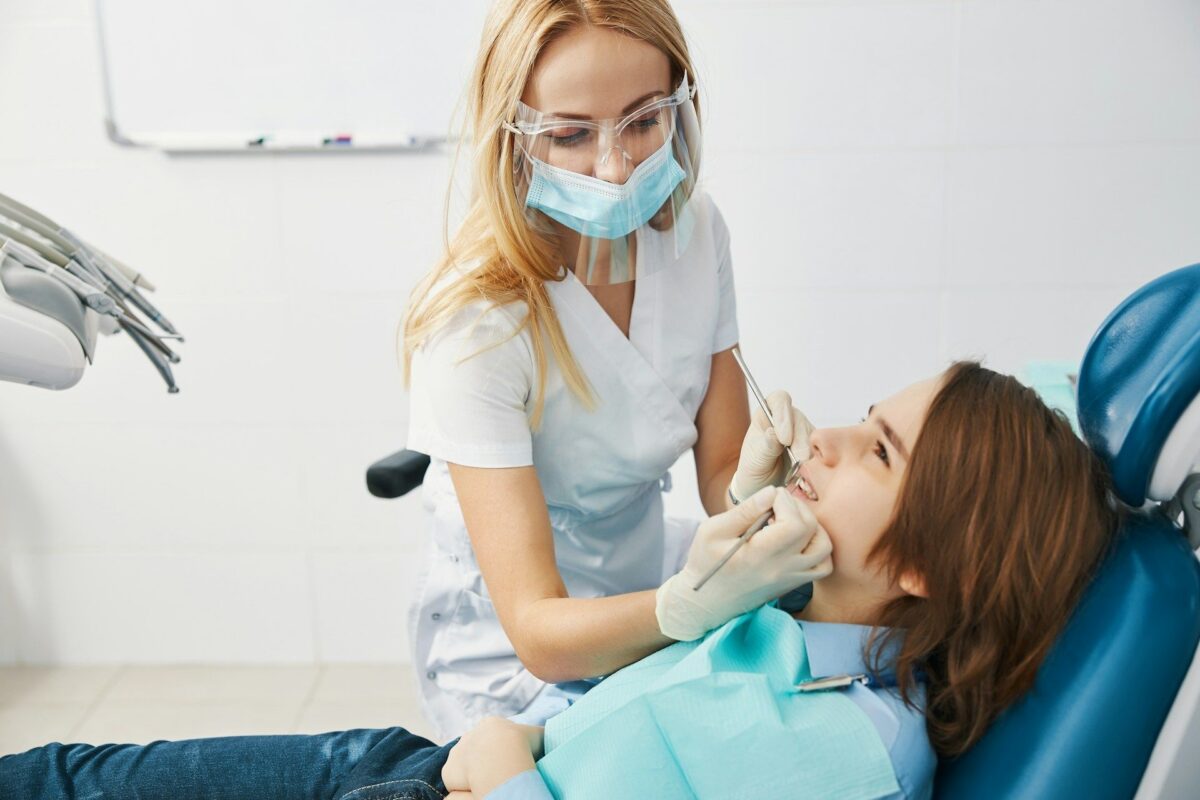
Helping teens maintain good oral health is important for their overall well-being. As teens grow, they need to develop habits that keep their teeth and gums healthy. Good oral hygiene practices established during these years can last a lifetime and prevent dental issues in the future.

Teens often have busy schedules filled with school, sports, and social activities. It can be challenging to make time for proper oral care. However, understanding the basics of dental hygiene and the importance of regular check-ups can make it easier to fit oral health into their daily routine.

Healthy eating is also crucial for maintaining strong teeth and gums. Educating teens about the impact of sugary snacks and beverages can help them make better food choices. Additionally, it is vital to inform them about the risks associated with oral piercings and tobacco use, which can harm their oral health.

In this guide, we will look at practical steps to help teens keep their smiles bright and healthy. From establishing a consistent oral hygiene routine to making smart dietary choices, we will cover all aspects to ensure that your teen’s dental health is in top shape. Let’s explore how we can support teens in maintaining excellent oral health.

Establish a Consistent Oral Hygiene Routine


Getting teens to establish a consistent oral hygiene routine can sometimes be a challenge, but it is crucial for maintaining healthy teeth and gums. Start by encouraging them to brush their teeth twice a day for at least two minutes each time. Using a toothbrush with soft bristles and fluoride toothpaste can help keep their teeth strong and free from cavities.

Flossing daily is another important habit to instill. It helps remove food particles and plaque from between the teeth and under the gumline, where a toothbrush can’t reach. To make it easier, consider providing them with floss picks or a water flosser, which may be more appealing and convenient for teens.

Using a mouthwash that contains fluoride can add an extra layer of protection against tooth decay and gum disease. Remind teens to rinse for 30 seconds after brushing and flossing. Consistent oral hygiene practices can go a long way in preventing dental issues and ensuring a healthy smile.

Make Healthy Eating Choices


Healthy eating plays a significant role in a teen’s oral health. Foods and drinks high in sugar can lead to tooth decay and cavities. Encourage teens to limit their intake of sugary snacks, sodas, and energy drinks. Instead, promote healthier options like water, milk, and natural fruit juices.

A balanced diet rich in fruits, vegetables, lean proteins, and whole grains is beneficial for both overall health and dental health. Foods like apples, carrots, and celery can help clean the teeth and stimulate saliva production, which naturally washes away food particles and bacteria.

Calcium-rich foods, such as yogurt and cheese, can strengthen teeth and bones. Incorporating these into your teen’s diet can help keep their teeth strong and reduce the risk of cavities. By making smart food choices, teens can maintain good oral health and enjoy the benefits of a healthier lifestyle.

Understand the Importance of Regular Dental Check-Ups


Regular dental check-ups are crucial for maintaining good oral health, especially for teens. Visiting the dentist every six months allows for early detection and treatment of dental issues such as cavities, gum disease, and misaligned teeth. These visits are not just about cleaning; they are vital for comprehensive oral health care.

During a dental check-up, the dentist can monitor your teen’s oral development and make sure their teeth and gums are healthy. Professional cleanings remove plaque and tartar that brushing and flossing might miss. Regular visits can also help identify any early signs of orthodontic needs, like braces or retainers, which are common during the teen years.

Encourage teens to view regular dental visits as a routine part of their health care. Discussing the benefits and addressing any fears or concerns they might have can make them more comfortable with the process. With regular check-ups, we can ensure that teens maintain a healthy smile and avoid more serious dental problems in the future.

Educate About the Risks of Oral Piercings and Tobacco Use


Educating teens about the risks associated with oral piercings and tobacco use is essential for their oral health. Oral piercings, such as tongue or lip rings, can cause numerous dental problems. They can lead to infections, chipped teeth, and even gum damage. Informing teens about these risks can help them make safer choices.

Tobacco use, including smoking and chewing tobacco, poses significant dangers to dental health. It can cause bad breath, tooth discoloration, and gum disease. More serious issues include oral cancer and a higher risk of tooth loss. Explaining these hazards can discourage teens from starting or continuing these harmful habits.

Having open and honest conversations about the impact of oral piercings and tobacco use can guide teens in making healthier decisions. Providing alternative ways to express individuality and cope with peer pressure can also be helpful. By educating them on these issues, we can protect their dental health and overall well-being.

Conclusion


Maintaining good oral health during the teen years sets the foundation for a lifetime of healthy smiles. From establishing a consistent oral hygiene routine to making healthy eating choices and emphasizing the importance of regular dental check-ups, we can help teens take charge of their dental health. Educating them about the risks of oral piercings and tobacco use also plays a crucial role in preventing serious dental issues.

By being proactive about their dental care, teens can avoid many common problems that arise during these formative years. Encourage them to build healthy habits and make informed choices that contribute to their overall well-being.


At Aria Dental of Annapolis, we are dedicated to supporting you and your family in maintaining excellent oral health. Schedule an appointment with our


Annapolis dentist


today and let us help your teen achieve a bright, healthy smile for years to come. Your smile is our priority!



How to Handle Your Child’s First Loose Tooth

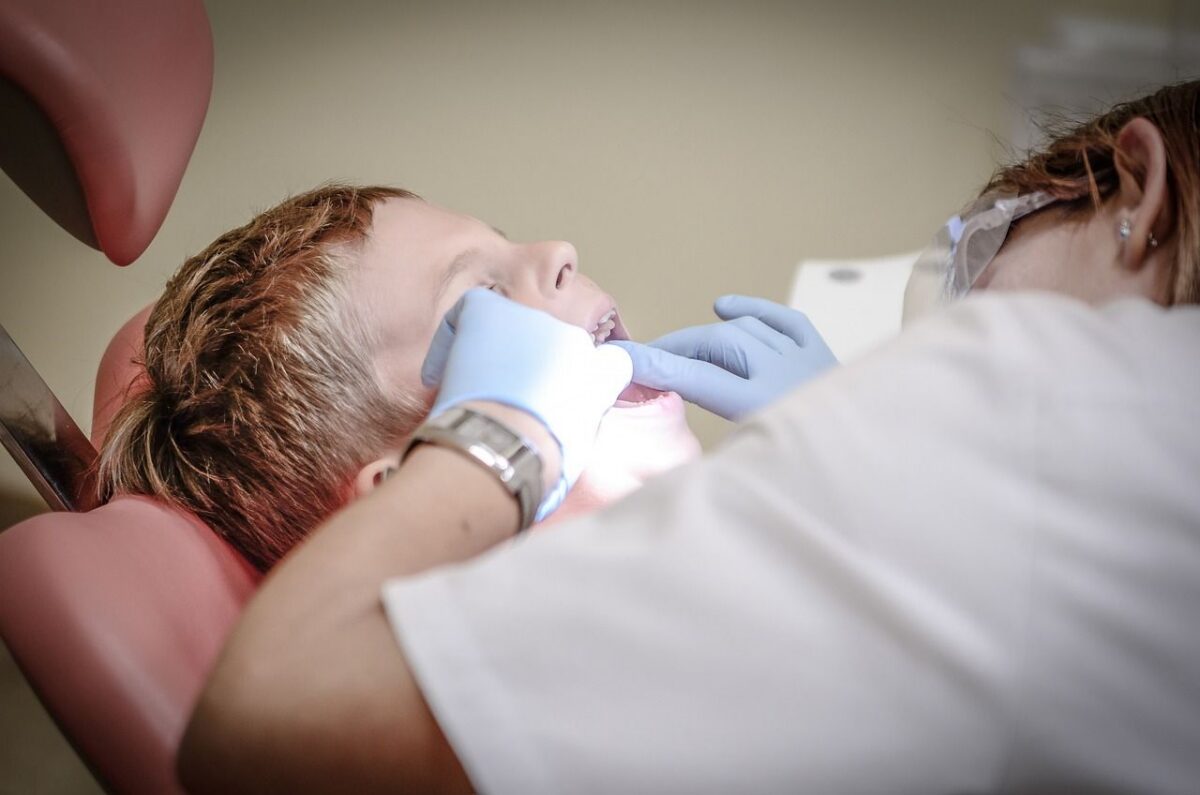
Every parent knows that growing up involves many exciting firsts for their child. One of these milestones is when your child gets their first loose tooth. This experience can be thrilling yet a bit scary for both you and your little one. Understanding what to expect and how to handle it can make this moment smooth and memorable.


A loose tooth means your child is growing, and their permanent teeth are ready to emerge. This process usually starts around age six, but it can vary from child to child. While some kids might have a wiggly tooth that easily falls out, others may need a bit more help. Knowing the right steps to take ensures their comfort and encourages good dental habits moving forward.


In this article, we will guide you through what to expect when your child’s tooth becomes loose, the steps to help them, fun and gentle ways to ease the tooth out, and how to care for the new gap while promoting good dental practices. With the right approach, you can help your child feel confident and excited about this natural part of growing up.

Understanding the Process of a Loose Tooth: What to Expect


When your child has their first loose tooth, it’s a sign that their baby teeth are making way for permanent ones. This process is both natural and necessary for proper dental development. Typically, children start to lose their baby teeth around age six, though it’s normal for this to happen a bit earlier or later.


The tooth becomes loose because the root begins to dissolve. This happens gradually, and the tooth will start to wiggle more as the root dissolves further. You might notice your child playing with the loose tooth using their tongue. This wiggling is actually good because it helps the tooth detach naturally.


It’s important to reassure your child that losing baby teeth is a part of growing up. Some children might be excited, while others might feel a bit scared. Explaining the process simply and calmly can make them feel more at ease. Let them know that the new tooth pushing through will be stronger and more permanent.

Steps to Take When Your Child’s Tooth Becomes Loose


When you first notice your child’s loose tooth, there are several steps you can take to ensure everything goes smoothly.


1. Stay Calm and Supportive:


Your calm attitude will help your child feel more comfortable with the process. Explain to them that it’s a normal part of growing up.


2. Encourage Gentle Wiggling:


Advise your child to gently wiggle the tooth with their tongue or clean fingers. This helps the tooth come out naturally.


3. Maintain Good Oral Hygiene:


Even though the tooth is loose, your child should still brush and floss regularly, being gentle around the wiggly tooth. This keeps the area clean and free of bacteria.


4. Monitor the Tooth:


Keep an eye on the tooth’s progress. If it seems painful or takes too long to come out, it might be a good idea to visit the dentist.


5. Handle Any Bleeding:


When the tooth finally comes out, there might be a bit of bleeding. Have your child bite down on a piece of clean gauze for a few minutes to help stop the bleeding.


By taking these steps, you can ensure your child’s first loose tooth experience is positive and stress-free. This foundational approach will make losing future teeth a lot easier for both of you.

Fun and Gentle Ways to Ease the Tooth Out


Making the process fun can help your child feel more relaxed about their loose tooth. Here are a few gentle methods to encourage the tooth to come out naturally:


1. Eating Crunchy Foods:


Offer your child crunchy foods like apples, carrots, or celery. These foods can help loosen the tooth further while being healthy and fun to eat.


2. Wiggly Tooth Dance


: Turn the process into a game. Create a fun tooth wiggling dance where your child uses their tongue or a clean finger to move the tooth. Sing a silly song to make it even more enjoyable.


3. Tooth Fairy Countdown:


Use the excitement of the Tooth Fairy to motivate your child. Mark the days on a calendar leading up to when the tooth might fall out and let your child mark off each day.


4. Story Time:


Read stories about teeth and the Tooth Fairy. This can help your child feel more comfortable and excited about losing their tooth.


These gentle and fun methods can make the experience of losing a tooth less intimidating and more entertaining for your child.

Caring for the New Gap and Encouraging Good Dental Habits


Once the tooth is out, it’s important to care for the new gap properly and continue encouraging good dental habits:


1. Rinse with Warm Salt Water:


Have your child rinse their mouth with warm salt water to keep the gap clean and to soothe any discomfort. This helps prevent infection and promotes healing.


2. Maintain Oral Hygiene:


Continue to brush and floss regularly, even around the new gap. Using a soft toothbrush can make this easier and more comfortable for your child.


3. Eat Soft Foods:


For the next day or two, provide soft foods that are gentle on the new gap. Foods like yogurt, mashed potatoes, and soups are good options.


4. Encourage Healthy Eating:


Reinforce the importance of healthy eating for strong teeth. Limit sugary snacks and encourage vegetables, fruits, and other nutritious foods.


5. Visit the Dentist:


Schedule a regular dental check-up to ensure everything is progressing well. The dentist can provide additional tips on caring for the new gap and maintaining overall dental health.


By taking these steps, you help your child keep their mouth healthy and set the stage for a lifetime of good dental habits.


Conclusion


Handling your child’s first loose tooth can be a mix of excitement and concern. Understanding the process and knowing the right steps to take can make this milestone a positive experience for both you and your child. Remember to stay calm, encourage gentle wiggling, and make the experience fun with creative approaches. Once the tooth is out, proper care for the new gap and maintaining good dental habits are essential.


By following these guidelines, you not only ensure your child’s comfort but also foster a healthy attitude towards dental care. At Aria Dental of Annapolis, we are dedicated to providing gentle, family-oriented dental care to help you and your child through every stage of their dental development. Schedule your child’s next dental check-up with our


Annapolis dentist


today to keep their smile bright and healthy.


Simple Ways to Prevent Cavities in Kids

Preventing cavities in kids is crucial for their overall health and well-being. Cavities, or tooth decay, can cause pain, infections, and even problems with eating and speaking if left untreated. The good news is cavities are largely preventable with the proper habits and care. Ensuring your child has a healthy smile begins with understanding and practicing simple yet effective dental care routines.


In this article, we’ll explore these simple ways to prevent cavities in kids. By following these tips, you can help your child maintain a bright, healthy smile and avoid the discomfort of tooth decay.

Establishing Good Brushing and Flossing Habits


Teaching kids to brush and floss properly is the first step in preventing cavities. Start by choosing a toothbrush with soft bristles that fits comfortably in your child’s mouth. Kids should brush their teeth twice daily—once in the morning and once before bed. Using fluoride toothpaste and brushing for at least two minutes each time is essential. Show your child how to brush all surfaces of the teeth, including the front, back, and chewing surfaces.


Flossing is also crucial. Even though it might be tricky initially, kids should begin flossing once they have two teeth that touch. Use floss picks designed for kids if they’re easier to handle. Make it a fun activity by using floss with different colors or flavors to keep your child interested.


Set a good example by brushing and flossing together with your child. To ensure they brush for two minutes, you can make it a family activity, use a timer, or play a favorite song. Consistency is critical, so try to create a routine that includes brushing and flossing at the exact times each day.

Choosing Tooth-Friendly Foods


A healthy diet plays a vital role in preventing cavities. Certain foods can boost your child’s oral health, while others can contribute to tooth decay. Knowing which foods to include in your child’s diet and which to limit is essential.


1. Healthy Snacks:


Encourage your child to eat fresh fruits, vegetables, cheese, and yogurt. These foods are not only nutritious but also help protect teeth. For example, cheese can increase saliva production, which naturally cleans the teeth and reduces the risk of cavities.


2. Water:


Make water the go-to drink for your child. It rinses away food particles and helps prevent tooth decay. Fluoridated water is especially beneficial as it strengthens tooth enamel.


3. Avoid Sugary Foods and Drinks:


Limit your child’s intake of sugary snacks, sodas, and juice. Sugar feeds harmful bacteria in the mouth, leading to plaque and cavities. If your child does consume something sweet, have them rinse their mouths or brush their teeth afterward to remove the sugar residue.


4. Whole Grains and Lean Proteins:


Foods rich in whole grains and lean proteins can contribute to stronger teeth and better health. Include whole-wheat bread, nuts, and lean meats in your child’s diet.


These simple food choices can significantly lower the risk of cavities and improve your child’s overall dental health. Encouraging your child to eat tooth-friendly foods helps build habits that will keep their smile healthy for years.

Regular Dental Checkups and Cleanings


Taking your child to the dentist regularly is one of the best ways to prevent cavities. Dentists can spot early signs of tooth decay and treat them before they become more significant problems. It’s recommended that kids visit the dentist at least twice a year for checkups and professional cleanings.


The dentist will examine your child’s teeth, gums, and mouth during a dental checkup. They will check for cavities, gum disease, and other dental issues. Professional cleanings are also important because they remove plaque and tartar that regular brushing might miss. The dentist or dental hygienist will use special tools to clean your child’s teeth thoroughly and may polish them to remove surface stains.


These visits are also an excellent opportunity to educate your child about oral hygiene. The dentist can advise them on brushing and flossing techniques and answer any dental care questions you or your child may have.


Regular dental checkups and cleanings help keep your child’s teeth healthy and catch problems early when they’re easier to treat. They also help build a positive relationship between your child and their dentist, making future visits less scary and more routine.

Using Fluoride and Dental Sealants


Fluoride and dental sealants are potent tools in the fight against cavities. They provide extra protection to keep your child’s teeth strong and healthy.


Fluoride:


Fluoride is a mineral that helps strengthen tooth enamel, making it more decay-resistant. It’s found in most toothpaste and tap water. During dental visits, your child might receive a fluoride treatment, which involves applying a fluoride gel or varnish to the teeth. This treatment is quick, painless, and offers additional protection against cavities.


Dental Sealants:


Dental sealants are another effective way to prevent cavities, especially in the back teeth (molars). Molars have grooves and pits where food particles and plaque can hide, making them harder to clean. Sealants are thin plastic coatings applied to these chewing surfaces. They seal the grooves, preventing food and bacteria from getting trapped and causing decay. The application is simple and non-invasive, usually taking just a few minutes per tooth.


Together, fluoride and dental sealants create a strong defense against cavities. Fluoride strengthens the teeth, while sealants provide a physical barrier against decay. Ask your dentist if these additional treatments are right for your child to give them the best protection.


Conclusion


Preventing cavities in children requires a combination of good dental habits, a healthy diet, regular dental checkups, and preventive treatments like fluoride and sealants. By teaching your child the importance of brushing and flossing, selecting tooth-friendly foods, and ensuring they visit the dentist regularly, you can help them maintain strong, healthy teeth.


Establishing these habits early sets the foundation for a lifetime of good dental health. If you have any questions or need further advice, our Aria Dental of Annapolis team is here to help. Schedule your child’s next dental checkup with our


dental office in Annapolis, MD


, today and take the first step towards a cavity-free smile!


Choosing the Best Toothpaste for Your Family

Choosing the right toothpaste for your family can be a bit overwhelming with so many options on the shelves. Whether you have young kids learning to brush or adults with specific dental needs, finding the perfect toothpaste is important for maintaining oral health. The toothpaste you choose can make brushing more effective and enjoyable for everyone in the family.


Different members of your family may require different types of toothpaste. Kids need toothpaste that is not only gentle but also safe if swallowed. Adults might need toothpaste that addresses issues like sensitivity, whitening, or gum health. Understanding what each type of toothpaste offers can help you make informed choices that cater to everyone’s needs.


In this article, we’ll dive into the different types of toothpaste available and explore the specific needs of kids versus adults. We’ll also look at specialized toothpastes for issues like sensitivity and gum care, and provide tips for choosing the best toothpaste for your family. Taking the time to choose the right toothpaste can help keep every smile in your family healthy and bright.


Understanding Different Types of Toothpaste


There are many types of toothpaste, each designed to address specific dental needs. Understanding these different types can help you choose the right one for your family.


  • Fluoride Toothpaste:


    Most toothpaste contains fluoride, which helps strengthen tooth enamel and prevent cavities. Fluoride toothpaste is essential for both children and adults to maintain strong, healthy teeth.


  • Whitening Toothpaste:


    This toothpaste contains mild abrasives and chemicals that help remove surface stains and make teeth appear whiter. It’s great for adults who want a brighter smile but might be too abrasive for young children’s teeth.

  • Tartar Control Toothpaste:


    Tartar control toothpaste contains ingredients that help prevent the buildup of tartar—a hardened form of plaque that can lead to gum disease. This type is generally recommended for adults prone to tartar buildup.


  • Sensitive Toothpaste:


    Designed for people with sensitive teeth, this toothpaste contains ingredients that help reduce discomfort by desensitizing the nerves inside the teeth. It’s ideal for adults who experience pain with hot, cold, or sweet foods.

  • Natural Toothpaste:


    Made with natural ingredients, this toothpaste is free from synthetic chemicals and additives. It’s a good choice for families who prefer organic products, but ensure it contains fluoride for cavity protection.


Knowing the different types of toothpaste helps you pick the right one for each family member’s needs.


Toothpaste for Kids vs. Adults


Kids and adults have different dental needs, so they require different types of toothpaste.


Toothpaste for Kids:


  • Flavor and Appearance:


    Kids’ toothpaste often comes in fun flavors and bright colors to make brushing more enjoyable. Flavors like bubblegum or fruit can encourage kids to brush regularly.


  • Fluoride Content:


    Children need fluoride to prevent cavities, but too much can be harmful if swallowed. Kids’ toothpaste usually has a lower fluoride content than adult toothpaste to make it safer for young users.


  • Texture and Abrasiveness:


    Kids’ toothpaste is less abrasive than adult versions to protect their developing teeth. A gentler formula ensures their enamel stays strong and healthy.


Toothpaste for Adults:


  • Advanced Formulas:


    Adults might need toothpaste with advanced formulas that target issues like sensitivity, gum disease, or whitening. These formulas are more suitable for mature teeth and gums.

  • Higher Fluoride Content:


    Adults’ toothpaste typically contains more fluoride to provide stronger cavity protection, which is essential as enamel wears down over time.


  • Multiple Benefits:


    Many adult toothpastes offer multi-benefit formulations to address several dental concerns at once. For example, a toothpaste might be designed to control tartar, whiten teeth, and strengthen enamel in one package.


Choosing the right toothpaste for kids and adults ensures that everyone in the family gets the best possible care for their teeth.


Specialized Toothpaste for Specific Needs


Some family members might have unique dental requirements that need specialized toothpaste. Here are a few options to consider:


  • Toothpaste for Sensitive Teeth:


    If someone in your family has sensitive teeth, toothpaste designed for sensitivity can help. It contains ingredients like potassium nitrate or stannous fluoride that help block pain signals from reaching the nerves inside the teeth.


  • Whitening Toothpaste:


    If you want a brighter smile, whitening toothpaste can help remove surface stains. It usually contains mild abrasives and peroxide agents that gently polish the teeth and break down stains.

  • Antibacterial Toothpaste:


    For those who are prone to gum disease, antibacterial toothpaste can be beneficial. It contains ingredients like triclosan or stannous fluoride that help reduce bacteria and inflammation in the gums.


  • Toothpaste for Dry Mouth:


    Some people suffer from dry mouth, which can increase the risk of cavities and gum disease. Toothpaste for dry mouth usually contains ingredients that help stimulate saliva production and keep the mouth moist.


  • Natural or Organic Toothpaste:


    For families who prefer natural products, organic toothpaste made from natural ingredients is an option. Make sure it contains fluoride for cavity protection, unless advised otherwise by a dentist.


Choosing the right specialized toothpaste helps address specific dental issues and maintains overall oral health for each family member.


Tips for Choosing the Best Toothpaste for Your Family


Choosing the right toothpaste for your family can make a big difference in oral health and daily dental care routines. Here are some tips to help you make the best choice:


  • Read the Labels:


    Always read the labels to understand the ingredients and benefits of the toothpaste. Look for toothpaste with the American Dental Association (ADA) Seal of Acceptance, which ensures it meets safety and effectiveness standards.

  • Consider Individual Needs:


    Take into account the specific needs of each family member. If you have young kids, choose toothpaste specially formulated for children. For adults with sensitive teeth, opt for toothpaste that targets sensitivity.


  • Flavor Matters:


    Pick flavors that appeal to everyone in the family. If the toothpaste tastes good, it makes brushing more enjoyable, especially for kids.


  • Check for Fluoride:


    Ensure the toothpaste contains fluoride, as it is essential for preventing cavities and strengthening enamel. While some prefer natural toothpaste, fluoride is a key ingredient for dental health unless otherwise advised by a dentist.


  • Avoid Harsh Ingredients:


    Stay away from toothpaste with harsh abrasives or sodium lauryl sulfate if someone in the family has sensitive teeth or gums.


  • Shop Together:


    Involve your family in choosing toothpaste. Letting everyone have a say can make them more likely to use it regularly.


These tips can help you find a toothpaste that keeps everyone’s teeth healthy and makes brushing a pleasant part of the daily routine.


Conclusion


Choosing the right toothpaste for your family involves understanding different types of toothpaste and considering the unique needs of each family member. Whether it’s kids needing a kid-friendly flavor or adults requiring sensitivity protection, selecting the right toothpaste is crucial for maintaining oral health. Specialized toothpastes can help address specific issues such as sensitivity, whitening, and gum health, making it easier to find the perfect match for everyone.


By reading labels, considering individual preferences, and involving your family in the selection process, you can ensure that brushing becomes a positive and effective routine. Remember, good oral hygiene starts with the right toothpaste, and using the right one can prevent cavities, improve gum health, and make everyone’s smile brighter.


If you need more advice on choosing the best toothpaste for your family or if it’s time for a dental check-up, contact Aria Dental of Annapolis. Schedule an appointment with our


dentist in Annapolis


today to keep every smile in your family healthy and happy!


Top Reasons Kids Need Regular Dental Check-Ups

Regular dental check-ups are important for everyone, but they are especially crucial for kids. As children grow, their mouths go through many changes. Regular visits to the dentist can help catch problems early before they become serious. These check-ups also teach kids how to look after their teeth and set the stage for good habits that last a lifetime.


Going to the dentist regularly helps children learn the right way to brush and floss. When kids start taking care of their teeth early on, they are less likely to face dental problems as they grow. Dentists can also make oral hygiene fun for kids with engaging lessons and tools, which makes it easier for them to stick to good habits.


Regular dental visits also allow the dentist to monitor how a child’s mouth is developing. They can check if the teeth and jaws are growing properly and if there are any needs for braces or other treatments. By keeping an eye on these developments, many potential alignment issues can be avoided, ensuring your child’s smile stays healthy and bright.

Early Detection of Dental Issues


Importance of Catching Problems Early:

Catching dental issues early can make a big difference in a child’s oral health. When problems are found early, treatment can start right away. This can stop the issues from getting worse and becoming painful or costly to fix. Early detection helps avoid serious complications and keeps small problems from turning into big ones. Regular dental check-ups act like a safety net, ensuring that children’s teeth and gums remain healthy as they grow.


Common Dental Issues in Children:

Children can face a variety of dental issues. Cavities are common due to sugary snacks and drinks. Gum disease can also occur if brushing and flossing are neglected. Malocclusion, or misaligned teeth, can affect children as their jaws grow. These issues can cause discomfort and make it harder for children to eat, speak, and smile. Identifying these problems early can help manage them effectively, preventing long-term damage.


How Regular Check-Ups Prevent Serious Problems:

Regular dental check-ups help prevent serious problems by ensuring that any issues are caught and treated early. During these check-ups, the dentist examines the teeth, gums, and overall mouth health. Cleanings remove plaque and tartar that daily brushing might miss. Dentists can spot signs of cavities, gum disease, and other issues before they become severe. This proactive approach keeps children’s smiles healthy and bright.

Educating Kids on Proper Oral Hygiene


Teaching Kids How to Brush and Floss:

Teaching kids how to brush and floss is key to maintaining their oral health. Children should brush their teeth twice a day using a fluoride toothpaste and a soft-bristled toothbrush. Brushing should last for about two minutes, covering all surfaces of the teeth. Flossing is just as important, as it removes food particles and plaque from between teeth where the toothbrush can’t reach. Parents can help by supervising and guiding their kids’ brushing and flossing routines until they are confident doing it on their own.


Importance of Establishing Good Habits Early:

Establishing good oral hygiene habits early sets the foundation for a lifetime of healthy teeth and gums. When kids learn to take care of their teeth from a young age, they are more likely to continue these habits into adulthood. Good habits prevent dental issues like cavities and gum disease. Regular brushing and flossing help keep teeth clean and free of plaque, which is the main cause of most dental problems. Teaching kids the importance of oral health can also encourage them to value their overall well-being.


Fun Ways to Make Oral Hygiene Engaging:

Making oral hygiene fun can encourage kids to stick with their routines. Here are some ideas:

1. Let kids pick their own toothbrush with fun designs or their favorite characters.

2. Use a toothbrushing app or timer to make sure they brush for the full two minutes.

3. Create a rewards chart where kids earn stickers for brushing and flossing daily.

4. Make brushing and flossing a family activity so that kids can learn by watching parents.


Turning oral hygiene into a fun and rewarding experience helps kids develop these important habits while enjoying the process.

Monitoring Dental Development and Growth


Tracking the Development of Teeth and Jaws:

Monitoring the development of teeth and jaws is crucial during a child’s growth. Regular dental check-ups allow the dentist to track how their teeth are erupting and if their jaws are growing properly. This helps ensure that everything is developing as it should. Early detection of issues can guide better treatments. Regular X-rays and examinations help dentists see the underlying structures of teeth and bones, making it easier to spot potential problems early.


Identifying Orthodontic Needs Early:

Early identification of orthodontic needs can prevent more serious alignment issues down the road. Dentists can assess whether a child may need braces or other orthodontic treatments. If detected early, some issues can be treated more easily and painlessly. Addressing these needs sooner rather than later can make the treatment process shorter and more effective. This proactive approach helps maintain both the health and appearance of a child’s smile.


Preventing Potential Alignment Issues:

Regular monitoring can also help prevent potential alignment issues. If the dentist notices that the teeth are not coming in straight or the jaws are not aligning well, they can recommend solutions to guide proper alignment. This might include space maintainers, early braces, or other interventions. Catching and addressing these problems early can prevent discomfort and complex treatments in the future, ensuring that the child’s teeth have the best chance to develop correctly.

Preventative Treatments to Keep Teeth Healthy


Benefits of Fluoride Treatments:

Fluoride treatments play an important role in keeping kids’ teeth healthy. Fluoride helps strengthen the enamel, making it harder for cavities to form. During a regular check-up, the dentist can apply fluoride varnish to the teeth, providing extra protection. This treatment is especially important for children who are prone to cavities. Fluoride treatments are quick, painless, and very effective in keeping teeth strong and healthy.


Importance of Dental Sealants:

Dental sealants are another great preventative measure. Sealants are thin, protective coatings applied to the chewing surfaces of the back teeth where cavities are most likely to develop. They create a barrier against food particles and bacteria. Applying sealants is simple and non-invasive, and they can last for several years. Sealants significantly reduce the risk of cavities, making them an excellent choice for long-term dental health.


Professional Cleanings and Their Role in Prevention:

Professional cleanings are vital in preventing dental problems. During a cleaning, the dental hygienist removes plaque and tartar that regular brushing and flossing might miss. This helps prevent cavities and gum disease. Regular cleanings keep teeth looking their best and gums healthy. They also allow the dentist to examine the mouth thoroughly, spotting any issues early. These cleanings are a key part of maintaining good oral health and preventing future dental problems.

Conclusion


Making sure kids have regular dental check-ups is incredibly important for their overall health and well-being. These visits help in catching problems early, teaching proper oral hygiene habits, and monitoring the development of teeth and jaws. Early detection of dental issues, like cavities or alignment problems, can prevent them from becoming bigger and more difficult to treat. Educating children on how to care for their teeth and making it a fun experience sets the foundation for lifelong healthy habits.


Regular check-ups also offer valuable preventative treatments. Fluoride applications strengthen enamel, while sealants protect against cavities. Professional cleanings keep teeth and gums in top shape and allow the dentist to catch minor issues before they escalate. Investing in regular dental visits ensures that children’s smiles stay healthy and bright, paving the way for better oral health and higher self-esteem.


For gentle, family-oriented


dental care in Annapolis


, trust the team at Aria Dental of Annapolis. Schedule your child’s next dental check-up with us today to keep their smile healthy and strong. Book your appointment now!


How to Protect Your Smile from Gum Disease in Annapolis

At Aria Dental of Annapolis, we understand the importance of maintaining a healthy smile, and one of the stealthiest threats to your dental health is gum disease. Gum disease, which encompasses conditions such as gingivitis and periodontitis, can have far-reaching effects if not addressed promptly. It is essential to recognize the early signs and understand what causes this common yet preventable condition. Our goal is to empower the families of Annapolis with the knowledge required to keep their gums healthy and their smiles bright.


Gum disease starts quietly, often without any discomfort, which is why it’s sometimes referred to as a “silent” disease. It can progress from mild gum inflammation, known as gingivitis, to more severe forms like periodontitis, which can lead to tooth loss if untreated. The primary culprit behind gum disease is plaque buildup, but other factors such as smoking, poor diet, and certain medical conditions can exacerbate its development. Knowing these causes and stages allows you to take proactive steps in preventing gum disease, maintaining overall oral hygiene, and ensuring that your visits to us at Aria Dental are positive and health-focused.


Recognizing these issues early and adopting a regimen of effective dental care practices, including proper brushing, fanning, and regular professional check-ups, are essential components of gum disease prevention. 


Let’s dive deeper into how daily habits, nutritional choices, and professional dental care contribute to preventing gum disease, ensuring that every resident of Annapolis can enjoy a healthy, vibrant smile.

Understanding Gum Disease: Types and Common Causes


Gum disease is a common yet preventable condition affecting many individuals in Annapolis. At Aria Dental, we emphasize the importance of understanding what gum disease is to effectively combat it. Essentially, gum disease is an inflammation of the gum line that can progress to affect the bone that surrounds and supports your teeth. The two main stages of gum disease are gingivitis, which is mild and reversible, and periodontitis, a more severe form that can lead to tooth loss if not treated timely.


The primary cause of gum disease is plaque—a sticky, colorless film of bacteria that forms on your teeth. If not thoroughly removed through daily brushing and flossing, plaque can harden into tartar, further exacerbating gum irritation and leading to more severe dental problems. Other contributing factors include smoking, diabetes, hormonal changes in women, stress, poor nutrition, and certain medications that reduce saliva flow. Recognizing these causes helps us develop targeted preventive strategies tailored to each patient’s needs.

Daily Habits to Prevent Gum Disease


Maintaining a daily oral hygiene routine is critical in the prevention of gum disease. Here at Aria Dental, we educate our patients on proper brushing techniques, which is the cornerstone of good oral hygiene. We recommend brushing at least twice a day using a soft-bristled brush and fluoride toothpaste. It’s important to brush gently in a circular motion to prevent gum irritation and wear on the teeth and gums.


In addition to brushing, flossing at least once a day helps remove food particles and plaque between the teeth and under the gumline, areas that a toothbrush can’t reach. Using mouthwash can also be an effective adjunct to brushing and flossing. However, it’s essential to choose the right type of mouthwash—preferably one that is antimicrobial and fluoride-enriched to help fight plaque and prevent decay. By incorporating these daily habits, our patients in Annapoli significantly reduce their risk of developing gum disease, ensuring their smiles remain healthy and vibrant for years to come.

Nutritional Choices That Support Healthy Gums


At Aria Dental, we emphasize that good nutrition plays a vital role in maintaining healthy gums. Foods rich in vitamins and minerals can boost your gum health and overall oral wellness. For instance, crunchy fruits and vegetables like apples, carrots, and celery help clean teeth naturally and stimulate the gums. Foods high in calcium such as cheese, yogurt, and leafy greens strengthen the enamel and tissues around the teeth, protecting against gum disease. Additionally, Vitamin C-rich foods like oranges, strawberries, and bell peppers help maintain the integrity of your gums by strengthening the connective tissue and promoting capillary health.


However, it’s equally important to avoid foods that can harm your gum health. Sugary snacks and beverages, including candies and sodas, contribute to plaque buildup, which leads to gum disease. Sticky foods, such as dried fruits, can linger on teeth surfaces and foster bacterial growth. We also recommend limiting acidic foods that can erode tooth enamel, potentially exposing your teeth and gums to bacteria. Keeping a balanced diet not only supports your oral health but also enhances your general health.

Professional Dental Care for Gum Disease Prevention


Regular visits to Aria Dental are crucial for preventing gum disease. During a dental checkup, we provide professional cleaning that removes plaque and tartar from areas difficult to reach with regular brushing and flossing. This not only helps in preventing gum disease but also aids in catching any early signs of gingivitis before they escalate to more severe conditions.


Additionally, if you have concerns about gum disease or notice symptoms such as persistent bad breath, red or swollen gums, or bleeding while brushing or flossing, it’s essential to see us promptly. We offer specialized treatments to address and manage gum disease, ranging from deep cleaning procedures, such as scaling and root planing, to more advanced interventions if necessary. By maintaining regular dental appointments, you ensure that your gums remain healthy and any potential issues are addressed timely.

Final Thoughts


Maintaining healthy gums is a crucial component of your overall dental health and well-being. At Aria Dental, our approach combines effective daily oral hygiene practices, nutritional advice, and professional dental services to ensure you are fully equipped to prevent and manage gum disease. We are committed to providing you with the knowledge and care necessary to keep your gums healthy and your smiles radiant.


If you’re looking to strengthen your gum health or have concerns about


gum disease


, don’t hesitate to contact us at Aria Dental of Annapolis. We are here to support you with top-notch dental care tailored to your unique needs. Schedule your next visit today and take a significant step towards a healthier, brighter smile.


Fun Ways to Teach Kids Good Brushing Habits

Getting kids excited about brushing their teeth can be a real challenge for many parents. However, teaching good brushing habits at a young age is crucial for long-term dental health. Children who learn to care for their teeth early on are more likely to maintain these habits as they grow. 

With a few creative ideas, turning tooth brushing into a fun and engaging activity is possible. In the next sections, we’ll explore various fun and effective methods to teach kids good brushing habits.

1. Creative Brushing Games


Turning Brushing into a Fun Game


One way to get kids excited about brushing is by turning the task into a game. Create a fun storyline where they are heroes fighting off “sugar bugs” on their teeth. You can make up imaginative scenarios to keep them engaged. For instance, they could earn points for reaching hidden spots in their mouth or for brushing all the “evil” plaque away. Keeping track of points and setting a new “high score” for each brushing session can make this daily routine something they look forward to.

Using Apps and Timers to Make Brushing Enjoyable


In this digital age, many apps can make brushing more interesting for kids. Apps like “Brush DJ” and “Chomper Chums” play music and have interactive elements to guide kids through their two-minute brushing sessions. Some apps feature characters that kids can unlock by completing brushing tasks. 

Timers can also help ensure they are brushing for the full recommended two minutes. Choosing timers with fun themes or sounds can make the time fly by, turning brushing into a delightful experience.

Creating Brushing Challenges and Rewards


Kids love challenges, especially when there’s a reward at the end. Create a brushing chart where they can put a sticker each time they brush. Set milestones with small rewards like extra storytime or a fun outing when they reach a certain number of stickers. This positive reinforcement encourages them to stick to their brushing routine. You can also invent creative challenges like “Brush with Your Eyes Closed” or “Race Against the Timer,” making the activity fun and engaging.

2. Using Storytelling to Encourage Brushing


Sharing Fun Stories about Dental Hygiene


Storytime can be a powerful tool for teaching good brushing habits. Share stories where the heroes and heroines have sparkling clean teeth because they brush regularly. Adding a moral to these stories about the importance of proper dental care can subtly teach them good habits. Encourage your child to create their own story about brushing, making them more invested in the activity.

Using Puppets or Toys to Tell Brushing Tales


Using puppets or toys can make storytelling even more engaging. Perform a mini puppet show where the characters show the correct way to brush their teeth. Toys with big, exaggerated teeth can help demonstrate how to brush properly. You can create interactive plays where your child helps a favorite toy “brush” its teeth, turning a chore into a playful and educational activity.

Reading Books About Brushing and Dental Care


There are many children’s books designed to teach dental hygiene in a fun and accessible way. Books like “Brush, Brush, Brush!” by Alicia Padron and “Sugarbug Doug” by Ben Magleby tell delightful tales while emphasizing the importance of brushing correctly. Reading these books together can make the concept of dental hygiene feel less like a chore and more like an adventure. Books can provide a comforting and familiar way to reinforce the importance of brushing every day.

3. Involving Kids in Choosing Their Dental Tools


Letting Kids Pick Their Toothbrush and Toothpaste


One easy way to make brushing more exciting for kids is to let them choose their own toothbrush and toothpaste. Take them to the store and let them pick a toothbrush with their favorite color or cartoon character. Many children’s toothbrushes come with fun designs and features like lights or music. Also, allow them to choose a toothpaste flavor they like. When kids feel involved in the process, they are more likely to look forward to brushing.

Decorating the Bathroom with a Fun Brushing Theme


Transforming the bathroom into a fun and inviting space can encourage kids to enjoy brushing time. Consider decorating the bathroom with a brushing theme that includes cheerful posters, stickers, or colorful cups for rinsing. A toothbrush holder shaped like a favorite animal or character can make a big difference too. These small changes can turn a routine task into an eagerly anticipated activity, making kids more enthusiastic about brushing.

Using Colorful and Engaging Dental Products


Use bright and engaging dental products to capture your child’s interest. From colorful two-minute sand timers to fun toothpaste flavors like bubblegum or strawberry, these products can make brushing more enjoyable. Electric toothbrushes with rotating heads and cool designs can also make brushing less of a chore and more of an adventure. These tools help turn daily dental care into an engaging and positive experience for kids.

4. Setting a Good Example and Brushing Together


Making Brushing a Family Activity


Children are keen observers and often mimic the behavior of adults. Make brushing a family activity where everyone brushes their teeth together. This can create a sense of routine and make the experience less daunting for children. Singing a song or playing a favorite tune while brushing can also make the activity more fun. When kids see their parents brushing regularly, they understand the importance of maintaining this healthy habit.

Showing Kids How to Brush Properly


Teaching kids the correct way to brush is essential for effective dental hygiene. Show them how to hold the toothbrush and which areas to focus on, like the front, back, and chewing surfaces of their teeth. Use simple terms and encourage them to brush gently in circular motions. Demonstrating the right technique while brushing together helps kids learn by example and ensures they are cleaning their teeth thoroughly.

Encouraging Kids with Positive Reinforcement


Positive reinforcement goes a long way in building good habits. Praise your child for a job well done after they brush their teeth. Compliment them on their clean teeth and fresh breath. You can also use a reward system with small incentives for consistent brushing, like a sticker chart or a small toy. These affirmations and rewards make kids feel proud of their efforts and motivate them to keep up their good brushing habits.

Conclusion


Teaching kids good brushing habits doesn’t have to be a struggle. By turning brushing into a fun game, using storytelling, involving them in choosing their dental tools, and setting a good example through family activities, you can make dental hygiene an enjoyable and valued part of their daily routine. These methods help kids understand the importance of brushing and establish habits that can last a lifetime.


If you’re looking for more tips or need a dental checkup for your family, look no further than Aria Dental of Annapolis. Our team is dedicated to providing gentle, family-oriented


Annapolis dental care


that helps keep your child’s smile bright and healthy. Schedule an appointment today and make dental health a priority for your family!


Tips for Managing Dental Emergencies at Home

Dental emergencies can happen without warning, and knowing how to manage them at home can make a big difference in preventing further damage and alleviating pain. We understand the stress and discomfort that comes with sudden dental issues, and we want to provide you with the knowledge to handle these situations calmly and effectively. Whether it’s a knocked-out tooth, a painful toothache, a chipped tooth, or a soft tissue injury, having a plan in place can help you respond quickly and appropriately.

When a dental emergency occurs, the first few moments are crucial. Quick and proper actions can sometimes mean the difference between saving and losing a tooth. For instance, knowing how to preserve a knocked-out tooth until you can see a dentist is vital for the best chance of successful reimplantation. Similarly, understanding how to alleviate toothache pain at home can provide much-needed relief until professional help is available.

Equipping yourself with these tips not only prepares you for potential emergencies but also gives you peace of mind. Being informed ensures that you can handle dental crises effectively, making the experience less frightening and more manageable for you and your family. We’ll explore steps and solutions for different types of dental emergencies to help you stay prepared and protect your oral health.

Handling a Knocked-Out Tooth


Steps to preserve the tooth

When a tooth gets knocked out, immediate action can help save it. First, locate the tooth and handle it carefully. Pick it up by the crown, the top part of the tooth, and avoid touching the root. Rinse the tooth gently with water if it’s dirty, but don’t scrub it or use soap. Try to reinsert the tooth into its socket if possible. Hold it in place by biting down gently on a clean cloth or gauze.

If reinserting the tooth isn’t possible, keep it moist until you can see a dentist. Place it in a container with milk or a saline solution, or keep it inside your mouth next to your cheek. Avoid using plain water, as it can damage the root surface cells.

Caring for the affected area

After managing the knocked-out tooth, take care of your mouth. Rinse your mouth gently with warm water if there’s debris or dirt. Apply a cold compress to the outside of your mouth, on the affected area, to reduce swelling. You can also take over-the-counter pain relievers if you’re experiencing discomfort. Be sure to avoid aspirin, as it can increase bleeding.

Dealing with Toothaches


Alleviating pain at home

A toothache can be very painful, but there are steps you can take to alleviate the pain at home. Rinse your mouth with warm salt water to cleanse and soothe the area. Mix half a teaspoon of salt in an 8-ounce glass of warm water and swish it around in your mouth for about 30 seconds before spitting it out. Applying a cold compress to the outside of your cheek can help reduce swelling and numb the pain.

Over-the-counter pain relievers, such as ibuprofen or acetaminophen, can be effective in managing toothache pain. Additionally, clove oil, known for its natural analgesic properties, can be used as a temporary remedy. Dab a small amount of clove oil on a cotton ball and apply it directly to the aching tooth.

When to seek professional help

While home remedies can provide temporary relief, it’s important to know when to seek professional help. If your toothache persists for more than a day or two, becomes severe, or is accompanied by fever, swelling, or a foul taste in your mouth, contact a dentist. These symptoms could indicate a more serious condition, such as an infection, which requires professional treatment.

By understanding how to handle a knocked-out tooth and manage toothaches at home, you can protect your dental health and alleviate discomfort until you can see a dentist. Quick, informed actions are key to dealing with these common dental emergencies effectively.

Managing Broken or Chipped Teeth


Immediate actions to take

Discovering a broken or chipped tooth can be alarming, but there are immediate steps you can take to protect your tooth and alleviate pain. Rinse your mouth with warm water to clean the area and remove any debris. If there is bleeding, apply a piece of gauze to the affected area and hold it in place until the bleeding stops. Use a cold compress on your cheek to reduce swelling and numb any pain.

It’s important to collect and save any pieces of the broken tooth if possible. Store them in a clean container and bring them with you to the dentist. Avoid chewing on the side of your mouth where the tooth is damaged to prevent further harm.

Temporary solutions until you see a dentist

While waiting to see a dentist, you can use dental wax or sugar-free gum to cover any sharp edges of the broken tooth. This will help protect your tongue and cheek from cuts or irritation. Over-the-counter pain relievers can help manage discomfort. Avoid eating hard or crunchy foods that could aggravate the damaged tooth until you receive professional treatment.

Addressing Soft Tissue Injuries


Treating cuts and abrasions in the mouth

Soft tissue injuries, such as cuts or abrasions in the mouth, can occur from accidents or biting down on something hard. Start by rinsing your mouth with a mild saltwater solution to clean the area and reduce the risk of infection. Apply gentle pressure with a clean cloth or gauze to control any bleeding.

For small cuts, you can use a cold compress on the outside of your mouth to reduce swelling and discomfort. Over-the-counter pain relief can also help manage any pain associated with the injury.

When to seek medical attention

If the bleeding doesn’t stop after applying pressure for 10-15 minutes, or if the injury is large, deep, or accompanied by severe pain, it’s important to seek medical attention immediately. Persistent bleeding, signs of infection (such as increased redness, swelling, or pus), and difficulty swallowing are indications that professional care is needed. Contact your dentist or go to the emergency room to have the injury properly treated.

Conclusion


Dental emergencies can be unsettling, but knowing how to manage them at home can make them less intimidating. From handling a knocked-out tooth and dealing with toothaches to managing broken teeth and addressing soft tissue injuries, quick and informed actions can make a significant difference in the outcome of these situations. Proper at-home care can alleviate pain and prevent further damage until you can see a dentist.


At Aria Dental of Annapolis, we are committed to helping our community maintain optimal dental health, even in emergencies. If you experience a dental emergency or need advice on managing one, don’t hesitate to reach out. Schedule an appointment with us today, and let our


emergency dentist in Annapolis


help you keep your smile healthy and bright in 2024 and beyond!


How to Pick the Right Toothbrush for Every Family Member in Annapolis

Choosing the right toothbrush is more than just picking your favorite color; it’s about finding the right tool to enhance your oral health. At Aria Dental of Annapolis, we understand the importance of a suitable toothbrush in maintaining dental hygiene. Everyone’s needs are different, from toddlers just beginning to brush to seniors with more sensitive gums. That’s why we take the time to educate our patients on the types of toothbrushes available and how to select the best one for their specific oral health requirements.


Toothbrushes come in various shapes, sizes, and types, each designed to offer distinct benefits. For instance, manual toothbrushes give you full control over the pressure and speed of brushing, which is great for those who might be a bit more sensitive. On the other hand, electric toothbrushes can provide a more consistent and efficient cleaning experience, which might be helpful for children or adults with limited manual dexterity. Understanding these details ensures every member of your family in Annapolis can practice optimal oral healthcare with a tool that suits them best.


Moreover, the correct toothbrush can make a significant difference in your daily dental care routine. Whether you have sensitive teeth, wear braces, or are looking to prevent gum disease, we’re here to guide you towards the best choice. Let’s dive into the world of toothbrushes and discover how choosing wisely can lead to healthier smiles for you and your loved ones.


Understanding Toothbrush Types and Their Benefits


When it comes to maintaining oral hygiene, the choice of a toothbrush plays a crucial role. At Aria Dental of Annapolis, we often discuss with our patients the differences between manual and electric toothbrushes to help them make informed choices. Manual toothbrushes are highly accessible and provide excellent control over brushing pressure, reducing the risk of harming gums or enamel. On the other hand, electric toothbrushes offer a more consistent motion and are particularly beneficial for individuals with limited manual dexterity or orthodontic appliances.


Bristle type is another significant aspect to consider. Toothbrushes come with soft, medium, or hard bristles. We recommend soft bristles for most people as they are gentle on the gums and sufficient to remove plaque effectively without causing damage. Medium and hard bristles, while tempting for those seeking a “deeper clean,” can actually harm the gums and enamel, leading to sensitive teeth and contributing to gum recession.


Choosing Toothbrushes for Children and Teens


Selecting the right toothbrush for children and teens is pivotal for encouraging lifelong dental hygiene habits. For toddlers and young children, choose toothbrushes with small, soft heads and large handles. These features make it easier for small hands to grip and maneuver the brush, while the soft bristles ensure gentle cleaning suitable for their delicate gums and emerging teeth.


As children grow into teens, their oral hygiene needs change, and they may start using adult-sized toothbrushes. However, it’s still important to ensure the bristle type is soft to avoid damage as they learn to perfect their brushing technique. Additionally, involving children and teens in choosing their toothbrush—perhaps selecting a design or color they like—can make brushing more appealing, helping integrate dental care into their daily routine seamlessly.


Through regular education about the types of toothbrushes and considerations for each age group, we strive to empower our community members in Annapolis to make better dental health decisions. Whether choosing a toothbrush for a child, teen, or adult, understanding these critical factors can lead to improved oral health and a brighter smile.


Toothbrush Considerations for Adults and Seniors


For adults and seniors, selecting the right toothbrush is crucial for maintaining oral health, especially as dental needs evolve with age. Adults should consider toothbrushes that cater to sensitivity and gum health, as these are common concerns. Toothbrushes with softer bristles are preferable because they are gentle on the gums and enamel, reducing the risk of irritation and damage. For those who have more sensitive gums or wear dental appliances like dentures, a toothbrush with ultra-soft bristles and a flexible handle can make a significant difference in comfort and effectiveness.


Seniors in particular benefit from features like ergonomic handles, which are easier to grip, and bristles that respond well to less force. Since many seniors face challenges such as arthritis or reduced mobility, using a toothbrush that accommodates their physical limitations is important. Additionally, electric toothbrushes can be a beneficial option for seniors because they require less manual effort and provide efficient cleaning by covering larger areas of the mouth with minimal movement.


Maintaining Your Toothbrush for Optimal Dental Health


Good toothbrush hygiene is a cornerstone of dental health. We always remind our patients at Aria Dental of Anapolis of the best practices for toothbrush maintenance, which include regular cleaning and timely replacement. Toothbrushes should be rinsed thoroughly after each use to remove residue and debris. Storing the toothbrush in an upright position and allowing it to air dry can prevent the growth of bacteria. It’s also vital to replace your toothbrush every three to four months or sooner if the bristles become frayed. Using a worn-out toothbrush can decrease the effectiveness of your brushing and potentially harm the gum tissue.


Furthermore, involving the whole family in maintaining good toothbrush hygiene habits is essential. Encourage children to choose their own toothbrushes—this can make them more excited about brushing and taking care of their toothbrushes. Regularly discuss the importance of toothbrush care during family times and consider setting reminders for everyone to change their toothbrushes at the same time. This can turn toothbrush maintenance into a family routine, reinforcing the importance of oral hygiene for each family member.


Final Thoughts


At Aria Dental of Annapolis, we understand that oral health is a vital part of your overall well-being, and it starts with the right tools. Choosing the appropriate toothbrush, maintaining its cleanliness, and replacing it at the right intervals are simple yet powerful steps to ensure optimal dental health. Whether you’re a young adult, parent, or senior, our team is here to support and guide you in all aspects of dental care. Remember, taking care of your toothbrush is taking care of your health.


If you have any further questions about selecting the right dental tools or wish to book a


regular dental check-up


, don’t hesitate to contact us today. Let’s keep your smile healthy and bright together!

Easy Tips for Healthy Gums Everyone Should Know

Keeping your gums healthy is just as important as taking care of your teeth. Healthy gums can prevent many dental problems and keep your smile bright. There are simple steps you can take every day to maintain gum health and avoid issues like gingivitis and periodontitis. Join us as we share some easy tips to follow so you can ensure your gums stay healthy and strong, helping you maintain a beautiful smile.

1. Daily Habits for Healthy Gums


Brushing and flossing techniques


Brushing your teeth twice a day is essential for healthy gums. Use a toothbrush with soft bristles to avoid damaging your gums. Hold your toothbrush at a 45-degree angle to your gums and make gentle, circular motions. Don’t forget to brush your tongue and the roof of your mouth to remove bacteria.


Flossing is just as important as brushing. It removes plaque and food particles that get stuck between your teeth and under your gumline. Use about 18 inches of floss and wind most of it around each middle finger, leaving an inch or two to work with. Gently slide the floss between your teeth, curve it into a C shape against one tooth, and move it up and down. Repeat for each tooth, using a clean section of floss for each one.


Importance of using mouthwash


Mouthwash can reach areas that are brushing and flossing miss. Using an antibacterial mouthwash helps reduce plaque and gingivitis. Rinse with mouthwash after brushing and flossing for about 30 seconds to get the best results. Make sure the mouthwash you choose is alcohol-free to keep your mouth moist and comfortable.


Staying hydrated


Drinking plenty of water benefits your gums. Water helps wash away food particles and bacteria that can lead to gum disease. It keeps your mouth hydrated, which is essential for producing saliva. Saliva neutralizes harmful acids and helps repair early signs of gum disease. Carry a water bottle with you to make sure you’re drinking enough throughout the day.

2. Diet and Nutrition Tips


Foods that Promote Gum Health


Certain foods can help keep your gums healthy. Fresh fruits and vegetables, especially crunchy ones like apples and carrots, help clean your teeth and massage your gums as you chew. Leafy greens like spinach and kale provide essential vitamins and minerals for gum health. Dairy products like milk, cheese, and yogurt also promote strong gums by providing calcium and vitamin D.


Nutrients Essential for Gums 


Various nutrients support gum health. Vitamin C is crucial for preventing gum inflammation and bleeding. Citrus fruits, strawberries, and bell peppers are rich in Vitamin C. Omega-3 fatty acids, found in fish like salmon and flaxseeds, reduce inflammation and promote healthy gums. Vitamin D, found in fortified dairy products and sunlight exposure, also supports gum health.


Foods to Avoid for Better Gum Health


Some foods and drinks can harm your gums. Sugary snacks and drinks can lead to plaque buildup and gum disease. Acidic foods and drinks, like soda and citrus juices, can erode your enamel and irritate your gums. Sticky foods like candy can cling to your teeth and gums, increasing the risk of decay and gingivitis. Limit these foods and rinse your mouth with water if you do consume them.

3. Warning Signs of Gum Problems


Symptoms of Gingivitis and Periodontitis


Recognizing the early signs of gum problems can make a big difference in treatment. Gingivitis is the first stage of gum disease and is often marked by red, swollen gums that may bleed when you brush or floss. You might also notice bad breath or a bad taste in your mouth.


If left untreated, gingivitis can progress to periodontitis, a more serious form of gum disease. Symptoms of periodontitis include receding gums, pockets forming between your teeth and gums, and loose or shifting teeth. If you experience any of these symptoms, it’s crucial to seek dental care promptly.


When to See a Dentist


It’s important to see a dentist if you notice any signs of gum disease. Regular dental check-ups every six months help catch any problems early. However, if you have persistent bad breath, bleeding gums, or pain when chewing, schedule an appointment as soon as possible.


Over-the-Counter Products for Gum Care


Several over-the-counter products can help manage gum health. Antibacterial mouthwashes can reduce plaque and receding gums. Special toothpaste designed for gum health can also be beneficial. Look for products containing ingredients like fluoride, which strengthens enamel and protects against cavities.

4. Professional Care for Healthy Gums


Importance of Regular Dental Check-Ups


Regular dental check-ups are vital for maintaining healthy gums. Dentists can identify early signs of gum disease that you might not notice. These visits include professional cleanings, which remove plaque and tartar build-up that your toothbrush can’t handle.


Professional Treatments for Gum Health


If you have gum disease, your dentist may recommend treatments like scaling and root planing. This deep-cleaning procedure removes plaque and tartar from below the gum line and smooths rough spots on the tooth roots, making it harder for bacteria to stick. In more severe cases, surgical treatments may be necessary to restore gum health.


Preventative Measures from Your Dentist


Dentists don’t just treat gum problems; they help you prevent them, too. They can provide personalized advice on brushing and flossing techniques and recommend the best products for your specific needs. Regular cleanings and check-ups not only keep your gums healthy but also contribute to overall oral health.

Conclusion


Keeping your gums healthy is essential for overall oral health. Simple daily habits, like proper brushing and flossing, using mouthwash, and staying hydrated, can make a big difference. Your diet also plays a crucial role in maintaining healthy gums. Eating the right foods and getting the necessary nutrients helps support gum health.


For expert advice and personalized


Annapolis dental care


, schedule an appointment with Aria Dental of Annapolis today. Our friendly team is here to help you maintain a healthy, beautiful smile.