How a Healthy Smile Boosts Your Confidence

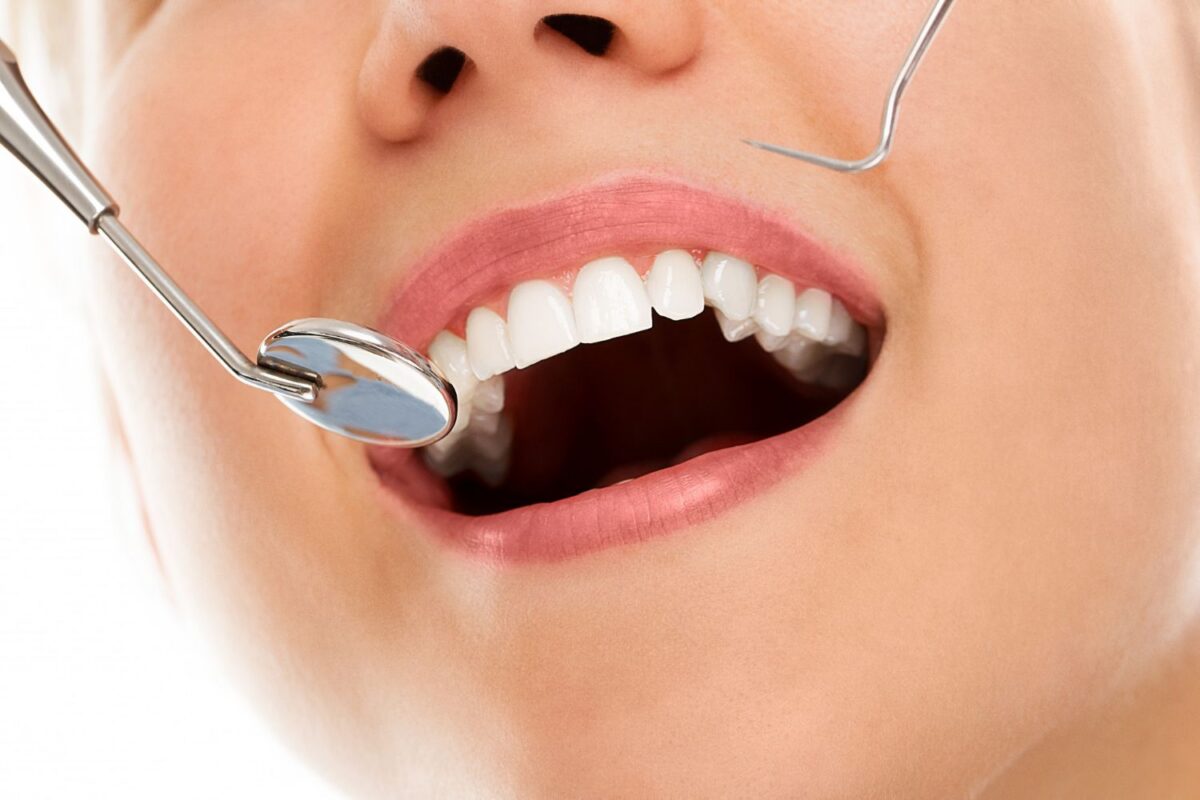
A bright, healthy smile can do wonders for your confidence. When your teeth and gums are in good shape, you feel more comfortable showing off your smile. This comfort can lead to a big boost in self-esteem. Conversely, dental issues can make you hesitant to smile, affecting how you interact with others.

Taking care of your teeth is an important part of taking care of yourself. Regular dental visits and good oral hygiene help maintain a healthy smile. This not only benefits your physical health but also your psychological well-being. A healthy smile can positively impact your mood, making you feel happier and more relaxed in social situations.

Moreover, having a confident smile can open doors both socially and professionally. People often judge us by our appearance, and a bright smile conveys friendliness and approachability. In professional settings, a confident smile can enhance your credibility and help you make a positive impression. Taking care of your teeth is a worthwhile investment for both your health and your confidence.

I. The Connection Between Oral Health and Self-Esteem


How Oral Health Affects Self-Esteem


Good oral health directly influences how we feel about ourselves. When your teeth and gums are in good shape, you’re more likely to feel confident about your appearance. A healthy, bright smile makes you feel good when you look in the mirror. On the other hand, dental issues like cavities, gum disease, or missing teeth can make you self-conscious. You might avoid smiling or laughing, which can lower your self-esteem and even affect your mood.

Psychological Benefits of a Healthy Smile


A healthy smile does more than just improve your looks; it boosts your mental well-being too. Smiling releases endorphins, which are chemicals in your brain that make you feel happy. When you’re proud of your smile, you’re more likely to smile often. This, in turn, can improve your overall mood and create a positive cycle of feeling good about yourself. Seeing a friendly smile in the mirror every day can help reduce stress and make you feel more relaxed.

The Impact of Dental Problems on Confidence


Dental problems can have a significant impact on your confidence. If you have dental issues, you might worry about bad breath, stained teeth, or gaps. These concerns can make social interactions stressful. You might feel embarrassed to talk to new people or avoid public speaking. This lack of confidence can affect your social life and even your professional life. Fixing these dental issues can help you regain your confidence and live a more fulfilling life.

II. The Role of Regular Dental Care in Maintaining a Healthy Smile


Importance of Routine Check-Ups and Cleanings


Regular dental check-ups and cleanings are essential for maintaining a healthy smile. Visiting the dentist twice a year allows for early detection of potential dental problems. During these visits, your dentist can spot cavities, gum disease, and other issues before they become serious. Cleanings remove plaque and tartar that regular brushing and flossing might miss. This helps prevent tooth decay and keeps your gums healthy, ensuring your smile remains bright and strong.

Preventative Measures to Keep Your Smile Healthy


Taking steps to prevent dental problems is much easier than treating them later. Brushing your teeth twice a day with fluoride toothpaste and flossing daily are basic practices that go a long way. Using mouthwash can help kill bacteria and keep your breath fresh. Eating a balanced diet low in sugary snacks and drinks also supports good oral health. Drinking plenty of water helps wash away food particles and keeps your mouth hydrated.

Treatments that Improve Dental Health and Appearance


If dental issues arise, there are various treatments available to restore and enhance your smile. Fillings can repair cavities, while crowns protect and strengthen damaged teeth. If you have missing teeth, dental implants or bridges offer permanent solutions. Cosmetic treatments, like teeth whitening and veneers, can transform your smile by making your teeth look whiter and more attractive. These treatments not only improve your dental health but also boost your confidence, helping you feel good about showing off your smile.

III. Practical Tips for Achieving a Healthy Smile


Daily Oral Hygiene Practices


Keeping your teeth clean is essential for a healthy smile. Brush your teeth twice a day using fluoride toothpaste and a soft-bristled toothbrush. Spend at least two minutes brushing all surfaces of your teeth. Flossing daily is also crucial. It removes food particles and plaque from between your teeth, areas that your toothbrush can’t reach. Using mouthwash helps kill bacteria and keeps your breath fresh.

Diet and Lifestyle Choices That Support Dental Health


What you eat and drink plays a big role in your oral health. Eating a balanced diet rich in fruits, vegetables, lean proteins, and whole grains can strengthen your teeth and gums. Limit sugary snacks and drinks, as they can lead to cavities. Drinking plenty of water helps wash away food particles and keeps your mouth hydrated. Avoid tobacco products, as they can stain your teeth and increase your risk of gum disease and oral cancer.

Over-the-Counter Products and Their Benefits


Several over-the-counter products can help you maintain a healthy smile. Fluoride toothpaste helps strengthen tooth enamel and prevent cavities. Whitening toothpaste can help remove surface stains. Use dental floss or interdental brushes to clean between your teeth. Mouthwash can kill bacteria, reduce plaque, and freshen breath. Choose products with the American Dental Association (ADA) seal of approval for safe and effective oral care.

IV. The Social and Professional Advantages of a Confident Smile


How a Healthy Smile Enhances Social Interactions


A healthy smile makes social interactions more enjoyable. When you feel good about your smile, you’re more likely to engage with others confidently. Smiling makes you appear friendlier and more approachable. This can improve your relationships with friends and family and help you make new connections. A bright smile can also boost your mood, making social gatherings more fun and less stressful.

The Role of a Confident Smile in Professional Settings


In professional settings, a confident smile can make a big difference. It shows that you take care of yourself and pay attention to detail. This can make a positive impression on your colleagues, clients, and employers. A confident smile can enhance your credibility and boost your chances of success in job interviews, presentations, and networking events. It helps you communicate more effectively and build stronger professional relationships.

The Long-term Benefits of Investing in Your Dental Health


Investing in your dental health has long-term benefits. Regular dental care and good oral hygiene can prevent many dental problems, saving you time and money in the long run. A healthy smile can boost your confidence, enhance your social and professional life, and positively impact your overall well-being. By taking care of your teeth now, you’re investing in your future by ensuring a healthy and happy smile.

Conclusion


Maintaining a healthy smile can profoundly impact your confidence and overall well-being. Good oral hygiene and regular dental visits ensure that your teeth and gums stay in excellent condition. A confident smile makes social interactions more enjoyable and positively influences your professional life. Taking care of your dental health is an investment in both your physical health and your self-esteem.

Whether it’s through daily brushing and flossing, choosing the right foods, or using effective dental products, every little effort contributes to a brighter, healthier smile. Understanding the significance of these practices can help you lead a happier and more confident life. Your dental health plays a significant role in your overall quality of life.


For trustworthy and gentle dental care, consider scheduling your next visit with our


Annapolis dentist


. Our dedicated team is here to help you maintain a healthy and beautiful smile. Book your appointment with Aria Dental of Annapolis today to start your journey toward improved dental health and boosted confidence.


Best Practices for Oral Hygiene at Every Age in Annapolis

From the moment the first tooth erupts in a toddler to the care required in senior years, maintaining oral health is a lifelong journey. Starting oral hygiene practices early in life not only sets the foundation for a healthy smile but also instills good dental habits that last a lifetime.

For young children and toddlers, learning the right way to brush and the importance of flossing from a young age is crucial. As children grow into teenagers, they face new challenges, such as dealing with braces and the temptations of sugary snacks, both of which can significantly impact dental health if not managed properly. 

Moving into adulthood and later years, the focus shifts towards preventing common dental issues like gum disease and maintaining the health of natural teeth as long as possible. For senior patients in Annapolis, we adjust dental care techniques to accommodate for sensitivity and other common issues associated with aging. 

Regular checkups and professional cleanings have become even more important in preserving dental health and functionality. Through each stage of life, our team at Aria Dental of Annapolis is here to ensure that every member of your family receives the care needed to enjoy a healthy, beautiful smile.

Oral Hygiene Basics for Children and Toddlers


At Aria Dental of Annapolis, we emphasize the importance of initiating oral hygiene habits from an early age. Introducing children to daily dental care routines can tremendously impact their lifelong oral health. For toddlers, this involves learning the right way to brush to avoid cavities and gum diseases, even before all their teeth have appeared. Parents should start cleaning a baby’s mouth with a soft, damp cloth and transition to a small, soft toothbrush as teeth emerge. Here are simple steps to ensure your child’s oral hygiene is on the right track:

1. Use a pea-sized amount of fluoride toothpaste for toddlers aged two and above. For those younger, a rice grain-sized amount of toothpaste is sufficient.

2. Gently brush the teeth with circular, sweeping motions, making sure to cover all surfaces of the teeth and reach back to the molars.

3. Teach your child to spit out toothpaste after brushing, emphasizing not swallowing it.

Additionally, flossing should not be overlooked, even in young children. Begin flossing your child’s teeth daily once their teeth touch each other. This habit prevents the buildup of plaque between teeth and along the gum line, which brushing alone cannot remove.

Maintaining Healthy Teeth During Adolescence


Navigating oral hygiene during the teenage years can be challenging, particularly with the introduction of orthodontic treatments such as braces. For teens with braces, maintaining thorough dental hygiene is crucial because food particles and plaque can easily lodge in the brackets and wires. We advise our adolescent patients and their parents on how to effectively care for teeth with braces:

– Use specialized orthodontic toothbrushes or a regular soft-bristled brush angled to brush around the braces.

– Employ interdental brushes or floss threaders to clean between the braces where a regular toothbrush can’t reach.

Teenagers also face specific oral health challenges, such as the temptation to consume sugary beverages and snacks, which can increase the risk of cavities. Providing a list of dentist-approved products can encourage better habits. These include sugar-free gum, which stimulates saliva production, helping to cleanse the mouth, and high-fluoride toothpaste for additional protection against decay.

Creating a daily routine that includes brushing at least twice a day and flogging daily is essential for maintaining healthy teeth and gums. Regular check-ups are also crucial to address any emerging dental issues early. By encouraging these practices, we help our adolescent patients at Aria Dental of Annapolis maintain a robust and healthy smile into adulthood.

Adult Oral Care: Preventing Common Dental Issues


In adult life, the connection between one’s diet, lifestyle, and oral health becomes increasingly evident. At Aria Dental of Annapolis, we stress the importance of not only adhering to routine dental care but also making wise lifestyle choices. A diet rich in vegetables, fruits, lean proteins, and dairy products supports healthy teeth and gums by providing necessary nutrients and minimizing the intake of sugars and starches that fuel harmful bacteria.

Routine dental care for adults should include brushing twice daily with a fluoride toothpaste and flossing once a day to remove plaque that forms along the gum line and between the teeth. Adults should also be vigilant for signs of gum disease and decay—such as bleeding gums, persistent bad breath, loose teeth, and sensitivity—which might indicate the need for more comprehensive dental treatment.

Senior Dental Care: Adapting Techniques as We Age


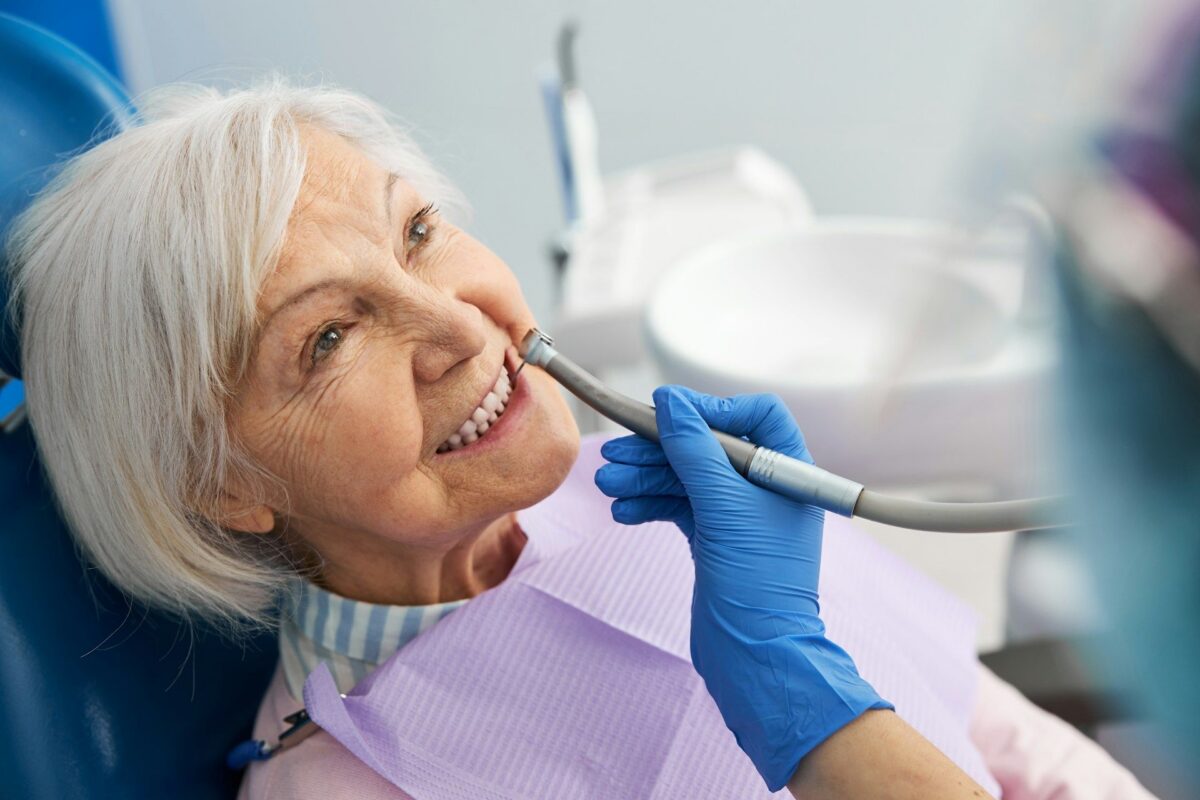
As we continue to serve the seniors of Annapolis, it becomes clear that dental care needs to evolve with age. Seniors may face specific challenges such as reduced saliva flow, which can increase the risk of decay and gum disease, or issues with dexterity that make traditional brushing and flossing difficult. To help our senior patients maintain their dental health, we recommend using electric toothbrushes, which are easier to handle and more effective at cleaning teeth.

Additionally, for those who find flossing challenging, water flossers can be a more comfortable and equally effective alternative. Regular dental checkups are crucial, as they allow us to monitor oral health closely, provide professional cleanings, and make adjustments to care as necessary. These visits are not just about checking teeth and gums but are integral in maintaining the overall health that impacts quality of life in the senior years.

Conclusion


Throughout each stage of life, from the tender gums of toddlers to the seasoned smiles of our seniors, maintaining optimal oral health is crucial for overall wellbeing. At Aria Dental of Annapolis, we are committed to guiding each patient through their unique dental journey with personalized care and advice. Our holistic approach ensures that our patients not only achieve but also maintain a healthy and vibrant smile.


If you are looking for an


Annapolis dental clinic


committed to providing lifelong care tailored to your individual needs, consider joining our dental family at Aria Status Dental of Annapolis. Contact us today to schedule your appointment and take the next step towards a healthier, happier smile. Here, every age smiles brighter!


Help Kids Overcome Fear of the Dentist

At Aria Dental of Annapolis, we understand that many children feel scared when it comes to visiting the dentist. This fear, known as dental anxiety, can make it challenging for kids to get the dental care they need. Dental anxiety can stem from various factors such as the unfamiliar environment, the sound of dental tools, or a previous negative experience. Recognizing and addressing these fears early is crucial for ensuring that your child maintains good oral health.

When children are anxious about dental visits, it can affect their overall well-being. They might refuse to go to the dentist, leading to problems with their teeth and gums over time. Additionally, this fear can make dental procedures more difficult for both the child and the dentist. The good news is that there are practical strategies parents can use to help their children feel more comfortable and overcome their dental anxiety. By providing reassurance and creating a positive association with dental care, we can make a significant difference in your child’s dental experience.

In this article, we will share practical tips to help ease your child’s fear of the dentist, create a positive dental experience at home, and explain how our dental office is specially designed to support anxious children. Our goal is to ensure that every child in Annapolis feels safe and comfortable during their dental visits, setting the foundation for a lifetime of good oral health.

Understanding Your Child’s Fear of the Dentist


Many children experience fear when visiting the dentist. This fear can be caused by several factors. One common reason is the unfamiliar environment. The bright lights, strange sounds, and dental instruments can be intimidating for a child. Additionally, a previous negative experience, such as a painful procedure, can make a child anxious about future visits. It’s essential to recognize these causes so we can address them effectively.

Dental anxiety in children can have significant effects. When a child is scared to visit the dentist, it often leads to avoidance, which can result in poor oral health. Fearful children might refuse treatment, making it challenging for us to provide the necessary care. This anxiety can also cause stress for the parents, who want the best for their child’s dental health. Understanding these impacts highlights the need for strategies to help kids feel more comfortable.


Practical Tips to Make Dental Visits Easier


Explaining a dentist visit to your child is a helpful first step. We recommend using simple, reassuring language to describe what will happen. For example, you can tell your child that the dentist is a friend who helps keep their teeth clean and healthy. Avoid using words that might trigger fear, like “pain” or “hurt.” Instead, focus on the positive aspects of the visit, such as choosing a new toothbrush or getting a prize.

Role-playing and familiarization techniques can also be effective. At home, you can play pretend dentist with your child, taking turns being the dentist and the patient. This can help your child become more comfortable with the idea of a dental visit. Showing your child pictures of the dental office or watching videos designed for kids about dental visits can also make the experience feel more familiar and less intimidating.

Bringing comfort items to the appointment can significantly ease your child’s anxiety. Allow your child to bring their favorite toy, blanket, or even a music playlist they like. These items can provide a sense of security and comfort. Arriving early to your appointment can also help your child acclimate to the environment, reducing their stress.

By implementing these practical tips, we aim to make each dental visit a positive experience for your child, setting the foundation for a lifetime of good oral health.

Creating a Positive Dental Experience at Home


Encouraging good oral hygiene habits at home is essential for making dental visits less intimidating. When children become familiar with brushing and flossing daily, they develop a routine that emphasizes the importance of taking care of their teeth. We suggest making brushing a fun activity by using colorful toothbrushes and toothpaste flavors that your child enjoys. Setting a consistent time each day for brushing, such as after breakfast and before bedtime, helps build a predictable routine.

To make brushing more enjoyable, you can incorporate fun activities and tools. For example, use a timer or play a two-minute song to ensure they brush for the right amount of time. Interactive apps and stories about dental care can also make the process engaging. By rewarding your child with stickers or small rewards for maintaining good oral hygiene, you can motivate them to keep up the habit. Creating a positive atmosphere around dental care at home lays the groundwork for a less fearful experience at the dentist’s office.

How Our Dental Office Can Help


At Aria Dental of Annapolis, we take specialized approaches to treat anxious children, ensuring their dental visits are as stress-free as possible. Our team is trained to recognize and handle dental anxiety with patience and compassion. We use calming techniques and gentle communication to explain each step of the visit to your child. This transparency helps to alleviate their fears and build trust in our dental care.

We strive to create a child-friendly environment in our office. Our waiting area is equipped with toys, books, and games to keep children entertained and relaxed before their appointment. During the visit, we offer distractions like videos or music to help children feel more comfortable. Additionally, we use child-sized dental instruments to make procedures less intimidating. By fostering a welcoming and safe space, we aim to make every child’s experience positive and reassuring.


Conclusion


Overcoming a child’s fear of the dentist is a journey that involves understanding, preparation, and a supportive environment. At Aria Dental of Annapolis, we are dedicated to helping your child feel at ease during their dental visits. By using practical tips to make appointments easier, creating a positive dental experience at home, and leveraging our specialized approaches, we strive to ensure that every child receives the dental care they need without fear or anxiety.


If you have concerns about your child’s dental health or would like to learn more about how we can help ease their fears, please reach out to our


Annapolis dental clinic


. Schedule an appointment with Aria Dental of Annapolis today, and let us work together to keep your child’s smile healthy and bright.

Importance of Regular Dental Checkups for Families

At Aria Dental of Annapolis, we understand the importance of regular dental checkups for you and your family. Visiting the dentist regularly is crucial for maintaining good oral health and catching problems early before they become serious. Dental checkups are not just about keeping your teeth clean; they play a significant role in preventing cavities and gum disease.

During a checkup, the dentist can spot early signs of dental issues that you might not notice. Detecting problems like cavities and gum disease early on can save you from more extensive and costly treatments later. Regular cleanings also help remove plaque and tartar buildup that can lead to these common dental problems.

Good oral health is closely linked to your overall well-being. Dental checkups can reveal signs of other health issues in their early stages, such as diabetes or vitamin deficiencies. By monitoring your oral health, dentists can provide valuable insights that contribute to your overall health. This makes regular dental visits essential for maintaining a healthy lifestyle for you and your family.

Preventing Dental Problems Before They Start


Regular dental checkups play a crucial role in preventing dental problems before they become serious issues. One of the key advantages of regular visits is the early detection of cavities and gum disease. When we catch these problems early, they can be addressed with simpler and less invasive treatments. This early intervention can prevent more significant pain, discomfort, and expense down the road.

Professional cleanings are another essential aspect of preventive dental care. Even if you brush and floss daily, plaque and tartar can still build up in hard-to-reach areas of your mouth. During a professional cleaning, dental hygienists use special tools to remove this buildup, reducing your risk of cavities and gum disease. Cleanings also help to keep your teeth looking their best by removing surface stains and giving you a brighter smile.

Beyond just cleaning, a dental checkup allows us to provide personalized advice on how to maintain your oral health. We can identify areas where you might be missing when brushing or flossing and suggest strategies to improve your at-home care. By following this advice and maintaining regular checkups, you can enjoy better dental health and avoid more serious issues.

Monitoring Overall Health Through Dental Visits


Your oral health provides a window into your overall health. Many health conditions show early signs in the mouth, making regular dental visits an important part of your overall healthcare routine. For example, gum inflammation can be a symptom of systemic conditions like diabetes or cardiovascular disease. By spotting these signs early, we can recommend that you seek further medical evaluation.

During routine checkups, we also look for other indicators of health issues. Dry mouth, for instance, can be a side effect of certain medications or indicate autoimmune disorders. Similarly, frequent mouth sores could suggest nutritional deficiencies or be a reaction to certain foods or products. Identifying these signs early allows you to address potential health problems before they become more serious.

Furthermore, we perform oral cancer screenings during your dental visits. Detecting early signs of oral cancer is critical for successful treatment and can significantly improve outcomes. Regular checkups ensure that these screenings are done consistently, giving you peace of mind about your oral and overall health. By closely monitoring your dental health, we help you maintain a healthier life.

Building Good Dental Habits for Kids


Teaching children the value of regular checkups is essential for their long-term oral health. When we help kids understand why dental visits are important, they are more likely to develop positive attitudes toward dental care. Explain in simple terms how the dentist helps keep their teeth strong and healthy. You can compare dental visits to other regular checkups, like seeing the doctor to stay healthy.

Making dental visits a positive experience can also help build good habits. Try scheduling appointments at a time when your child is usually well-rested and not hungry. Bring a favorite toy or book to keep them comfortable in the waiting room. Reward your child after appointments with a small treat or a fun activity, reinforcing that going to the dentist is a good thing.

In addition, role-playing dental visits at home can prepare children for what to expect. Let them practice being both the dentist and the patient. This familiarization can alleviate fear and make the actual visit less intimidating. Consistently positive experiences at the dentist will help children view dental care as a normal and important part of life.

Long-Term Benefits of Regular Dental Checkups


Saving money on future dental treatments is one of the long-term benefits of regular dental checkups. By addressing small issues early, we can often prevent them from becoming bigger, more expensive problems. Regular visits help avoid costly and extensive treatments like root canals, extractions, or gum surgeries. Preventive care is always more affordable and less stressful than emergency treatments.

Maintaining a bright and healthy smile throughout life is another significant benefit. Regular checkups and cleanings keep teeth free from plaque and tartar, reducing the risk of cavities and gum disease. This ongoing care helps preserve your natural teeth and keeps your smile looking its best.

In addition, regular dental care supports overall health. By preventing oral health problems, you reduce the risk of related issues that can affect the rest of your body. Stable dental health means fewer health complications and a higher quality of life. Making dental checkups a routine part of your family’s healthcare ensures long-lasting benefits for everyone.

Conclusion


Regular dental checkups are crucial for maintaining the health and well-being of your family. They help prevent dental problems, monitor overall health, and build good habits for children, offering long-term benefits that extend beyond just keeping teeth clean. By prioritizing regular dental visits, you can save money on future treatments, ensure bright and healthy smiles, and support better general health for your entire family.


At Aria Dental of Annapolis, we are dedicated to providing gentle, family-oriented dental care. Schedule your family’s next checkup with us today to ensure your loved ones get the best care possible. Let our


Annapolis dental clinic


be your partner in achieving and maintaining excellent oral health for your whole family.


Best Foods for Strong Teeth and Healthy Gums

Keeping your teeth and gums healthy goes beyond just brushing and flossing. The foods you eat play a crucial role in maintaining strong teeth and preventing gum disease. At Aria Dental of Annapolis, we believe in the power of good nutrition to support your oral health. By understanding which foods are beneficial and which ones to avoid, you can make smarter choices that contribute to a healthier smile.

Certain nutrients are particularly important for dental health. Calcium and phosphorus help strengthen tooth enamel and protect against decay. Vitamins such as Vitamin C and Vitamin D also play a significant role in keeping your gums healthy and supporting overall oral wellness. Including foods rich in these nutrients in your daily diet can make a big difference in your dental health.

In addition to adding beneficial foods, it’s crucial to be aware of those that can harm your teeth. Sugary snacks and acidic drinks can lead to cavities and erode enamel, increasing the risk of dental issues. By balancing your diet to include more tooth-friendly options and minimizing harmful foods, you can ensure that your teeth and gums stay in excellent shape. 

Let’s explore the best foods for your teeth and gums and how to incorporate them into your everyday meals.

Exploring Foods High in Calcium


Calcium is a vital mineral for strong teeth. It helps harden the enamel, the outer layer that protects your teeth from decay. Dairy products like milk, cheese, and yogurt are excellent sources of calcium. 

These foods are rich in calcium and easy to incorporate into your daily meals. For those who are lactose intolerant or prefer non-dairy options, almonds, tofu, and leafy greens such as kale and broccoli are great alternatives. Consuming these foods regularly helps keep your teeth strong and healthy.

Calcium is also important for your overall bone health, which is closely linked to your dental health. Your jawbone, which supports your teeth, benefits from a diet high in calcium. Ensuring you get enough calcium in your diet helps maintain the strength and stability of your entire mouth.

Importance of Phosphorus in Dental Health


Phosphorus works hand-in-hand with calcium to build strong teeth. It helps the body absorb calcium and contributes to the formation of tooth enamel. Foods rich in phosphorus include meat, fish, eggs, nuts, and whole grains. Shellfish and dairy products are particularly high in phosphorus, making them excellent choices for a tooth-friendly diet.

Including phosphorus-rich foods in your meals helps ensure that your body can effectively use the calcium you consume. This combination is essential for maintaining robust teeth and preventing dental problems. By focusing on both calcium and phosphorus, you can create a balanced diet that supports your dental health from every angle.

Role of Vitamin C in Gum Health


Vitamin C plays a critical role in maintaining healthy gums. It helps repair tissues and promotes healing, which is essential for keeping your gums strong and resilient. Citrus fruits like oranges, grapefruits, and lemons are well-known sources of Vitamin C. Other foods rich in this vitamin include strawberries, bell peppers, and spinach. Incorporating these items into your diet can help prevent gum diseases such as gingivitis and periodontitis.

Vitamin C also acts as an antioxidant, protecting your gums from damage caused by harmful bacteria and inflammation. Regular consumption of Vitamin C-rich foods helps keep your gums healthy and supports overall oral health. Encourage your family to eat these fruits and vegetables to promote healthy gums.

Benefits of Vitamin D for Oral Wellness


Vitamin D is crucial for your oral health because it helps your body absorb calcium effectively. Without adequate Vitamin D, even a diet high in calcium might not fully benefit your teeth. Regular exposure to sunlight is a natural way to boost Vitamin D levels. Foods such as fatty fish (like salmon and mackerel), egg yolks, and fortified dairy products are excellent sources of this vital nutrient.

A sufficient intake of Vitamin D supports strong bones, including your jawbone, and contributes to the health of your teeth and gums. Including Vitamin D-rich foods in your diet helps ensure that your body can make the most of the calcium you consume, promoting strong, healthy teeth and a beautiful smile.

Sugary Snacks and Their Impact on Teeth


Sugary snacks are among the worst offenders when it comes to oral health. When you eat sugary foods, bacteria in your mouth feed on the sugar and produce acids that can erode tooth enamel. This process leads to cavities and tooth decay. 

Common sugary snacks include candies, cookies, cakes, and even certain cereals. Consuming these treats in moderation is key, but it’s best to limit them as much as possible to protect your teeth.

It’s also important to be mindful of hidden sugars in foods. For instance, some sauces, yogurts, and drinks have added sugars that can harm your teeth. Reading labels to check for sugar content and opting for healthier alternatives can help you maintain better oral health.

Dangers of Acidic Foods and Drinks


Acidic foods and drinks can also pose a threat to your dental health. Acidic substances can wear down the enamel on your teeth, making them more susceptible to decay. Common acidic foods and beverages include soda, citrus fruits, vinegar, and wine. While some of these foods have health benefits, it’s important to consume them in moderation and follow up with water to rinse your mouth.

Drinking plenty of water throughout the day helps wash away acids and bacteria from your teeth. Chewing sugar-free gum can also stimulate saliva production, which naturally neutralizes acids in the mouth. By being mindful of acidic foods and drinks, you can better protect your enamel and reduce the risk of dental problems.

Creating Meal Plans for Good Dental Health


A balanced diet is essential for maintaining strong teeth and healthy gums. Planning nutritious meals helps you ensure you’re getting the right nutrients to support oral health. Start by including a variety of fruits, vegetables, proteins, and whole grains in your daily diet. Foods rich in calcium, phosphorus, and vitamins are particularly important for dental health.

For example, a typical meal plan might include yogurt and berries for breakfast, a spinach salad with grilled chicken for lunch, and baked salmon with steamed broccoli for dinner. Snacks can include nuts, cheese, and fresh fruits. By planning your meals ahead of time, you can make healthier choices that benefit your teeth and gums.

Simple Recipes Featuring Tooth-Friendly Foods


Incorporating tooth-friendly foods into your meals doesn’t have to be complicated. Here are a few simple recipes to get you started:

1. Cheese and Vegetable Omelet: Whisk eggs and pour into a heated pan. Add shredded cheese, spinach, and bell peppers. Cook until the eggs are set.

2. Almond and Berry Smoothie: Blend almond milk, a handful of strawberries, and a banana for a nutritious, calcium-rich smoothy.

3. Grilled Chicken and Broccoli: Marinate chicken breasts with olive oil, garlic, and lemon juice. Grill until cooked through and serve with steamed broccoli.

These easy recipes incorporate ingredients that support good oral health, making it simple to maintain a balanced diet.

Nutrient-Rich Foods for Optimal Oral Health


A balanced diet plays a crucial role in maintaining strong teeth and healthy gums. By focusing on nutrient-rich foods, avoiding harmful snacks, and creating thoughtful meal plans, you can enhance your oral health significantly. Vitamins like calcium, phosphorus, Vitamin C, and Vitamin D are especially beneficial for your teeth and gums.


At Aria Dental of Annapolis, we believe that good nutrition is a vital component of oral care. Along with regular dental checkups and proper hygiene, eating the right foods can help you prevent dental issues and maintain a beautiful smile. Our team is dedicated to providing gentle,


family-oriented dental care to the Annapolis community


.

We are here to support your family’s dental health with compassion and expertise. Call us today and take the next step towards a healthier smile!

Dental Care for Seniors: Tips, Treatments, and Preventive Measures

As we age, maintaining proper oral health becomes increasingly crucial, as oral health is closely linked with overall well-being. In this comprehensive guide, we will address the unique dental care needs of seniors in Annapolis, MD, and provide essential tips, treatment recommendations, and preventive measures to help older adults maintain optimal oral health and enjoy the benefits of a healthy, beautiful smile.

Age-Related Dental Concerns


As we age, our oral health faces unique challenges and vulnerabilities. Some common age-related dental issues seniors might encounter include:

1. Tooth Decay: Older adults are more susceptible to cavities and decay due to the natural wear of tooth enamel and increased gum recession, which can expose tooth roots.

2. Gum Disease: Advanced age, poor dental hygiene, tobacco usage, and certain medications can heighten the risk of gum disease, which can lead to tooth loss if left untreated.

3. Oral Cancer: The risk of oral cancer increases with age, making regular screenings an important preventive measure.

4. Dry Mouth: Dry mouth is a common side effect of many medications seniors take, and it can lead to increased risks of decay, gum disease, and bad breath.

5. Tooth Loss: The cumulative effects of aging, decay, and gum disease can result in tooth loss, which can impact both aesthetics and functionality.

Dental Care Tips for Seniors


To maintain optimal oral health during the golden years, seniors should follow these essential dental care tips:

1. Proper brushing: Brush your teeth at least twice a day with a soft-bristled toothbrush and fluoride toothpaste to effectively remove plaque and bacteria.

2. Flossing: Daily flossing helps to clean the areas between teeth and beneath the gum line, minimizing the risk of gum disease and cavities.

3. Balanced diet: A nutrient-rich diet with plenty of fruits, vegetables, and dairy can help support healthy teeth and gums.

4. Limit sugary and acidic foods: Reducing the consumption of sugary and acidic foods can help prevent tooth decay and enamel erosion.

5. Stay hydrated: Drink plenty of water throughout the day to combat dry mouth and keep the mouth clean and fresh.

Preventive Measures


Preventive dental care is the key to successfully keeping age-related dental issues at bay. Some preventive measures seniors should consider include:

1. Regular dental checkups: Visit your dentist for regular checkups and professional cleanings, which help identify and address dental issues early on.

2. Oral cancer screenings: Regular oral cancer screenings during your dental checkups can aid in early detection and improve treatment outcomes.

3. Fluoride treatments: Ask your dentist whether fluoride treatment is suitable for you, as it can help strengthen tooth enamel, especially for seniors who suffer from dry mouth.

4. Dental sealants: Dental sealants can be applied to molars’ chewing surfaces to prevent food particles and bacteria from becoming lodged, reducing the risk of cavities.

Dental Treatment Recommendations


As seniors encounter age-related dental issues, tailored dental treatments may be necessary to maintain oral health and functionality:

1. Dental implants: Dental implants offer a permanent, durable solution for replacing missing teeth, restoring both appearance and function.

2. Dentures: Full or partial dentures can replace missing teeth, improving chewing ability, speech, and aesthetics.

3. Periodontal therapy: Gum disease is a significant concern for seniors; thus, periodontal therapy, such as scaling and root planing, can halt disease progression and preserve natural teeth.

4. Crowns and bridges: Dental crowns and bridges can strengthen weakened or damaged teeth, restoring the functionality and esthetics of your smile.

The Importance of Regular Dental Checkups


Regular dental checkups are essential for seniors as they play a crucial role in maintaining good oral health and overall well-being:

1. Early detection: Routine dental visits help spot early signs of tooth decay and gum disease, leading to more timely and effective treatments.

2. Oral cancer screening: Dentists routinely screen for oral cancer during dental checkups, ensuring early detection and better treatment outcomes.

3. Tailored care: Regular visits allow your dentist to assess your unique dental needs, providing tailored care to ensure optimal oral health.

4. Education: Your dentist can provide valuable guidance on proper oral hygiene practices, diet, and lifestyle choices to enhance your oral health.

Conclusion


Prioritizing senior dental care in Annapolis, MD, is crucial for maintaining a beautiful, healthy smile and overall well-being throughout the golden years. By following these essential tips, treatments, and preventive measures, older adults can mitigate age-related dental issues and enjoy the benefits of proper oral health. 


If you or a loved one is in need of dental care specifically tailored to seniors, reach out to Aria Dental of Annapolis today to schedule a consultation. Our experienced and compassionate team is committed to providing gentle, personalized


Annapolis dental care


to ensure that seniors in our community receive the support they need for optimal oral health.


What to Expect During Your First Dental Visit

Visiting the dentist for the first time can feel a bit daunting, but knowing what to expect can make the experience much easier. At Aria Dental of Annapolis, our goal is to provide gentle, family-oriented care to ensure you feel comfortable and well taken care of from the moment you walk through our doors. Whether you’re bringing your child for their first visit or it’s your own first appointment, understanding the process can help set your mind at ease.


Before your appointment, there are a few things you’ll need to prepare. This includes filling out medical history and insurance forms, which help us understand your health background and coverage. Bringing your ID, insurance card, and any prior dental records will also streamline the process and ensure we have all the information we need.


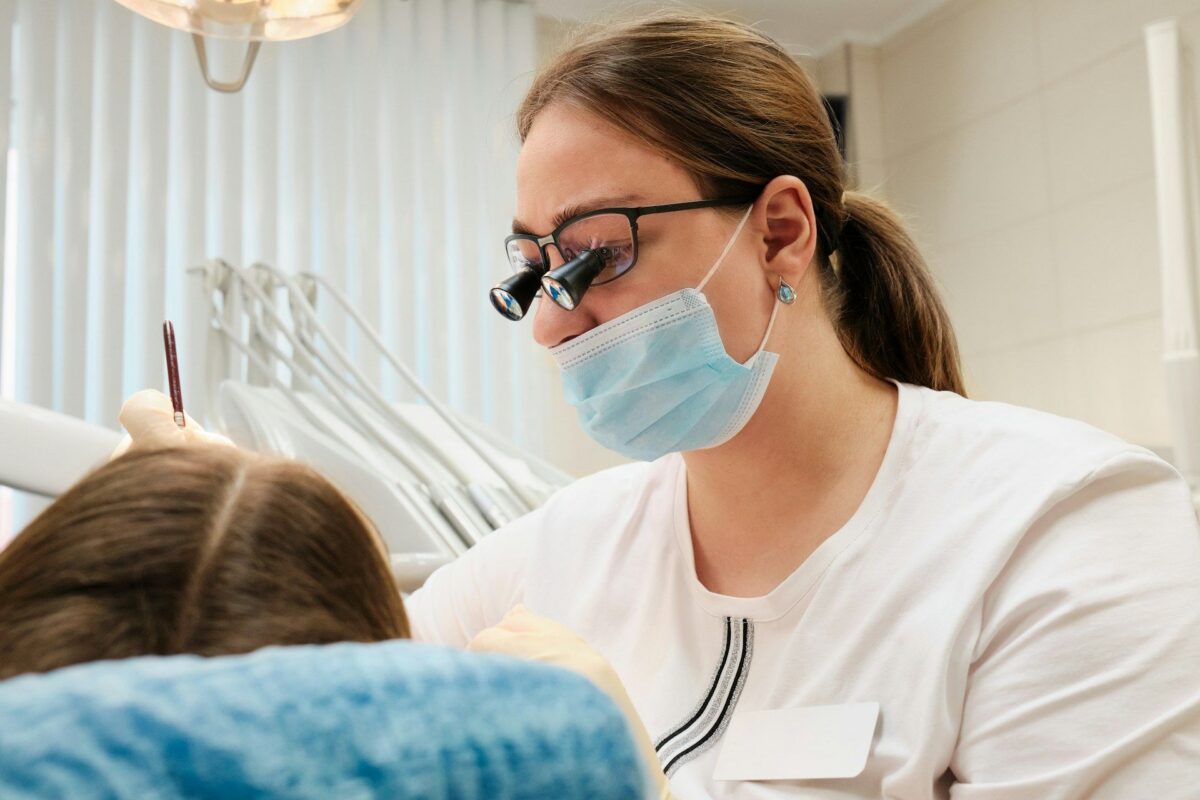
Once you’re at the office, you’ll meet our friendly dental team. This includes the dentist and the dental hygienist, who will be with you throughout your visit. They’ll introduce themselves, explain their roles, and let you know how they’ll assist you. This initial interaction is key to building a trusting relationship and making sure you’re relaxed throughout your visit.


Before Your Appointment: Preparing for Your Visit


Preparation is key to ensuring your first dental visit goes smoothly. One of the first steps is filling out medical history and insurance forms. These forms provide your dentist with important information about your health background, any current medications, and past dental issues. This helps us better understand your dental needs and tailor our care to you. Completing these forms accurately and thoroughly ensures your dentist is aware of any special considerations during your treatment.


Next, it’s important to know what to bring to your appointment. You’ll need to bring a valid ID, your insurance card, and any dental records you might have from previous dentists. These documents help verify your identity and coverage, ensuring everything is in order for your visit. Having your dental records handy can also provide your new dentist with a comprehensive history of your oral health, saving time and avoiding the need for duplicate information.


Remember, being prepared not only makes the check-in process quicker but also helps your dentist give you the best possible care. Double-check your appointment time and arrive a little early to complete any last-minute paperwork and settle in before meeting the dental team.


Meeting the Dental Team: What to Expect


When you arrive for your first dental visit, you’ll meet the professional and caring dental team at Aria Dental of Annapolis. Your initial contact will likely be with the receptionist, who will confirm your appointment and process any necessary paperwork. They will then introduce you to the dental hygienist and the dentist, who will be taking care of you during your visit.


The dental hygienist plays a crucial role in your oral health care. They will start by discussing your medical history and any dental concerns you may have. The hygienist will also explain the procedures they will be performing, like cleaning your teeth and taking X-rays. Their goal is to make you feel comfortable and informed throughout the process.


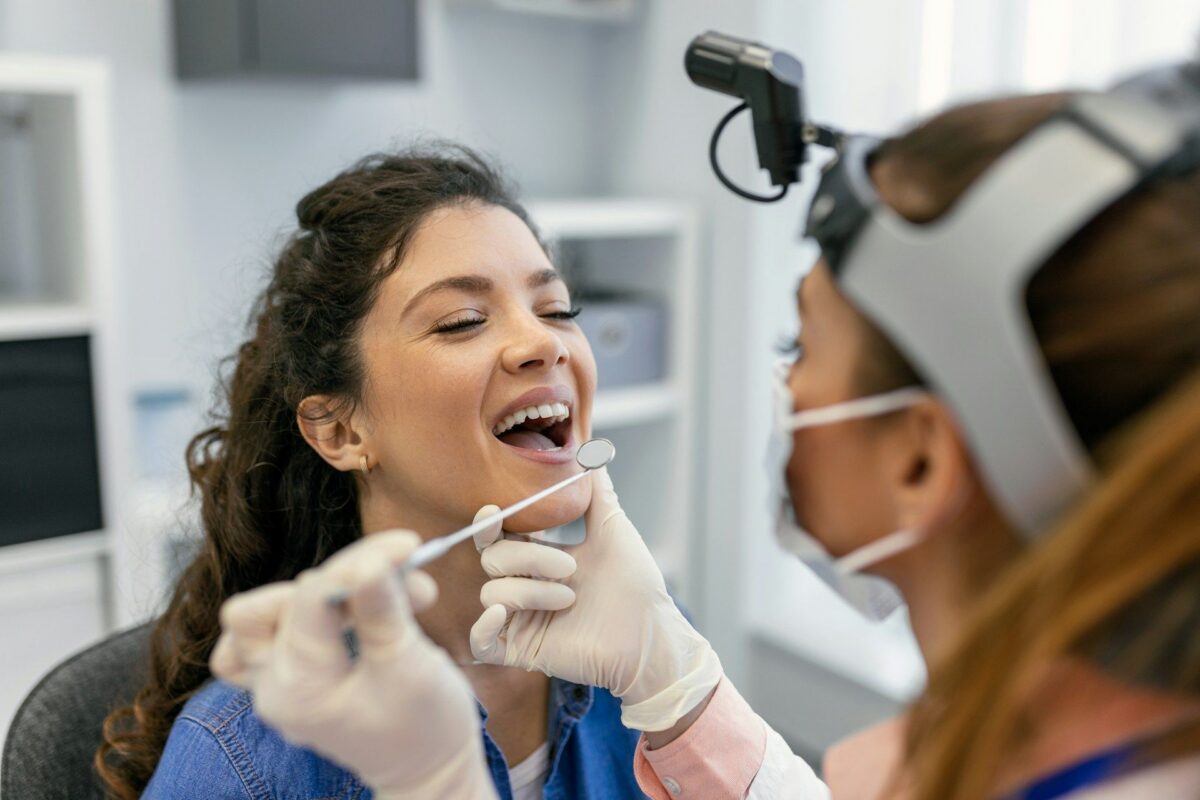
The dentist will then join you to conduct a comprehensive examination of your mouth. They will review your medical history, ask about any dental issues you’re experiencing, and discuss your overall oral health. The dentist’s role is to diagnose any potential problems, develop a treatment plan, and provide you with tips on maintaining good oral hygiene.


Meeting the dental team is an essential part of your visit because it builds trust and ensures you feel comfortable during your appointment. Knowing who will be working with you and what their roles are can help alleviate any anxiety you might have about the visit.


The Initial Examination: Step-by-Step Guide


During your first dental visit, the initial examination is a crucial part of understanding your oral health. This exam starts with a thorough review of your medical and dental history to ensure all information is current and accurate. The dentist will then conduct a comprehensive oral exam, which includes checking your teeth, gums, and mouth for any signs of problems such as cavities, gum disease, or oral infections.


One of the essential parts of the initial examination is taking X-rays. These images are critical for spotting issues that can’t be seen with a visual inspection alone, such as problems below the gum line or inside the teeth. X-rays help the dentist get a complete picture of your oral health, allowing them to identify potential issues early. The process is quick and painless, and your safety is ensured with modern equipment that uses minimal radiation.


With the combined information from the visual exam and X-rays, the dentist can make informed decisions about your dental care. This thorough examination sets the stage for maintaining and

 improving your oral health through a personalized care plan.


Discussing Your Dental Health Plan


After completing the examination, the dentist will review the findings with you. They will explain the condition of your teeth and gums and point out any areas of concern. This discussion is an opportunity for you to ask questions and better understand your oral health. The dentist will also provide advice on how to improve your dental hygiene habits at home.


Next, the dentist will work with you to create a personalized treatment plan. This plan is tailored to your specific needs and may include procedures such as fillings, cleanings, or other necessary treatments. The dentist will outline the steps involved and give you an overview of what to expect during each procedure. They will also discuss the importance of routine check-ups to keep your mouth healthy.


Your dental health plan is designed to address current issues and prevent future problems. By following this plan, you can ensure that your teeth and gums remain healthy for years to come. The dentist will schedule follow-up appointments to monitor your progress and make any necessary adjustments to your care.


Conclusion


Understanding what to expect during your first dental visit can make the experience less stressful and more productive. From preparing for your appointment and meeting the dental team to undergoing the initial examination and discussing your health plan, each step is designed to ensure you receive the best possible care. At Aria Dental of Annapolis, we strive to provide a welcoming and comfortable environment for all our patients, helping you maintain excellent oral health.


If you’re ready to schedule your first dental visit or have any questions about the process, don’t hesitate to contact us. Let Aria Dental of Annapolis be your partner in achieving and maintaining a healthy smile. Call today to book your appointment with our


dentists in Annapolis


and take the first step toward a bright dental future.


Comprehensive Guide to Dental Crowns in Annapolis, MD: Restore and Protect Your Smile

Dental crowns are a versatile solution for addressing various dental concerns, ranging from tooth decay to cracked or broken teeth. As a family-oriented dental practice in Annapolis, MD, we are dedicated to providing our patients with comprehensive information to assist them in making informed decisions about their oral health. In this blog post, we will explore dental crowns, their types, the treatment process, and the benefits of opting for crown restoration.

Dental Crown Overview


A dental crown, commonly called a “cap,” is a custom-made, tooth-shaped covering that encases the entire visible portion of a tooth to restore its shape, size, strength, and appearance. Dental crowns serve several purposes, including protecting weakened or damaged teeth, covering dental implants, and enhancing cosmetic appearance. In our dental practice, we use state-of-the-art technologies and materials to create crowns that fit seamlessly with your natural teeth, ensuring optimal comfort and aesthetics.

Indications for Dental Crowns


Dental crowns may be recommended to address several dental concerns, including:

  1. Large Fillings: A dental crown is placed to protect the tooth from breakage or further damage when a tooth has a large filling and limited remaining tooth structure.

  2. Root Canal Treatment: After undergoing root canal therapy, a tooth is more prone to fracture due to the removal of tooth structure. A dental crown adds strength and protection to the treated tooth.

  3. Cracked or Broken Teeth: A dental crown can effectively repair and protect teeth that are cracked, fractured, or broken due to decay or trauma.

  4. Cosmetic Concerns: Crowns can improve the appearance of discolored or misshapen teeth, creating a more visually appealing and well-proportioned smile.

  5. Dental Implants: A dental crown is typically used as the final restoration for dental implants, replacing a missing tooth.

Types of Dental Crowns


There are several types of dental crowns available, each with its advantages and disadvantages. An assessment of your needs and preferences will help determine the most suitable crown material for you.

  1. Ceramic: Ceramic crowns are made of tooth-colored material and are popular for their esthetic appeal, suitable for front teeth restorations.

  2. Porcelain-Fused-to-Metal (PFM): PFM crowns offer an ideal combination of strength and esthetics. The metal substructure provides durability, while the porcelain exterior matches the natural tooth color.

  3. Gold: Gold crowns provide excellent strength and durability but have a metallic appearance, which may not be desirable for some patients.

  4. Zirconia: Zirconia crowns are known for their incredible strength, biocompatibility, and aesthetics. They are suitable for patients with metal allergies and can be used for both front and back teeth restorations.

The Dental Crown Procedure


The dental crown treatment typically requires two visits and involves the following steps:

  1. Tooth Preparation: During your initial consultation, we will prepare the affected tooth by removing a small portion of the enamel to make room for the crown. This process ensures a proper fit and functional bite.

  2. Impressions: After tooth preparation, impressions of your tooth will be taken. These impressions are sent to a dental lab, where your custom crown will be crafted.

  3. Temporary Crown: To protect your prepared tooth, we will place a temporary crown until your permanent restoration is ready, which usually takes about two weeks.

  4. Crown Placement: Once your custom dental crown is ready, you will return to our office for placement. We will remove the temporary crown and check the fit, color, and bite of the permanent crown. If everything looks and feels right, we will cement the permanent crown in place.

The Benefits of Dental Crown Restoration


Dental crowns offer numerous advantages, such as:

  1. Restoring Function: Crowns enable you to chew and speak with ease, ensuring optimal functionality.

  2. Aesthetic Enhancement: Dental crowns improve the appearance of damaged or discolored teeth, boosting self-confidence and providing a beautiful smile.

  3. 3Durability: Dental crowns are made of robust, long-lasting materials designed to withstand daily wear and tear.

  4. Tooth Protection: Crowns protect and support weakened or damaged teeth, preserving your natural tooth structure.

Conclusion


Dental crowns play a crucial role in preserving and maintaining optimal oral health for residents of Annapolis, MD. Our experienced and compassionate dental team at Aria Dental of Annapolis is dedicated to providing high-quality care during every step of the dental crown process. If you suspect that a dental crown may be the solution to restoring your oral health, please contact us to schedule a consultation. Together, we will assess your needs, answer any questions, and guide you through the treatment process to ensure your restored smile is functional and beautiful with our


Annapolis dental crown


service!


Understanding the Importance of Root Canal Treatment in Annapolis, MD: Saving Your Natural Teeth

Root canal treatment is a necessary dental procedure for many individuals experiencing tooth pain or infection caused by damaged or infected tooth pulp. As a family-oriented dental practice in Annapolis, MD, we are committed to providing our patients with comprehensive information to help them make well-informed decisions about their oral health. In this blog post, we will delve into the intricacies of root canal treatment, debunk common misconceptions and fears surrounding the procedure, and explain how this essential treatment can save your natural teeth.

This blog post aims to provide valuable insights for the community of Annapolis, MD, regarding the importance of root canal treatment for preserving natural teeth and maintaining oral health. By dispelling common fears and misconceptions, we hope to empower our patients to take control of their dental well-being and seek necessary treatment confidently.

The Root Canal Anatomy


To comprehend the root canal treatment process, it is essential to understand the anatomy of a tooth. Teeth comprise a hard outer layer called enamel, a slightly softer layer called dentin, and an inner chamber containing the dental pulp. This inner chamber consists of blood vessels, nerves, and connective tissue, providing nutrients while removing waste from the tooth.

The dental pulp plays a vital role in tooth development; however, when the pulp becomes infected or irreversibly damaged, it can cause severe pain and may lead to tooth extraction if left untreated. Root canal treatment is designed to save the tooth by removing the damaged pulp and filling the root canal system.

Root Canal Treatment Indications


Some common signs and reasons for root canal treatment include:

  1. Severe Toothache: Persistent tooth pain, especially when biting or applying pressure, may indicate infected or damaged pulp within the tooth.

  2. Dental Trauma: Accidents, such as sports injuries or falls, can cause damage to the tooth, leading to pulp inflammation or infection.

  3. Sensitivity to Hot and Cold: Lingering tooth sensitivity to hot and cold temperatures may also signify pulp damage requiring root canal treatment.

  4. Swollen Gums: Swollen or tender gums near the affected tooth can result from a localized infection within the root canal system.

  5. Discolored Tooth: A darkened tooth may be another indication of tooth pulp issues that warrant root canal treatment.

If you experience any of these signs, it’s essential to consult with a dental professional promptly to assess the need for root canal treatment and preserve your natural tooth.

The Root Canal Procedure


Root canal treatment is a precise, multi-step procedure that removes damaged pulp and protects the tooth from further infection. Here’s what you can expect during a root canal treatment:

  1. Evaluation and X-Rays: Our skilled dental team will perform a thorough evaluation and take X-rays to determine the extent of the infection or damage.

  2. Anesthesia: Although many patients fear this procedure due to misconceptions about pain, we administer local anesthesia to numb the area, ensuring a virtually painless experience.

  3. Pulp Removal and Canal Cleaning: Once the area is numb, a small opening is created at the tooth’s crown, enabling access to the pulp chamber. We then carefully remove the damaged or infected pulp and clean the root canal system to eradicate bacteria and debris.

  4. Canal Shaping and Filling: After cleaning, the canals are reshaped, and a biocompatible material, usually gutta-percha, is used to fill them, providing a seal that prevents re-infection.

  5. Temporary Filling and Crown Placement: A temporary filling is placed on the tooth to protect the area until a permanent restoration, such as a dental crown, can be placed.

Debunking Root Canal Myths


Root canal treatment has long been associated with pain and fear, mainly due to misconceptions and outdated information. Here, we aim to debunk some common myths:

1. Myth: Root Canal Treatment is Painful


Truth: With modern anesthesia and dental techniques, root canal treatment is typically as painless as a routine filling.

2. Myth: Tooth Extraction is a Better Option


Truth: Saving your natural tooth through root canal treatment is always preferable when possible, as it allows for better functionality, esthetics, and overall oral health.

3. Myth: Root Canal Treatment Causes Illness or Infection


Truth: Root canal treatment is performed to eradicate infection and protect the tooth from future infection. The procedure itself does not cause illness.

The Benefits of Root Canal Treatment


Root canal treatment offers many benefits, including:

  1. Tooth Preservation: The primary goal of root canal treatment is to save your natural tooth, which provides better function and esthetics compared to artificial tooth replacements like bridges or dental implants.

  2. Pain Relief: By removing the damaged or infected pulp, root canal treatment alleviates toothache and discomfort.

  3. Protection from Further Infection: The root canal system is thoroughly cleaned and sealed, preventing further bacterial invasion and the need for additional treatment.

Conclusion


Root canal treatment plays a critical role in preserving natural teeth and maintaining oral health for the residents of Annapolis, MD. Our dedicated and experienced


dentist in Annapolis


is committed to providing compassionate and skillful care during every step of the root canal process. If you suspect that you or a loved one may need root canal treatment, reach out to us to schedule a consultation. Together, we will assess your individual needs, answer any questions, and help guide you through the treatment process to ensure that you enjoy the lasting benefits of a healthy, pain-free smile.


Comprehensive Orthodontic Solutions in Annapolis, MD: Achieving a Picture-Perfect Smile

Orthodontic treatment plays a vital role in enhancing oral health, functionality, and esthetics for both adults and children. At our family-focused dental practice in Annapolis, MD, we recognize the importance of delivering comprehensive orthodontic solutions to help our patients achieve a perfectly aligned and healthy smile. In this informative and engaging blog post, we aim to explore the ins and outs of orthodontics, from the importance of early evaluation to the different treatment methods available for diverse age groups and conditions.

The Significance of Orthodontic Treatment


Orthodontic treatment is essential for individuals with teeth and jaw misalignments, also known as malocclusions. Such misalignments can lead to a variety of oral health issues, including difficulty chewing, increased risk of tooth decay, and speech impediments. Orthodontics aims to correct these problems by gradually shifting teeth and jaws into proper alignment, enhancing oral function and dental esthetics.

Some benefits of orthodontic treatment include:

  1. Improved Oral Health: Properly aligned teeth are easier to clean, reducing the risk of tooth decay and gum disease.

  2. Enhanced Functionality: Orthodontic treatment addresses issues such as overcrowding, spacing, bite irregularities, and jaw misalignments to improve overall oral function, including chewing and speech.

  3. Aesthetics and Confidence: A straight, well-aligned smile can significantly boost self-esteem and contribute to a healthier, more attractive appearance.

Early Orthodontic Assessment


Scheduling an early orthodontic evaluation for your child is crucial, as it helps identify potential issues during development. The American Association of Orthodontists recommends that children have their first orthodontic check-up no later than age seven. Some benefits of early assessment include:

  1. Timely Intervention: Detecting orthodontic issues early allows for more effective treatment, potentially shortening the treatment duration and achieving improved results.

  2. Preventive Care: Eliminating the causes of developing orthodontic problems can help prevent more significant issues from arising in the future.

  3. Monitoring Growth: Regular orthodontic assessments during a child’s growth ensure that any necessary treatment can commence at the most opportune time.

Orthodontic Solutions for Adults


Orthodontic treatment is not limited to children or teenagers. An increasing number of adults are now seeking orthodontic solutions to improve their oral health, functionality, and appearance. Some key considerations for adult orthodontics include:

  1. Discreet Options: Many adults are particularly concerned about the appearance and comfort of orthodontic solutions. Clear aligner systems (like Invisalign) and lingual braces offer discreet treatment options that are less visible than traditional braces.

  2. Treatment Duration: Adult orthodontic treatment may take longer than treatment for children or teenagers, as adult teeth and jawbones are fully developed and less responsive to movement.

  3. Preexisting Oral Health Issues: Adults considering orthodontic treatment may have other oral health concerns, such as gum disease or tooth decay. Addressing these issues before commencing orthodontic treatment is vital to ensure the success of the treatment.

Choosing the Right Orthodontic Treatment


When it comes to orthodontic treatment, there is no one-size-fits-all approach as each patient’s needs are unique. Some common types of orthodontic solutions include:

  1. Traditional Metal Braces: These are the most common type of orthodontic treatment and are typically used for children and teenagers. Metal braces consist of brackets attached to the teeth, connected by wires, which are periodically tightened to move the teeth gradually into their desired positions.

  2. Clear Aligner Systems: Clear aligner therapy, such as Invisalign, is an increasingly popular option for both adults and teenagers who desire a more discreet alternative to braces. Aligners are custom-made, comfortable, and practically invisible, allowing patients to maintain their confidence while undergoing orthodontic treatment.

  3. Ceramic Braces: Ceramic braces function similarly to metal braces but are made from tooth-colored or clear materials for a more discreet appearance.

  4. Lingual Braces: Lingual braces are custom-fitted to the inside surfaces of the teeth, making them virtually invisible. These braces are popular with adult patients who require orthodontic treatment but seek a discreet solution.

The Importance of Retainers


Once your orthodontic treatment is complete, wearing a retainer is essential to maintain the newly aligned position of your teeth. Teeth have the tendency to shift back into their original positions, a phenomenon known as relapse. Retainers prevent this by holding the teeth in their new positions while the structures surrounding them adapt to the changes. There are two types of retainers:

  1. Removable Retainers: These retainers are typically worn full-time immediately after your orthodontic treatment concludes but will gradually transition to nighttime wear only.

  2. Permanent Retainers: Bonded retainers are cemented on the inner surfaces of the teeth, providing constant support and stability. They are a popular choice for patients who want a maintenance-free option, although proper oral hygiene is still crucial.

Conclusion


Orthodontic treatment is essential to oral health and wellness, addressing various concerns ranging from crooked teeth to bite irregularities. We are dedicated to providing the residents of Annapolis, MD, with tailored orthodontic solutions to meet their unique needs and achieve the picture-perfect smile they deserve. Whether you are considering orthodontic treatment for yourself or your child, don’t hesitate to contact our Annapolis dental clinic,


Aria Dental of Annapolis


, to schedule a comprehensive consultation and begin your exciting journey to a healthy, confident smile.