
Cracked Tooth? When You Need a Crown vs. an Onlay

The Moment You Feel That “Zing”


You’re biting into a baguette or sipping something cold when a sharp twinge shoots through a tooth. That “zing” could be a crack or a weakened cusp. Now comes the key question: Do you need a


full dental crown


or a


conservative onlay


? While both strengthen a damaged tooth, they differ in how much structure they cover and how much enamel they preserve.

How Teeth Crack (And Why It Matters)


Cracks often form from a mix of heavy chewing forces, older large fillings, clenching or grinding, and temperature stress. Because cracks can spread unpredictably, choosing the right restoration early protects the tooth from a catastrophic split. Therefore, diagnosis is critical: we evaluate symptoms, take X-rays, and sometimes use bite tests or transillumination to visualize the fracture.

What Is a Crown?


A crown is a custom cap that covers the entire tooth above the gumline. It wraps and protects all cusps, creating a single, strong unit. Crowns are excellent when:

  • There’s extensive cracking or multiple weakened cusps

  • A large portion of the tooth is missing or restored

  • You’ve had root canal therapy and the tooth needs reinforcement

  • The bite forces are high and the tooth acts as a primary chewing surface

What Is an Onlay?


An onlay is a lab-made restoration that replaces only the damaged portion—usually one or more cusps—while keeping as much healthy enamel as possible. Think of it as a “partial crown.” Onlays are ideal when:

  • Damage is localized to one side or a couple of cusps

  • Healthy tooth structure remains around the rest of the tooth

  • You want maximal conservation without sacrificing strength

Crown vs. Onlay: Head-to-Head


  • Tooth Preservation:


    Onlays remove less tooth structure; crowns cover everything for broad protection.

  • Strength:


    Both can be very strong; however, crowns distribute forces across the entire tooth, which is important for extensive cracks.

  • Aesthetics:


    Modern ceramics allow natural color and translucency for both.

  • Longevity:


    With proper fit, bonding, and bite balance, either can last many years.

  • Cost & Visits:


    In many cases the costs are comparable; both typically take one or two visits depending on the technology used.

How We Decide in the Chair


We map the crack: its direction, depth, and whether it reaches the pulp or splits the root. We also consider your symptoms—lingering cold sensitivity, pain on release after biting, and history of grinding. If the crack threatens multiple cusps or extends under old fillings, a crown may be safest. If it’s confined to a single area with strong surrounding enamel, an onlay can be the conservative winner.

Materials That Make a Difference


Today’s ceramics (like lithium disilicate) deliver excellent strength and lifelike translucency. Composite resin onlays are sometimes used for small or temporary situations, but for long-term durability, ceramic is often preferred. Meanwhile, bonding protocols have improved, enabling secure adhesion that supports the remaining tooth.

Life After the Restoration


Whether you receive a crown or onlay, you’ll care for the tooth much like a natural one:

  • Brush twice daily and floss around the margins

  • Wear a night guard if you clench or grind

  • Avoid using teeth to open packages or bite very hard objects

  • Schedule regular checkups so we can monitor bite and contact points

When a Root Canal Is Part of the Plan


If a crack reaches the pulp or you have spontaneous lingering pain, root canal therapy may be necessary before placing the final restoration. Although that sounds daunting, the goal is simple: remove the inflamed tissue, relieve pain, and create a stable foundation for a long-lasting crown or onlay.

Benefits Section


Choosing the right restoration at the right time prevents deeper cracks, reduces sensitivity, and restores comfortable chewing. Furthermore, conservative options like onlays preserve healthy enamel, while full crowns provide comprehensive protection for heavily compromised teeth. Either way, you regain confidence to enjoy food without fear of that next “zing.”

Annapolis Patient Tips


  • Don’t Delay:


    Small cracks are easier to treat predictably.

  • Mind the Grind:


    If mornings bring jaw fatigue, ask about a guard.

  • Temporary Care:


    If you leave with a temporary, avoid sticky foods on that side.

  • Follow-Up:


    Return promptly if sensitivity worsens; adjustments or additional care may be needed.

Find the Right Fix


If a tooth hurts on bite or you see a visible line, let’s assess it before it spreads.


Call Aria Dental of Annapolis at (410) 280-5370 to Schedule a Consultation in Annapolis, MD.
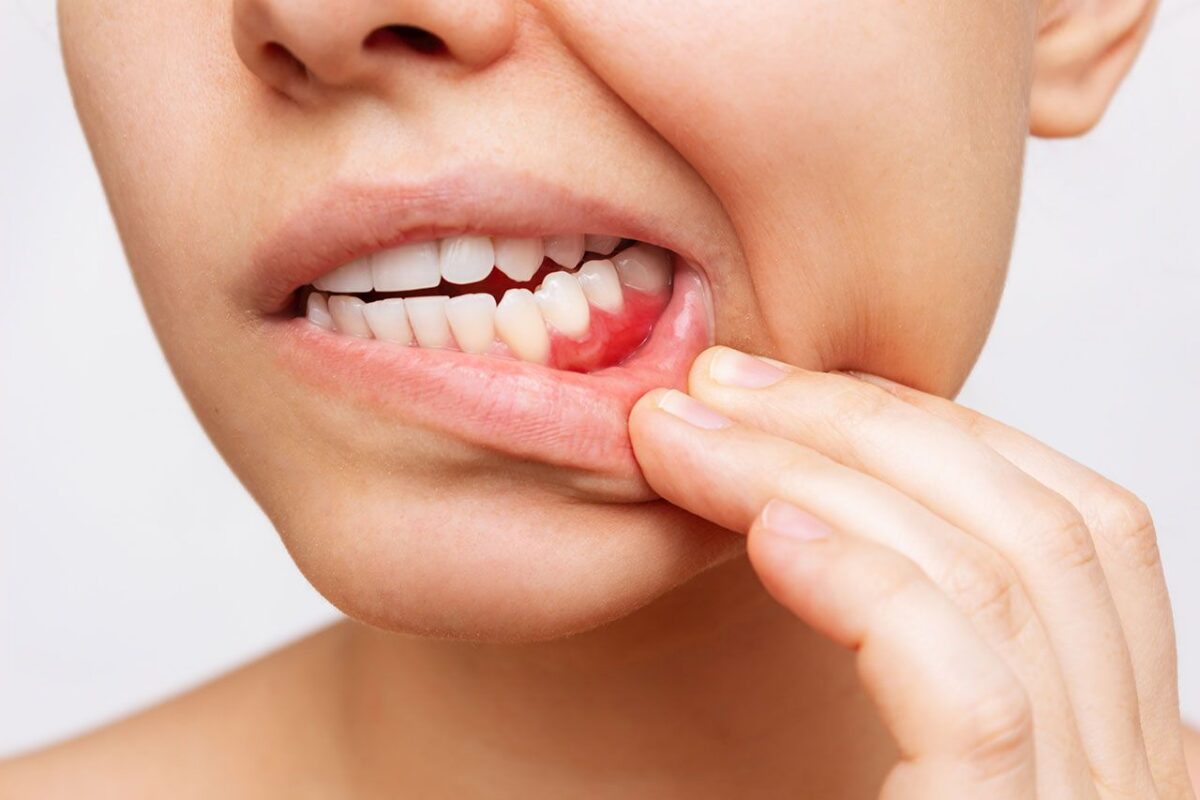


Gum Disease 101: Early Signs, Modern Treatments, and How to Protect Your Smile

Why Gum Health Deserves Top Billing


If you want a smile that lasts, your gums are the foundation. They cushion your teeth, protect bone, and keep harmful bacteria in check. Yet gum disease (periodontal disease) is both common and surprisingly quiet at first. Because it often starts without pain, you might miss the early warnings. However, with timely care and a few daily habits, you can protect your smile for the long term.

Gingivitis vs. Periodontitis: What’s the Difference?


Gingivitis


is the earliest stage of gum disease. Plaque—a sticky film of bacteria—irritates the gums and triggers inflammation. Therefore, you might notice redness, puffiness, or bleeding when you brush or floss. Fortunately, gingivitis is reversible with professional cleanings and consistent home care.


Periodontitis


is a more advanced stage. Plaque hardens into tartar (calculus) below the gumline and infection begins to damage supporting tissues and bone. As pockets deepen around the teeth, the risk of loosening or tooth loss increases. While periodontitis isn’t reversible in the strictest sense, it is manageable with periodontal treatment and maintenance.


Early Signs You Shouldn’t Ignore


  • Gums that bleed when brushing or flossing

  • Persistent bad breath or a sour taste

  • Gums that look puffy, red, or shiny

  • Receding gums that make teeth look longer

  • Teeth that feel slightly loose or a bite that seems “off”

  • Sensitivity from exposed root surfaces

Because none of these signs are dramatic at first, many people dismiss them. However, addressing them early keeps treatment conservative and costs lower.

What Causes Gum Disease?


Bacteria in dental plaque are the main driver, yet other factors raise risk:

  • Infrequent cleanings:


    Tartar forms and harbors bacteria.

  • Smoking or vaping:


    Blood flow to the gums decreases, hindering healing.

  • Diabetes:


    Changes in blood sugar can impact infection control.

  • Stress and sleep:


    These affect immune response and clenching habits.

  • Genetics:


    Some people are more susceptible despite good habits.

  • Crowded teeth or ill-fitting restorations:


    These create plaque traps.

How We Diagnose and Stage Gum Disease


A periodontal exam measures pocket depths around each tooth, evaluates bleeding, assesses recession, and reviews X-rays for bone levels. Meanwhile, we’ll also discuss your medical history and lifestyle factors to understand your risk profile. Clear staging helps us personalize care, whether you need preventive steps or focused periodontal therapy.

Modern, Comfortable Treatments


Prophylaxis (Routine Cleaning):


Ideal for healthy gums or minor gingivitis. It removes plaque and tartar above the gumline and polishes teeth for a smooth, clean finish.


Scaling and Root Planing (Deep Cleaning):


When pockets deepen, careful cleaning below the gumline removes tartar and bacteria. Root surfaces are smoothed to discourage new buildup and to help gums reattach.


Localized Antibiotics or Rinses:


In certain areas, antimicrobial therapy can reduce bacteria and support healing.


Periodontal Maintenance:


After deep cleaning, you’ll return every 3–4 months for targeted cleanings. This interval keeps bacteria in check while tissues heal.


Grafting and Regenerative Procedures:


If recession or bone loss is significant, soft-tissue grafts or regenerative materials may be recommended by a specialist to rebuild support.


Bite Adjustments or Night Guards:


Because clenching and grinding strain teeth and gums, correcting bite forces can protect the periodontium.


What Treatment Feels Like


Comfort matters. We use numbing gel, local anesthetic as needed, and gentle techniques. Consequently, most patients are pleasantly surprised at how manageable deep cleanings are. Afterward, mild tenderness is normal for a day or two. A soft brush, warm saltwater rinses, and over-the-counter pain relief typically handle it.

Daily Habits That Make the Biggest Difference


  • Brush Twice Daily:


    Angle bristles toward the gumline and move in short, gentle strokes.

  • Floss or Interdental Brushes:


    Clean where a brush can’t reach. For tight contacts, floss may be best; for wider spaces, interdental brushes are efficient.

  • Fluoride Toothpaste:


    It strengthens enamel and supports overall oral health.

  • Antimicrobial Rinse (If Recommended):


    Use exactly as directed to avoid staining.

  • Quit Smoking/Vaping:


    Healing improves rapidly after cessation.

  • Balance Your Diet:


    Choose proteins, vegetables, fruits, and dairy; limit frequent sugary or acidic snacks.

  • Keep Regular Maintenance Visits:


    Professional care is the safety net that stops small setbacks from becoming major issues.

Benefits Section


Healthy gums reduce the risk of tooth loss and protect the bone that anchors teeth. In addition, well-managed periodontal health makes routine cleanings quicker, helps breath stay fresher, and supports confident chewing and speaking. Many patients also find that a healthy smile encourages better overall wellness habits—because what gets cared for gets valued.

FAQs Our Annapolis Patients Ask


Will bleeding gums stop once I floss more?


Often, yes. Bleeding usually indicates inflammation; therefore, daily flossing and a professional cleaning should reduce it within 1–2 weeks.

Can gum disease affect the rest of my body?


While we avoid sweeping claims, chronic inflammation anywhere stresses the body. Keeping your mouth healthy is one practical way to lower that burden.

Do electric brushes help?


Absolutely. Built-in timers help you reach a true two minutes, and oscillating heads can be more effective for some patients.

Your Next Step


If you’ve noticed bleeding, tenderness, or gum recession, early attention makes all the difference.


Call Aria Dental of Annapolis at (410) 280-5370 to Book an Appointment in Annapolis, MD.


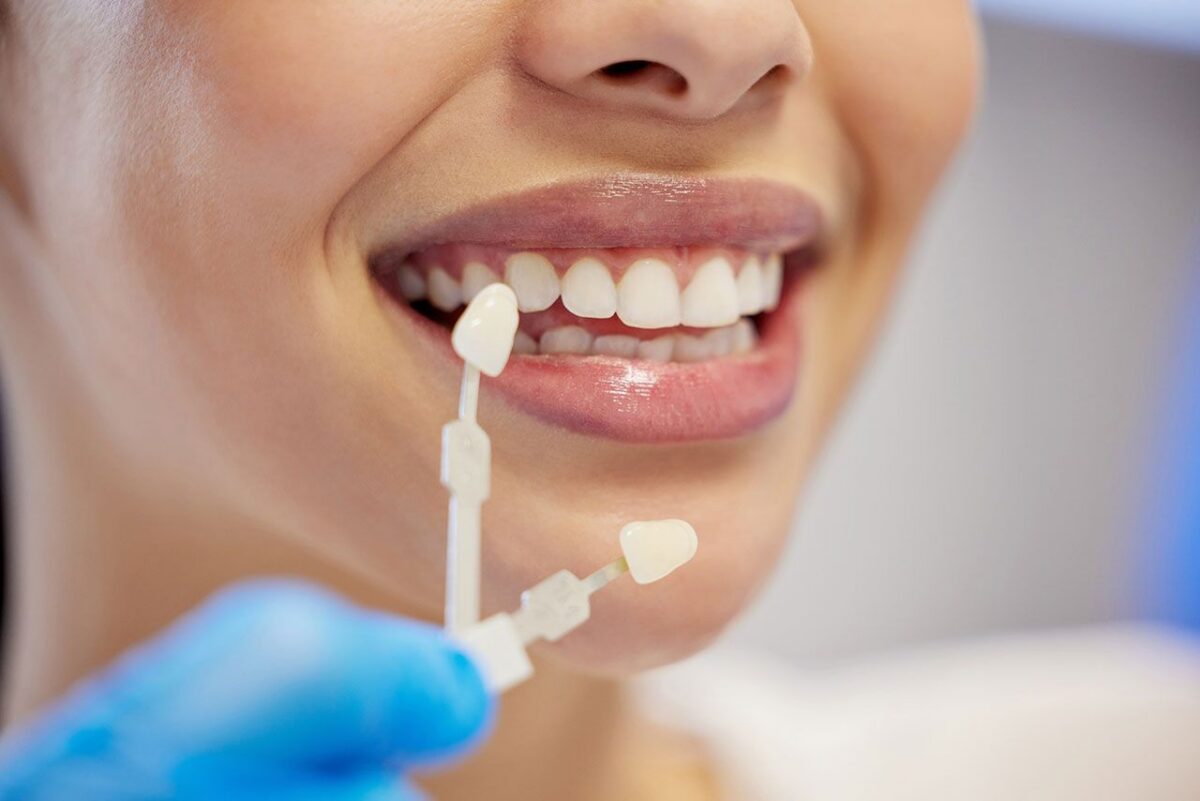
Porcelain Veneers in Annapolis: Candidacy, Process, and Care

A Subtle Way To Upgrade Your Smile


If chips, edge wear, gaps, or deep stains hold your smile back, porcelain veneers can create a natural-looking refresh. These thin, custom shells bond to the front of teeth to refine shape, color, and symmetry—while keeping most of your natural enamel intact.

Are You A Good Candidate?


You may be a strong candidate if you have healthy gums, good enamel thickness, and specific cosmetic goals—such as closing small gaps or lengthening worn edges. If you grind your teeth, you may still be a candidate with a protective night guard. However, if decay or gum disease is present, those issues are treated first for long-term success.

The Veneer Process, Step By Step


  1. Smile Design:


    Photos and shade analysis clarify your goals.


  2. Minimal Preparation:


    A whisper-thin layer of enamel is shaped to make room for veneers.


  3. Impressions or Scans:


    Models guide the lab in crafting your custom ceramics.


  4. Temporaries:


    You’ll preview shape and color in everyday light.


  5. Final Placement:


    After try-in and adjustments, veneers are bonded and polished.


How Many Teeth Should Get Veneers?


That depends on your smile line and goals. Some patients choose a single veneer to perfect one tooth; others select 4–10 in the aesthetic zone for a balanced, symmetrical look. Your dentist will help plan a number that fits your facial features and budget.

Caring For Veneers


Brush and floss as usual, and visit for routine cleanings. Although porcelain is resistant to stains, coffee and red wine can tint the bonding edges over years; periodic professional polishing keeps margins crisp. Additionally, wear a night guard if you clench to protect your investment.

Veneers vs. Whitening vs. Bonding


  • Whitening:


    Great for overall brightness but won’t change shape or close gaps.


  • Bonding:


    Quick and affordable for small chips; may stain or wear sooner.


  • Veneers:


    Durable, color-stable, and shape-refining for a comprehensive upgrade.


Benefits:


Veneers blend strength with aesthetics, reflecting light like natural enamel while masking discoloration and minor alignment issues. Patients often report increased confidence, easier photo days, and renewed motivation for great home care—small changes that ripple into everyday life.

Your Next Step


Considering veneers but not sure where to start? A short consultation can map your options, timeline, and care plan—without pressure.


Call Aria Dental of Annapolis at (410) 280-5370 to Schedule a Consultation in Annapolis, MD.
Root Canal Therapy in Annapolis: Myths, Facts, and a Step-By-Step Timeline

The Reputation vs. The Reality


“Root canal” might sound intimidating; however, modern endodontic care is focused on comfort and saving your natural tooth. With today’s anesthetics and gentle techniques, most patients describe the procedure as comparable to getting a filling—just longer.

What A Root Canal Actually Does


Inside each tooth is soft tissue called the pulp, which can become inflamed or infected from deep decay, cracks, or trauma. Root canal therapy removes the inflamed tissue, disinfects the canals, and seals the space to prevent reinfection. Because the source of pain is removed, relief is often rapid.

Myths—Busted


  • “Root canals are painful.”


    Treatment is designed to relieve pain, not cause it. Local anesthesia and modern instruments keep you comfortable.


  • “Extraction is better.”


    While removing a tooth is sometimes necessary, saving your natural tooth preserves bite balance and chewing power.


  • “I’ll need lots of visits.”


    Many cases are completed in one visit; complex anatomy may require two.


  • “The tooth will be weak.”


    After therapy, a crown is commonly recommended to protect the tooth from fracture and restore full function.


Step-By-Step Timeline


  1. Diagnosis & Imaging:


    A focused exam and X-rays confirm the need for treatment.


  2. Comfort & Isolation:


    Numbing gel, local anesthetic, and a small “raincoat” keep the area dry and comfortable.


  3. Access & Cleaning:


    A tiny opening allows gentle instruments to clean the canals.


  4. Disinfection & Sealing:


    The canals are shaped, rinsed, and filled with a biocompatible material.


  5. Temporary & Follow-Up:


    A temporary filling or build-up is placed; then a crown appointment follows.


  6. Final Crown:


    A custom crown restores strength and seals the tooth from future fracture.


Aftercare & Expectations


Mild soreness is normal for a day or two and responds well to over-the-counter medication. Chew cautiously on the treated tooth until the crown is placed. Because long-term success depends on a well-sealed crown, don’t delay that step.

Benefits Section


Root canal therapy removes infection, relieves pain, and saves natural teeth—helping you avoid shifting, super-eruption of opposing teeth, and more complex tooth replacement. Additionally, preserving the tooth supports efficient chewing and protects jawbone stimulation.

Prevention: Fewer Root Canals In The Future


  • Treat small cavities early.

  • Wear a night guard if you grind.

  • Address cracks or large failing fillings promptly.

  • Maintain regular hygiene visits so problems are caught when they’re simple.

Your Comfort Comes First


If tooth pain is interrupting your day, quick evaluation matters.


Call Aria Dental of Annapolis at (410) 280-5370 to Book an Appointment in Annapolis, MD.

In-Office vs. Take-Home Teeth Whitening: What Works Best in Annapolis

Stains Happen—Good News: So Does Whitening


Coffee on Main Street, Maryland crab seasoning, and the march of time can all dim a bright smile. Fortunately, professional whitening can safely lift stains and renew confidence. However, which option fits you best: fast


in-office


whitening or flexible


take-home


trays?


In-Office Whitening At A Glance


This is the “I have an event coming up” choice. Your dentist isolates the gums, applies high-strength whitening gel, and monitors your comfort. Because the process is controlled, you can jump several shades in a single visit. Sensitivity sometimes follows, but it usually fades within 24–48 hours.

Take-Home Whitening At A Glance


Custom trays and a professional gel let you whiten gradually on your schedule. You’ll typically wear trays daily for 10–14 days, then touch up before big moments. Because the gel is lower concentration than in-office, sensitivity is often milder.

Which Lifts Stains Better?


Both use professional-grade peroxide to oxidize stain molecules. In-office delivers speed; take-home delivers flexibility and easy maintenance. Many patients actually do both: a jump-start in the office, then periodic tray touch-ups to maintain the result.

Safety First: Why Professional Beats Over-The-Counter


Store options can brighten slightly; however, they lack custom trays, professional oversight, and higher-strength gels. Ill-fitting trays can leak gel onto gums, causing irritation. With a dentist’s guidance, you’ll use the right strength for your enamel and sensitivity history.

Pre-Whitening Checkup Matters


Cavities, cracked enamel, and exposed roots can trigger zingers during whitening. A quick exam protects you from surprises and ensures even results. Additionally, existing fillings, crowns, and veneers don’t change color; planning for that avoids mismatches.

Benefits Section


Professional whitening is safe, effective, and customizable. Because treatment is supervised, your dentist can tailor gel strength, wear time, and desensitizers. The result is predictable brightness without compromising tooth structure—no drilling, no injections, just a cleaner, lighter shade.

Real-World Tips For Annapolis Patients


  • Coffee Strategy:


    Drink through a lid and rinse afterward.


  • Touch-Up Timing:


    Plan a quick tray session before photos, interviews, or celebrations.


  • Sensitivity Relief:


    Use a sensitivity toothpaste two weeks before whitening and continue during treatment.


  • Shade Goals:


    Natural-looking white beats “glow-stick” bright; your dentist will help you choose a realistic target.


Your Best Option


If you want dramatic speed, choose in-office. If you prefer control and maintenance, choose take-home trays. If you want both—start in the office, then maintain at home. Either way, you’ll smile brighter.

Brighten With Confidence


Curious which route fits your timeline and teeth?


Call Aria Dental of Annapolis at (410) 280-5370 to Schedule a Consultation in Annapolis, MD.

Preventive Dentistry for Busy Annapolis Professionals: Small Habits, Big Wins

Your Schedule Is Full—So Keep Dental Care Simple


Between commutes, deadlines, and family time, it’s easy to let dental visits slide. However, small preventive steps compound quickly, saving you time and money down the road. With a streamlined plan—shorter visits, smart home care, and strategic timing—you can keep your smile healthy without juggling chaos.

The 3–2–1 Routine


  • 3:


    Brush along the gumline three zones at a time—outside, inside, and chewing surfaces—to avoid “rushing stripes.”


  • 2:


    Brush for two minutes, twice daily; set a phone timer or use an electric brush with a built-in pacer.


  • 1:


    Floss once daily. If flossing is a hurdle, try interdental brushes or a water flosser for a quicker rhythm.


Maximize Your Checkups


Because preventive cleanings are typically twice a year, schedule them near slower work periods or pair them with other errands in Annapolis. Meanwhile, add your appointments to a shared calendar. If your gums bleed or teeth feel sensitive between visits, book sooner; early attention keeps problems small.

Food Choices That Work At The Office


  • Smile-Smart Snacks:


    Cheese, yogurt, nuts, and crisp vegetables help neutralize acids and stimulate saliva.


  • Drink Strategy:


    Keep water at your desk. Sip coffee during shorter windows rather than all morning to reduce acid exposure.


  • Sugar Timing:


    If you enjoy sweets, have them with meals rather than grazing throughout the day.


Protect Your Teeth From Night Grinding


Stress can trigger clenching and grinding (bruxism). If you wake with sore jaw muscles or notice flat edges on teeth, ask about a custom night guard. Although over-the-counter guards exist, a dentist-made guard fits securely, protects enamel, and won’t throw off your bite.

Fluoride & Sealants (Yes, For Adults Too)


Fluoride strengthens enamel by making it more resistant to acid; moreover, in-office applications take only minutes. For patients with deep grooves, clear protective sealants can reduce decay risk on molars—even for adults who are cavity-prone.

Keep Orthodontic Results Stable


If you’ve had braces or clear aligners, wear retainers as directed. Because teeth naturally try to shift over time, retention is the quiet engine that keeps your straightened smile aligned.

Benefits Section


Preventive dentistry reduces the chance of cavities and gum disease, which are among the most common chronic conditions. Early detection of issues such as cracks or leaking fillings allows conservative fixes rather than larger, costlier treatments. In addition, maintaining oral health supports whole-body wellness, including comfortable chewing, clear speech, and social confidence.

A Minimalist Toolkit


  • Electric toothbrush with a two-minute timer

  • Soft bristles (never hard) to protect gums

  • Fluoride toothpaste

  • Interdental brushes or water flosser

  • Reusable water bottle to keep you sipping

Book On Your Terms


Prefer mornings before work or late afternoons? Ask for appointment windows that match your week. Many patients find that pairing hygiene visits with routine errands around West Street makes preventive care feel effortless.

Make Prevention Work For You


Ready to save time and keep your smile strong?


Call Aria Dental of Annapolis at (410) 280-5370 to Book an Appointment in Annapolis, MD.

Dental Implants vs. Bridges: How to Choose the Best Tooth Replacement

Missing One Tooth—Two Strong Options


When a single tooth goes missing, function and confidence can take a hit. Fortunately, modern dentistry offers two proven solutions: a


dental implant


or a


fixed dental bridge


. Both restore your ability to chew, speak, and smile; however, they differ in how they’re supported, how they impact neighboring teeth, and how they age over time.

How A Dental Implant Works


An implant is a small, biocompatible post placed in the jawbone to replace the tooth root. After healing, a custom crown attaches to the implant, recreating a natural look and feel. Because implants are anchored in bone, they don’t rely on the neighboring teeth for support.

How A Dental Bridge Works


A bridge replaces the missing tooth by crowning the two adjacent teeth and suspending a “pontic” between them. It’s a time-tested option, especially when the anchor teeth already need crowns. However, bridges require removing some enamel from the supporting teeth.

Head-To-Head Comparison


  • Tooth Preservation:


    Implants don’t touch nearby teeth; bridges require reshaping.


  • Bone Health:


    Chewing on an implant stimulates the jawbone; without a root or implant, bone may thin over time beneath a pontic.


  • Timeline:


    A bridge can be completed in weeks; implants often require several months for integration before the final crown.


  • Hygiene:


    Implants allow flossing like a natural tooth; bridges need threaders or special floss under the pontic.


  • Longevity:


    Both can last many years with care. Implants often offer the longest service life because they are independent of other teeth.


When A Bridge Makes Sense


If the neighboring teeth are cracked, heavily filled, or already need crowns, a bridge can solve multiple problems at once. Additionally, if medical factors or bone volume limit implant placement, a bridge provides a predictable path to a complete smile.

When An Implant Shines


If adjacent teeth are pristine and you want to avoid reshaping them, an implant is attractive. For patients seeking the most “tooth-like” feel, implants often win. With today’s imaging and planning technology, placement is precise and comfortable.

What About Cost?


Upfront, a bridge may cost less and finish faster. However, if a supporting tooth later needs root canal therapy or new crowns, lifetime costs can rise. Implants have higher initial fees but typically lower maintenance on neighboring teeth. Because benefits vary, your dentist will review personalized estimates and flexible payment options.

Benefits Section


Replacing missing teeth supports clear speech, comfortable chewing, and balanced bite forces. Furthermore, replacing the tooth can help prevent drifting and over-eruption of nearby teeth, which otherwise may create new bite issues or food traps. For many patients, restoring a complete smile also reduces self-consciousness and encourages consistent oral care.

How We Help You Decide


A thorough exam, 3D imaging when appropriate, and a risk-benefit conversation will clarify the best fit for your mouth, timeline, and budget. You’ll leave with a clear plan—no pressure, no jargon.

Take The Next Step


Want a side-by-side recommendation for


your


smile?


Call Aria Dental of Annapolis at (410) 280-5370 to Schedule a Consultation in Annapolis, MD.

Invisalign in Annapolis: A Week-By-Week Guide to Straighter Teeth

Why So Many Adults Choose Clear Aligners


If you’ve wondered whether you can straighten your teeth discreetly while keeping your routine intact, Invisalign® often checks the boxes. The clear trays fit your lifestyle, yet they still apply precise, controlled forces to move teeth. Because they’re removable, you can eat normally and brush thoroughly; meanwhile, most people won’t notice you’re in treatment.

How Invisalign Works (In Simple Terms)


Instead of brackets and wires, Invisalign uses a series of custom trays. Each aligner is worn 20–22 hours per day and moves teeth a fraction of a millimeter. Then, after one to two weeks, you switch to the next tray. Because the movements are incremental, comfort tends to be better than with traditional adjustments. However, consistency is everything: the more faithfully you wear aligners, the more predictable your timeline.

Week-By-Week: What to Expect


Week 1–2: Getting Started


After a digital scan and photos, you’ll review a 3D preview of your new smile. Your first set of aligners may feel snug; minor pressure is normal. You might speak a little differently for a day or two; however, that fades as your tongue adapts. Use the provided case every time you take trays out to eat.

Week 3–4: Settling In


By now you’re swapping trays routinely. Tiny tooth-colored attachments may be placed to help certain movements. You’ll notice edges smoothing and crowding easing; meanwhile, your aligners should insert and remove more easily as teeth track.

Month 2–3: Refining Movements


Rotation and space closure become more obvious. You may receive elastics to guide your bite; although they’re small, they matter for finishing. Because aligners are removable, continue to floss daily and brush after meals; stain-prone foods can tint trays, so rinse them often.

Month 4–6: Mid-Course Check


Your dentist checks “tracking,” ensuring teeth are following the plan. If a few aren’t, “refinement” trays are ordered to recalibrate movements. This is common and helps deliver a better finish. At this stage many patients see clear cosmetic improvement, which is motivating.

Month 7–12: Finishing Touches


Spaces close, arches round out, and the bite balances. You’ll transition to longer intervals between visits. Because life gets busy, set calendar reminders; perfect wear time during the home stretch protects the result you’ve invested in.

Everyday Tips For Success


  • Wear Time Wins:


    Aim for 20–22 hours per day. Even small daily gaps compound into delays.


  • Switch Smart:


    Change trays at night so any initial pressure happens while you sleep.


  • Keep Them Clean:


    Brush aligners with water and a soft brush; avoid hot water, which can warp plastic.


  • Travel Ready:


    Store extra trays and a travel toothbrush in your bag so you never miss a beat.


How Long Does Invisalign Take?


Most adult cases finish in 6–12 months; however, complexity, compliance, and biology vary. Mild spacing and crowding correct faster; bite changes can take longer. Because no two smiles are the same, your doctor will give a personalized timeline after your scan.

Cost, Financing, and Value


Clear aligners often cost similarly to limited orthodontic braces. Insurance may contribute, and flexible financing can spread payments out. While cost matters, also consider value: easier hygiene, fewer food restrictions, and a polished final result.

Benefits Section


Research consistently shows that aligned teeth are easier to keep clean, which may reduce the risk of decay and gum inflammation. Moreover, a balanced bite can distribute chewing forces more evenly, helping protect enamel and restorations. Finally, because aligners are removable, you can maintain normal brushing and flossing habits throughout treatment.

Ready To Start?


If you’re considering Invisalign in Annapolis, a no-pressure evaluation can map your smile and timeline.


Call Aria Dental of Annapolis at (410) 280-5370 in Annapolis, MD to Schedule a Consultation.

Cosmetic Dentistry — Subtle Changes, Big Confidence

You know how a fresh coat of paint makes a room feel new? Cosmetic dentistry does that for your smile—only it’s crafted to look and feel natural up close, on camera, and in real life. Whether you want a brighter shade, smoother edges, or a complete redesign, cosmetic dentistry gives you flexible tools to match your taste and timeline.

What Falls Under Cosmetic Dentistry?


Cosmetic dentistry includes treatments that enhance appearance while protecting oral health. Common options include professional whitening, dental bonding, porcelain veneers, gum contouring, tooth reshaping, Invisalign® or clear aligners, and replacement of old metal fillings with tooth-colored materials. Many plans blend cosmetic and restorative care—think crowns or dental bridges—so your smile looks amazing and works comfortably.

A Consult That Feels Like Collaboration


At Aria Dental of Annapolis, your consultation centers on goals and lifestyle. Photos and digital scans provide a clear starting point. You’ll talk about what you want to highlight and what you’d like to soften—brightness, symmetry, edges, and alignment. From there, you’ll see options at different levels: quick refresh, focused upgrades, or a full smile makeover. Most plans can be phased to fit your schedule.

The Most Requested Cosmetic Dentistry Treatments


  • Teeth Whitening


    – Professional gels lift deep stains for a brighter, more even baseline shade.


  • Dental Bonding


    – A sculptable resin repairs chips and small gaps and refines edges in one visit.


  • Porcelain Veneers


    – Custom shells that change color and shape with gorgeous translucency and texture.


  • Clear Aligners


    – Move teeth into better positions with a nearly invisible approach.


  • Gum Contouring


    – Balances an uneven gumline or reduces a “gummy” look.


  • Tooth Contouring


    – Smooths tiny irregularities so the overall smile looks cleaner.


  • Crowns and Dental Bridges


    – When a tooth needs strength or a space needs filling, modern ceramics make restorative work look seamless.


The Order Matters (A Smart Sequence)


Cosmetic dentistry is all about sequence for the best outcome:

  1. Health First


    – Treat cavities or gum inflammation so your foundation is sound.


  2. Whiten


    – Set the baseline color before you match veneers or bonding.


  3. Straighten or Reshape


    – Aligners, bonding, and contouring to refine positions and edges.


  4. Final Restorations


    – Veneers or crowns once the color and positions are settled.


  5. Polish and Protect


    – Final gloss, bite check, and a comfortable nightguard if you clench.


Will My Smile Look “Done”?


It shouldn’t—unless that’s your request. A natural look comes from respecting tooth proportions, surface texture, and color layering that mimics enamel. The shade guide isn’t a straight climb to the brightest tile; it’s about selecting a believable shade that complements skin tone and eyes. Sometimes one shade darker actually looks more natural in everyday light.

Cosmetic Dentistry for Different Life Moments


  • Career Steps


    – Polished, even edges and a brighter shade look crisp in photos and on Zoom.


  • Weddings & Reunions


    – Quick wins like whitening and bonding deliver fast, photogenic changes.


  • After Orthodontics


    – Tiny chips and uneven edges? A touch of bonding and contouring completes the look.


  • Smile Tune-Ups


    – Replace old mismatched fillings so everything reads as one uniform color.


Comfort, Timing, and Budget


Cosmetic dentistry is adaptable. Whitening and bonding are budget-friendly with little to no downtime. Veneers involve more steps but deliver dramatic, highly durable changes. Clear aligners spread treatment across months but are gentle and discreet. You’ll see timelines and costs in plain language so you can choose what fits.

Benefits of Cosmetic Dentistry (Supported by Professional Sources)


  • Conservative enhancement


    – Many cosmetic options preserve enamel and follow conservative dentistry principles favored in professional guidance.


  • Durable materials


    – Modern ceramics and resin systems are engineered for strength, polish, and color stability described in cosmetic literature.


  • Functional harmony


    – Good cosmetic planning respects the bite; that alignment with function is emphasized across restorative and prosthodontic resources.


  • Confidence and communication


    – Studies frequently note that comfortable, confident smiles can influence first impressions and social ease—an important, human benefit of cosmetic care.


How Long Do Results Last?


  • Whitening


    results vary with habits; touch-ups keep things bright.


  • Bonding


    commonly lasts several years and can be refreshed.


  • Veneers and Crowns


    often last many years with proper care.


  • Aligner Results


    are maintained with clear retainers at night.


Routine cleanings, non-abrasive toothpaste, and a nightguard (for clenchers) extend the life of your cosmetic work.

Shade, Shape, and Proportion—A Quick Primer


Natural smiles follow simple proportions: the two front teeth set the tone for length and brightness, while the canines add gentle curves at the corners. Tiny texture on the surface keeps teeth from looking flat under bright light. During cosmetic dentistry planning, these details are measured and adjusted so everything reads as one, cohesive smile—at rest, in speech, and in laughter.

Keeping Your Results Fresh


Coffee fan? Rinse with water after your cup. Love berries and red wine? A quick brush after dinner helps. Semiannual cleanings polish away surface stains and keep bonding and ceramics glossy. If you’re on aligner retainers, bring them to cleanings so they get a refresh too.

Who’s a Good Candidate for Cosmetic Dentistry?


Healthy gums and realistic goals are your golden ticket. If you have tooth decay or inflammation, that gets handled first—it’s the foundation. People who clench can still pursue cosmetic dentistry; they just need protection like a nightguard. If you’re camera-shy or always press your lips together in photos, you might be surprised how a few focused changes—whitening plus bonding, for example—can shift that habit.

Risks, Limits, and How We Manage Them


Any dental procedure has limits. Whitening can cause temporary sensitivity; spacing out sessions and using gentle gels keeps you comfortable. Bonding can chip if used to lengthen biting edges too far; that’s where veneers or aligners step in. Veneers require planning so that gum health, bite, and proportion line up. A good plan sets expectations, chooses the right materials, and protects the result so you enjoy it for years.

The Aria Dental of Annapolis Touch


Expect a listening-first approach, careful shade selection, and materials that look good in real life. You’ll see mock-ups and previews where helpful, and you’ll get a plan that moves at your pace. Every step balances appearance with comfort, so your teeth look great and feel natural when you talk and chew.

Start with a Conversation


Cosmetic dentistry isn’t about perfection. It’s about making your smile look like the best version of you—authentic, bright, and easy to share. If you’ve been thinking about small changes or a major refresh, there’s a path that fits your timeline and comfort level.


Curious what


cosmetic dentistry


could do for you? Call


Aria Dental of Annapolis at 410-280-5370


or drop by


1610 West St Ste 202, Annapolis, MD 21401


.


Book an appointment


or


schedule a consultation


to explore a personalized plan designed around your goals and your everyday life.


Dental Bridges — Filling the Space, Restoring the Balance

A missing tooth does more than leave a gap in your smile—it changes the way you chew, speak, and even how your other teeth sit in place. Dental bridges are a time-tested solution that “bridge” the empty space with a natural-looking replacement, restoring balance and function in a straightforward, predictable way. If you’re not ready for an implant or you’re looking for a stable alternative to a removable partial, a dental bridge may be the right fit.

What Is a Dental Bridge?


A dental bridge is a single piece that replaces a missing tooth (or teeth) by anchoring to the neighboring teeth. The anchors—called abutments—are crowned, and the replacement tooth in the middle is the pontic. Once cemented in place, the bridge feels fixed and secure, so you can chew and speak without worrying about something slipping around.

Types of Dental Bridges


  • Traditional Bridge


    – Uses crowns on the teeth adjacent to the gap with a pontic between them. This is the most common style and works well when the neighboring teeth are healthy and strong.


  • Cantilever Bridge


    – Anchors on one side only. It has a narrower set of indications and is used when there’s only a tooth on one side of the space.


  • Maryland (Resin-Bonded) Bridge


    – Uses a wing or framework bonded to the back of neighboring teeth with minimal tooth shaping. Often used for replacing a single front tooth in select cases.


  • Implant-Supported Bridge


    – Anchors to dental implants instead of natural teeth, helpful when several teeth are missing in a row.


When a Bridge Makes Sense


  • You want a fixed (non-removable) solution.

  • The neighboring teeth need crowns anyway due to large fillings or wear.

  • Bone or anatomical factors make implants complex, or you prefer to avoid surgery right now.

  • You want predictable timing—bridges can often be completed in a few weeks.

The Step-by-Step Process


  1. Assessment and Planning


    – X-rays and an exam evaluate the neighboring teeth, bite, and space. The team checks whether a traditional bridge or another type best meets your needs.


  2. Tooth Preparation


    – The abutment teeth are shaped for crowns. Impressions or digital scans capture precise measurements.


  3. Temporary Bridge


    – A well-fitted temporary protects your teeth and keeps your smile intact while the lab creates your final bridge.


  4. Final Placement


    – Your custom bridge is tried in, bite and contacts are adjusted, and then it’s cemented permanently for a secure, comfortable fit.


Materials and Aesthetics


Today’s bridges are crafted from lifelike ceramics, zirconia, or porcelain-fused-to-metal, depending on location, bite, and appearance goals. Front-tooth bridges focus on color, translucency, and contour to blend seamlessly; back-tooth bridges emphasize strength while still keeping a natural look. Shade selection and surface texture matter—the more they mimic real enamel, the more invisible the bridge becomes.

Dental Bridge vs. Dental Implant


Both replace missing teeth well.

  • Dental Bridge


    – Faster timeline, great when adjacent teeth need crowns, no surgery. It relies on neighboring teeth for support and requires shaping them for crowns.


  • Dental Implant


    – Preserves neighboring teeth and helps maintain bone over time. It involves a surgical step and a longer timeline but doesn’t connect to the teeth next door.


If you’re not sure which route to take, your dentist can map out both options with pros and cons for your mouth and lifestyle.

Care and Maintenance


  • Brush twice daily and floss once daily. A floss threader or small interdental brush slides under the pontic to keep the area clean.

  • Keep up with regular cleanings. Hygienists use special tools and polish to help your bridge last.

  • Avoid chewing ice and very hard candies—they’re rough on natural teeth and bridges alike.

  • If you grind your teeth, a nightguard protects the bridge and your enamel.

With good care, bridges often last many years. Small tune-ups—repolishing or occlusal adjustments—keep things comfortable over time.

Benefits of Dental Bridges (Reflecting Professional Guidance)


  • Restored chewing and speech


    – Replacing a missing tooth brings back even chewing and clearer speech, a core goal noted across restorative dentistry resources.


  • Prevents drifting


    – Filling the gap helps keep neighboring teeth from shifting or tilting, which supports long-term bite stability—frequently emphasized in prosthodontic planning.


  • Predictable timeline


    – Bridges are known for efficient turnaround and reliable results in appropriate cases, aligning with restorative treatment protocols.


  • Aesthetics and confidence


    – High-quality ceramics and precise shade matching produce natural results, routinely discussed in cosmetic prosthetics literature.


What If I Don’t Replace a Missing Tooth?


Teeth are team players. When one member is missing, the rest shift to fill the space. The opposing tooth can over-erupt, neighbors can tilt, and food tends to trap in the gap. Over time, that can lead to uneven wear and gum irritation. Replacing the tooth with a dental bridge restores the team dynamic—spacing, contact, and chewing efficiency.

Common Mistakes to Avoid


Don’t skip the threader; keeping the underside of the pontic clean protects the gums. Don’t chew pencils or ice; those habits are rough on all dental work. And don’t put off small bite adjustments if something feels high—tiny refinements make a big difference in comfort and longevity.

Who Isn’t a Good Candidate?


If the neighboring teeth are weak, have very small roots, or have active gum disease, a traditional dental bridge may not be the first choice. In those cases, your dentist might recommend strengthening the abutment teeth first, treating the gums, or considering an implant-supported bridge. The goal is simple: choose support that will last in your mouth, not just look good on day one.

Lifespan and Tune-Ups


Bridges don’t expire on a set date, but they do benefit from check-ins. If cement loosens years down the line, a bridge can often be cleaned and re-cemented. If your bite changes after orthodontics or a new crown elsewhere, small adjustments keep the load even. Think of it like rotating tires—minor maintenance prevents major problems.

The Aria Dental of Annapolis Approach


You’ll get a clear explanation of options, materials, and timing. The team prioritizes comfort at each step, from gentle anesthesia to smooth temp bridges. Bite checks are thorough—because a balanced bite is what makes a bridge feel truly natural day to day.

Put the Middle Back in the Picture


A finished dental bridge fills the space you see and the function you feel—restoring balance when you chew, talk, and smile. If you’re missing one or more teeth and want a fixed, natural-looking solution, a bridge could be your simplest path back to normal.


To learn whether a


dental bridge


is right for you, reach out to


Aria Dental of Annapolis


. Call


410-280-5370


or stop by


1610 West St Ste 202, Annapolis, MD 21401


.


Schedule a consultation


and get a personalized plan to restore your smile and your bite.